Brass Press Fittings vs Traditional Fittings – Which is Better?
Introduction
Fittings are an essential part of any plumbing system. They are used to connect pipes of different sizes and materials to form a complete pipeline. Traditionally, soldering and threading were the primary methods used to connect pipes and fittings. However, with the evolution of technology, new and more efficient ways of making these connections have been introduced. One of the most popular technologies in plumbing today is brass press fittings. This article aims to compare and contrast brass press fittings with traditional fittings and establish which of the two options is better.
Overview Of Brass Press Fittings
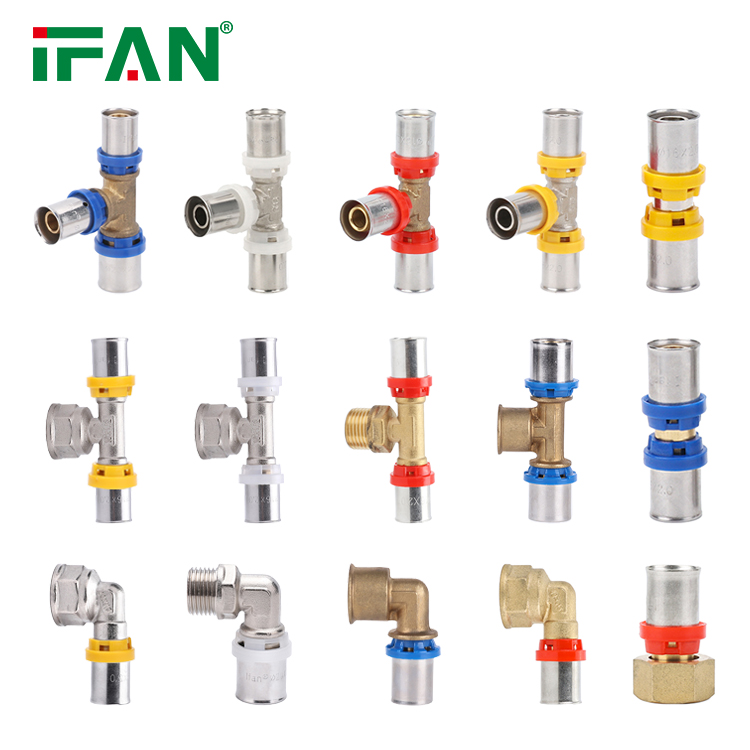
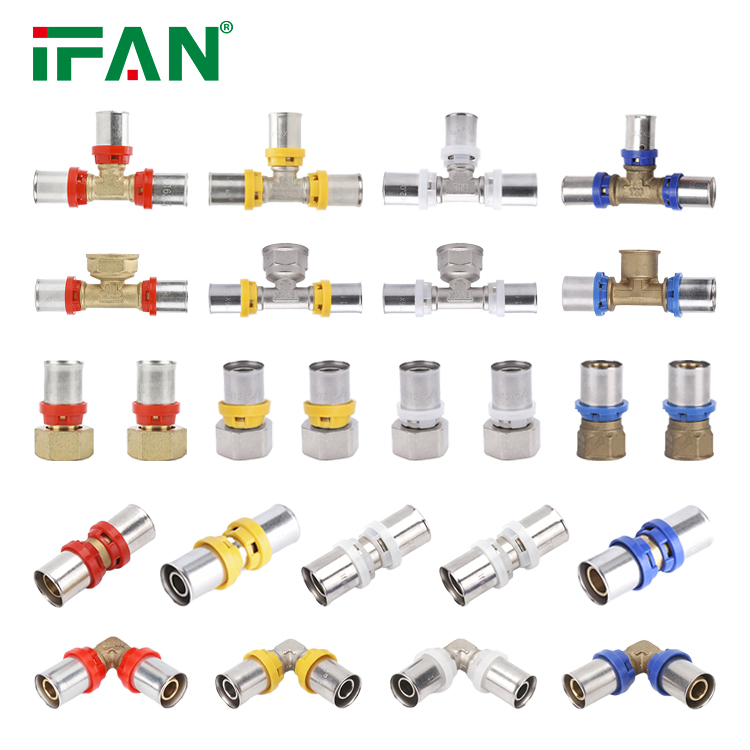
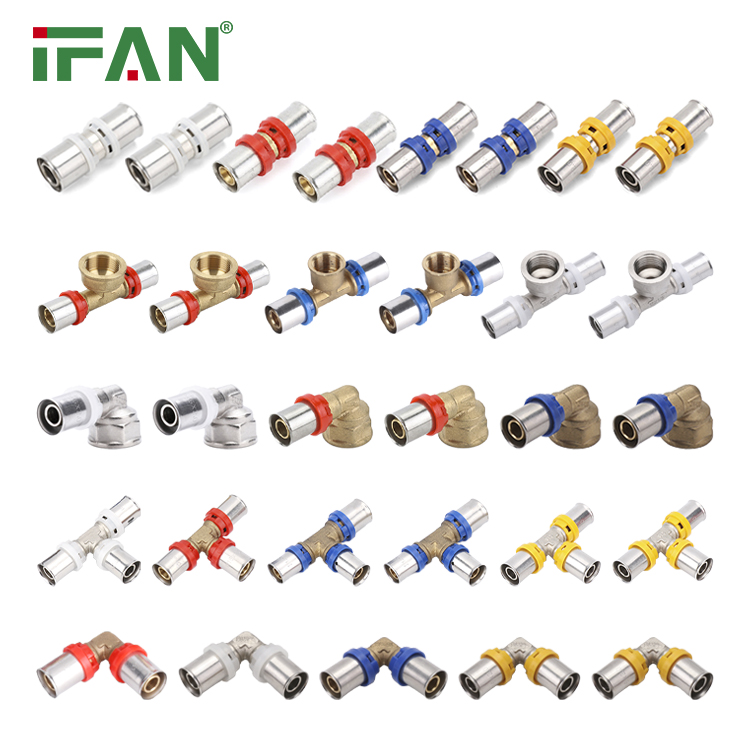
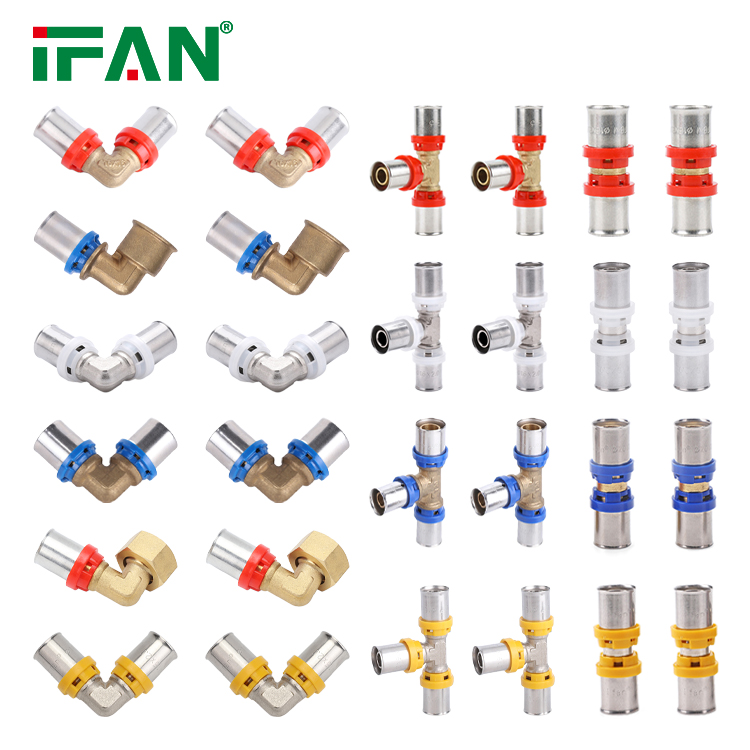
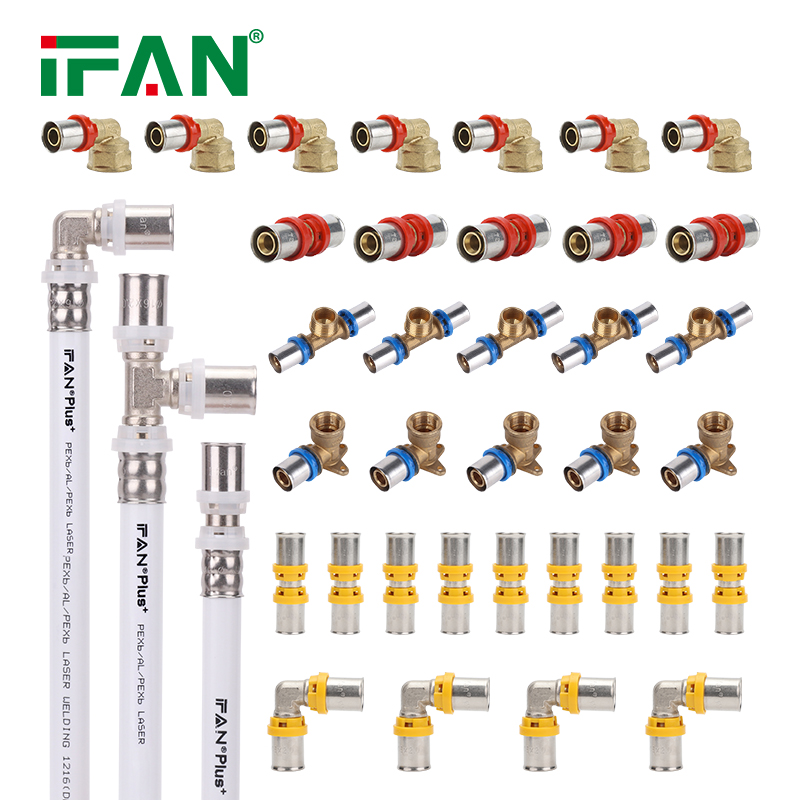
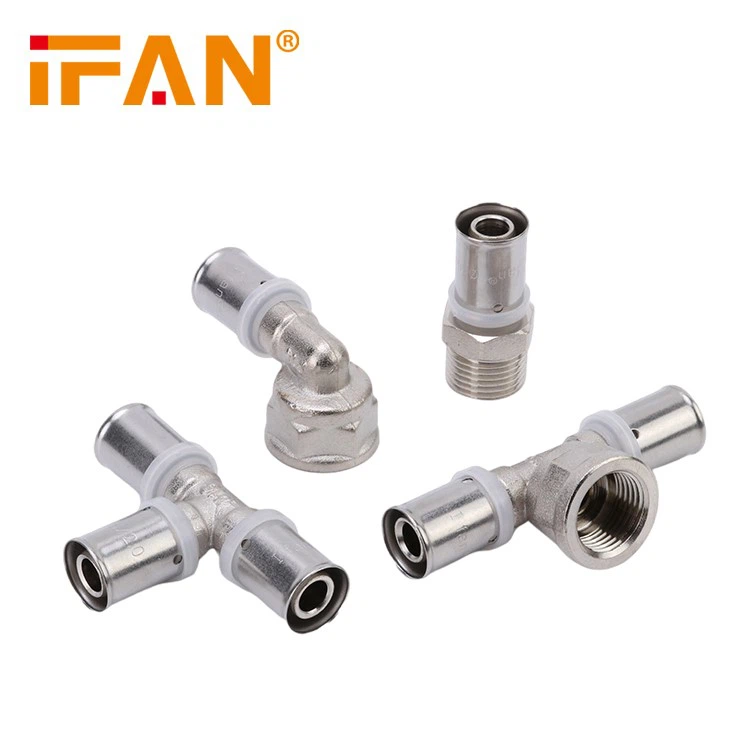
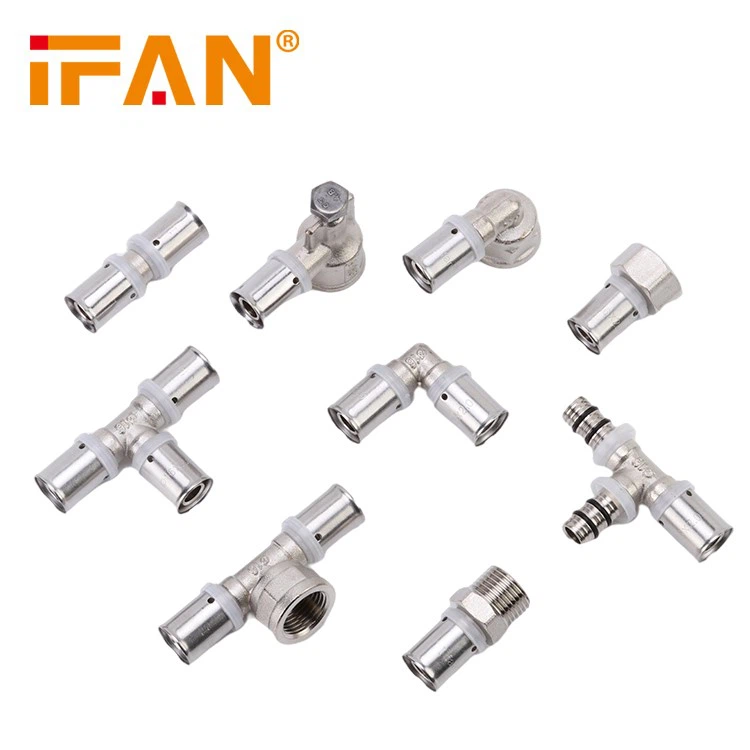
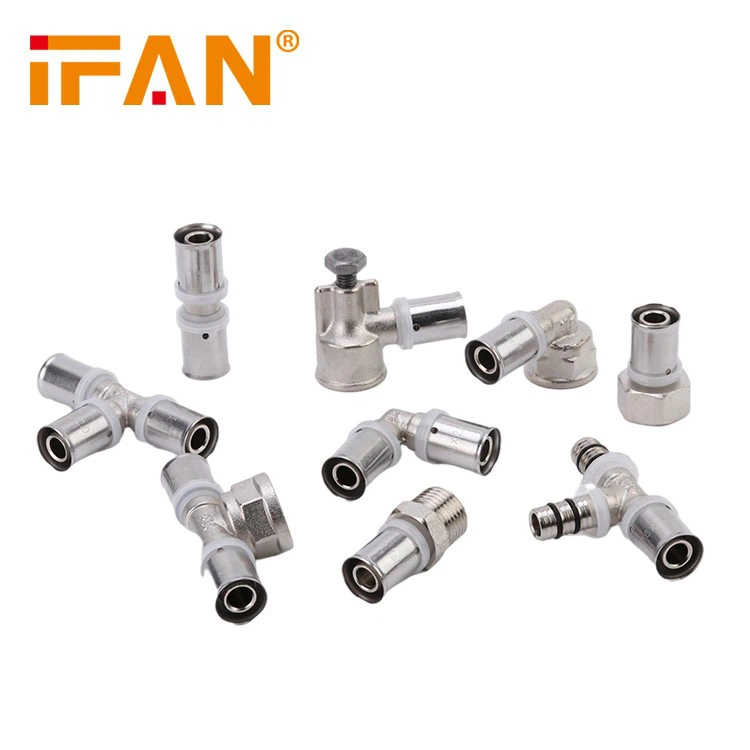
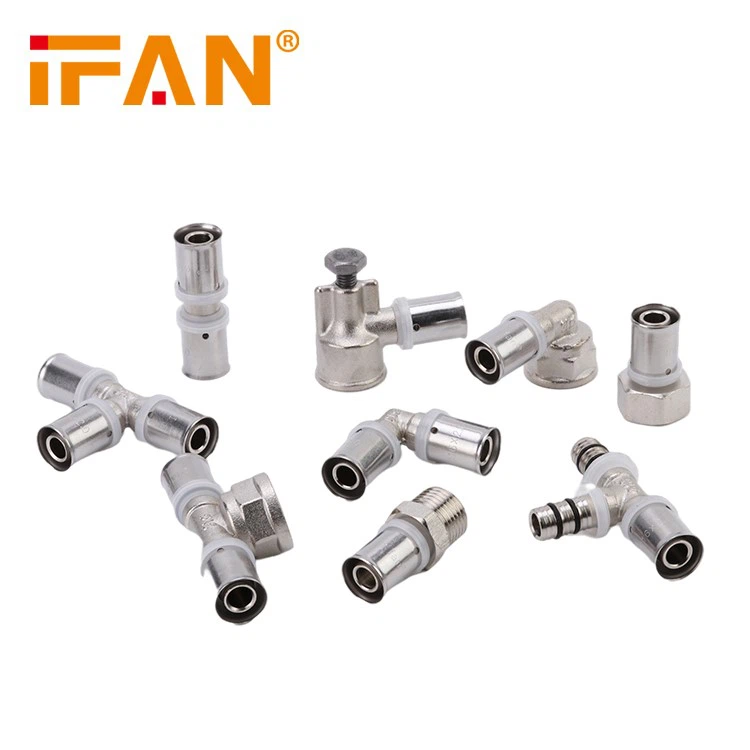
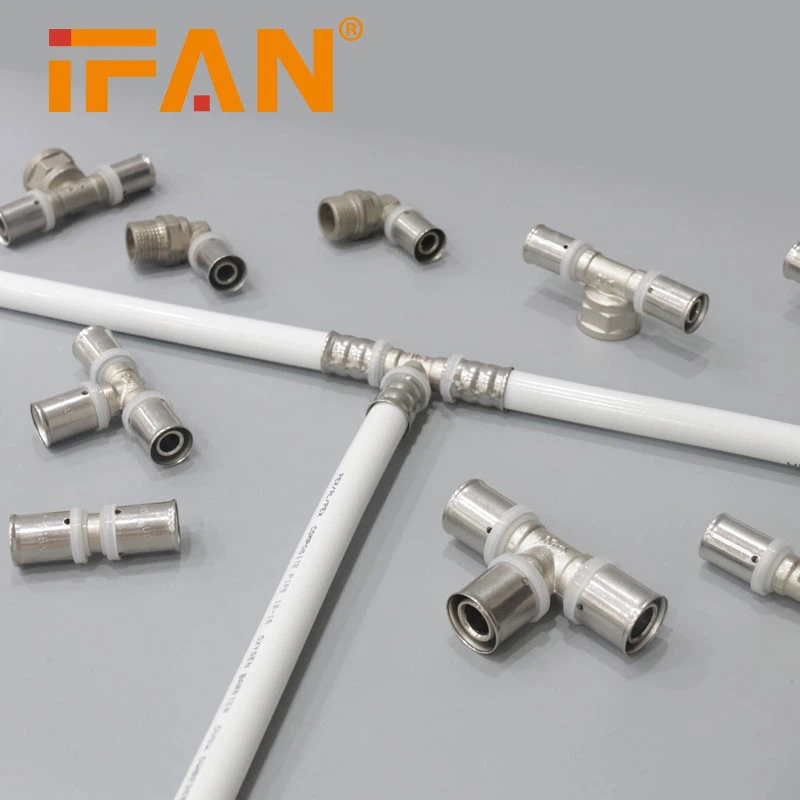
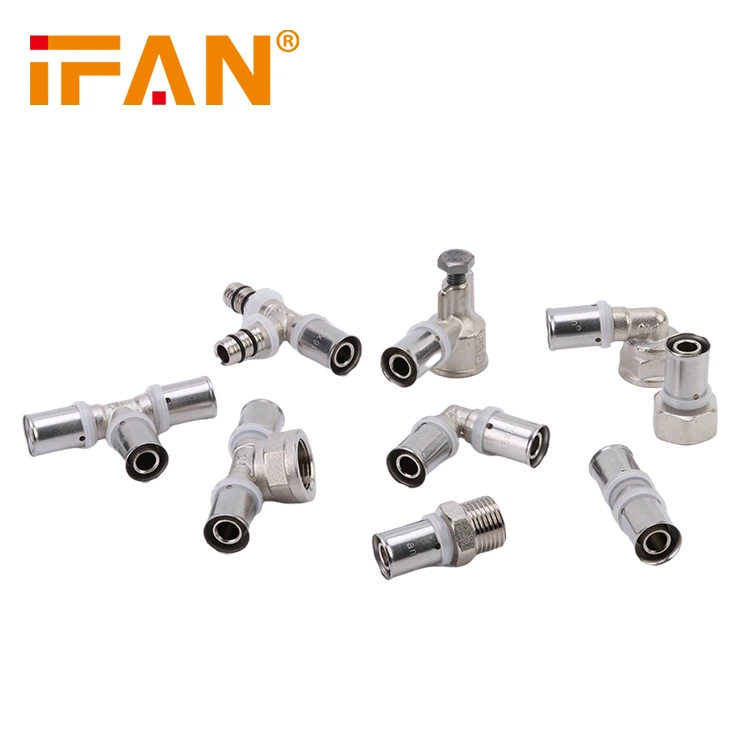
Brass press fittings are a relatively new technology in the plumbing industry. They are made up of a brass body and a stainless-steel sleeve that is used to hold the pipe in place. These fittings are installed using a press tool that applies pressure onto the stainless-steel sleeve, hence giving a permanent and secure connection.
Advantages Of Brass Press Fittings
1. Time Efficiency: Brass press fittings are installed using a press tool that only takes a few seconds to complete the connection. Unlike traditional fittings that require threading or soldering, brass press fittings save time and reduce labor costs.
2. Durability: The use of brass material in making the fitting body makes brass press fittings more durable and long-lasting. They are resistant to corrosion, which makes them suitable for use in various water and gas applications.
3. Leak-Free: The stainless-steel sleeve used in brass press fittings provides a secure grip on the pipe, making the connection leak-free. This feature eliminates the need for additional sealants or compounds, further reducing installation costs.
Overview Of Traditional Fittings
Traditional fittings include threaded and soldered connections. Threaded fittings are made by cutting threads on both the pipe ends and the fitting body, whereas soldered fittings are joined by melting a metal alloy that flows into the joint.
Advantages Of Traditional Fittings
1. Low Cost: Traditional fittings require no special tools or equipment to install and are, therefore, lower cost than brass press fittings.
2. Flexibility: Threaded and soldered fittings are suitable for various pipe sizes and have a high degree of flexibility in terms of installation angles.
3. Availability: Traditional fittings are widely available and can be found in almost any plumbing supply store or hardware shop.
Which Is Better?
Both brass press fittings and traditional fittings have their own unique advantages and drawbacks. However, brass press fittings are considered better due to their efficiency, durability, and leak-free connections. Even though they may have a higher initial installation cost than traditional fittings, brass press fittings offer significant long-term benefits that make them a better investment.
Conclusion
In conclusion, brass press fittings are a more efficient, durable, and leak-free option for connecting pipes in plumbing systems. While traditional fittings may be more accessible and cheaper, they lack the long-term benefits that brass press fittings offer. Plumbing professionals should consider the benefits of using brass press fittings to provide their clients with a high-quality and long-lasting plumbing system.