- What does term plumbing mean?
Plumbing refers to the system of pipes, fixtures, and other devices that are installed in buildings to provide clean water and remove waste water. This vital function is essential to modern civilization and without it, our everyday lives would be significantly impacted.
The word plumbing originates from the Latin word plumbum, which means lead. This is because the ancient Romans used lead pipes for their plumbing systems. However, lead pipes are no longer used due to health concerns.
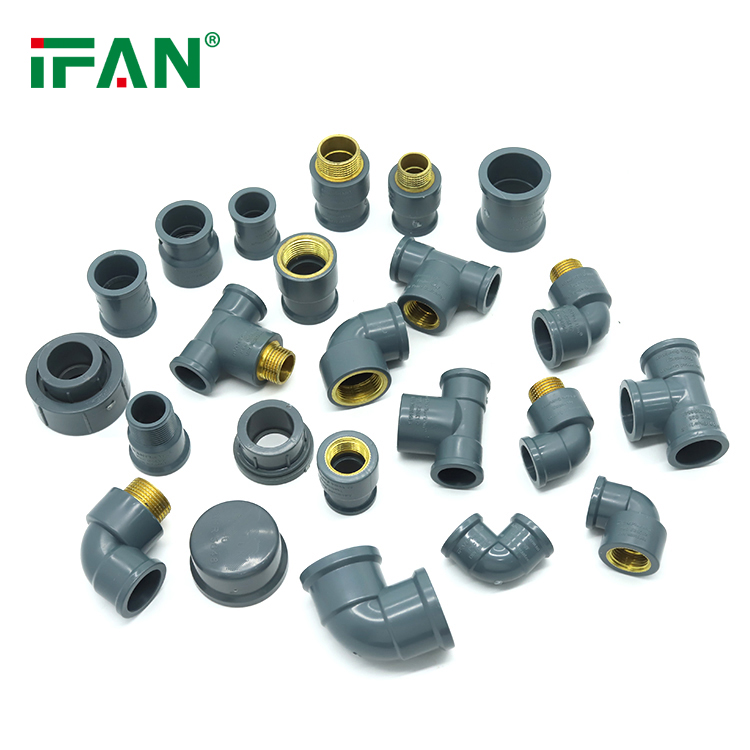
The modern plumbing system includes a network of pipes, valves, and fittings, which are designed to deliver potable water to households and businesses and remove waste water. Plumbing systems are typically divided into two main categories, freshwater systems and waste water systems.
Freshwater systems are designed to bring clean water into a building. They typically include a water supply line that connects to the main water supply or well and distributes the water throughout the building. The water supply line is connected to a water meter, which tracks the amount of water used by the building.
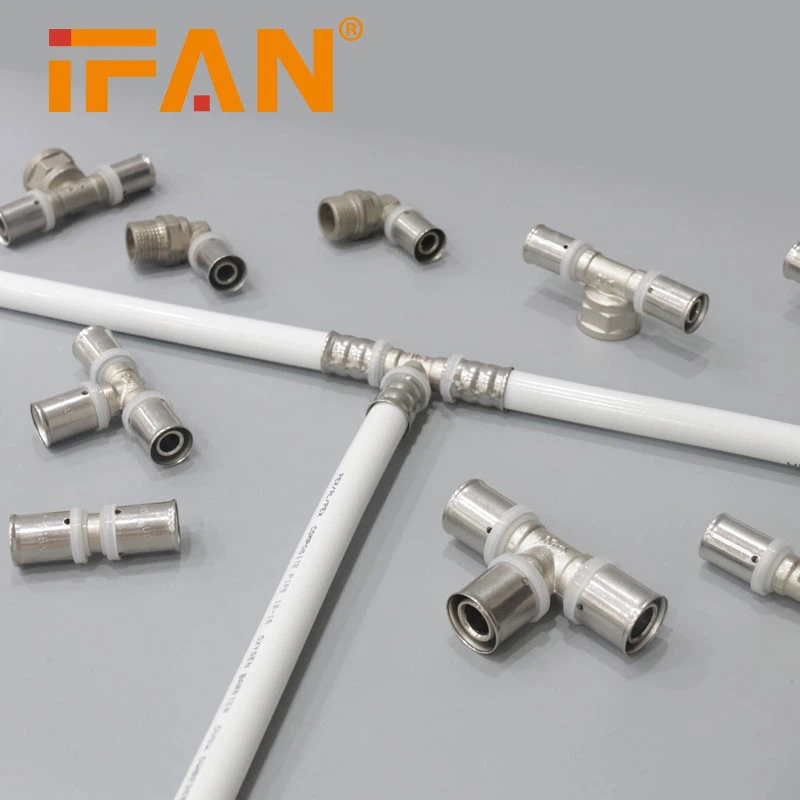
Inside the building, the freshwater system includes a network of pipes, valves, and fittings that distribute water to various fixtures such as sinks, toilets, and showers. These fixtures are connected to the freshwater system through supply lines that are controlled by shut-off valves.
Waste water systems, on the other hand, are designed to remove waste water from a building. These systems include drain lines and vent pipes that connect to a sewer or septic system. Drain lines connect to fixtures such as sinks and toilets, while vent pipes provide ventilation to prevent sewer gases from entering the building.
Plumbing systems also include devices such as pumps, pressure regulators, backflow preventers, and water heaters. Pumps are used to move water from one location to another, while pressure regulators regulate the pressure of the water in the pipes. Backflow preventers prevent contaminated water from flowing back into the freshwater system, and water heaters are used to heat water for domestic use.
Plumbing systems are a vital component of modern society because they provide clean water and remove waste water. Without plumbing systems, our daily lives would be significantly impacted. People would have to collect water from a nearby stream or well, and waste water would have to be disposed of manually, which could lead to health and environmental problems.
Plumbers are skilled tradespeople who install, repair, and maintain plumbing systems. They are trained to read blueprints and understand building codes and regulations. Plumbers use a variety of tools such as wrenches, pliers, and pipe cutters to install and repair plumbing systems.
Plumbing is a lucrative and stable career choice that offers many opportunities for growth and advancement. Plumbers are in high demand due to the critical role they play in maintaining plumbing systems. They can work for plumbing contractors, government agencies, or they can even start their own plumbing business.
Plumbing can also be a challenging and rewarding career that requires problem-solving skills and attention to detail. Plumbers must be able to think on their feet and quickly identify and resolve plumbing issues. They must also have excellent communication skills to interact with customers and explain plumbing issues in layman’s terms.
In conclusion, plumbing is the system of pipes, fixtures, and other devices that provide clean water and remove waste water from buildings. It is a vital component of modern society that helps us maintain a high quality of life. Plumbers are skilled tradespeople who install, repair, and maintain plumbing systems. They play a critical role in society by ensuring that our plumbing systems are functioning properly.
- What are the three types of plumbing?
Plumbing is the system of pipes, drains, fixtures, valves, and other apparatus required for the distribution of potable water, heating and cooling, and the removal of waste in a building. Good plumbing is often essential for the comfort and convenience of modern living, and is an essential component of buildings both large and small. There are three main types of plumbing systems, each designed to serve a different need and with their own advantages and disadvantages. In this article, we will explore the three main types of plumbing and what makes them unique.
The first plumbing system is known as the potable water supply system. This type of system is designed to supply clean and safe drinking water from a well or municipal supply to a home or building. The system typically includes a series of pipes and fixtures that carry water to different parts of the building, including faucets, showers, and toilets. Potable water supply systems are often connected to a water heater, which can provide hot water for bathing and washing.
There are several different types of potable water supply systems, each with its own set of advantages and disadvantages. One common type is known as a single-pipe system, which moves water from the source directly to the various fixtures in the building. This type of system is often used in smaller buildings with fewer fixtures, as it is relatively simple and easy to install. Another type of potable water supply system is known as a dual-pipe system, which separates hot and cold water and moves each through its own set of pipes. This type of system allows for more control over the temperature of the water, but can be more complex to install and maintain.
The second type of plumbing system is known as the drainage and waste disposal system. As the name suggests, this type of system is designed to remove waste and wastewater from a building and dispose of it safely and efficiently. Drainage and waste disposal systems typically consist of a series of pipes and fixtures, as well as traps and vents, that keep sewage and dangerous gases from entering the building. These systems are essential for public health and safety, and are often regulated by local and state governments.
There are several different types of drainage and waste disposal systems, each with its own set of advantages and disadvantages. One common type is known as a traditional septic system, which uses a large tank to separate solid waste from liquid waste and then disposes of it in a drain field. This type of system is often used in rural areas where a connection to a municipal sewer system is not possible. Another type of drainage and waste disposal system is known as a municipal sewer system, in which wastewater from multiple buildings is collected and treated at a central facility. This type of system is often used in urban areas where there are many buildings and a centralized system is more practical.
The third type of plumbing system is known as the gas supply system. This type of system is designed to supply fuel for heating, cooking, and other uses in a building. Gas supply systems typically consist of a series of pipes and fixtures that transport natural gas or propane from a source to various appliances and fixtures in the building. These systems often require specialized training and tools to install and maintain, and must conform to strict safety standards to prevent the risk of fire or gas leaks.
There are several different types of gas supply systems, each with its own set of advantages and disadvantages. One common type is known as a natural gas supply system, which uses a network of underground pipes to transport natural gas from a central source to buildings throughout a city or region. This type of system is often more reliable and efficient than other types of gas supply systems, but can be more expensive to install and maintain. Another type of gas supply system is known as a propane supply system, in which propane is delivered to the building in tanks or cylinders and then distributed through a network of pipes and fixtures.