The Role of Temperature-Controlled Valves
Introduction
Temperature-controlled valves have become increasingly important in various industrial applications. They are designed to regulate the flow of a liquid or gas through a system and control the temperature. The valve opens or closes based on the temperature of the fluid passing through it, making them ideal for use in heating and cooling systems for buildings, processing plants, and equipment.
What are Temperature-Controlled Valves?
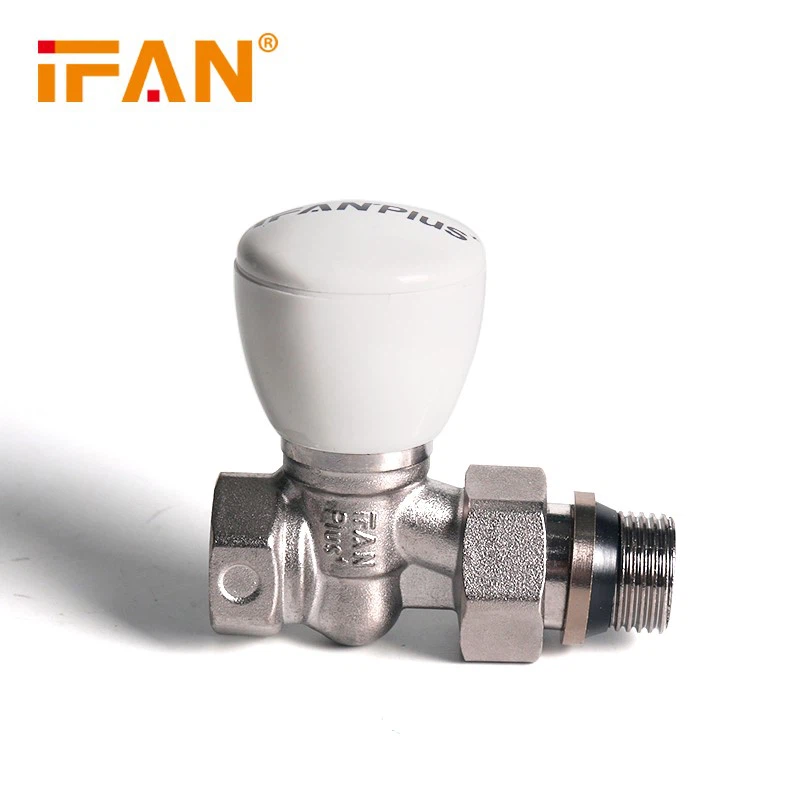
Temperature-controlled valves are also known as thermostatic valves or automatic temperature control valves. They use a temperature-sensitive element, such as wax, that expands or contracts to open or close the valve, thus regulating the flow of the fluid. These valves can be installed in a variety of locations, including on radiators, heat exchangers, and pipelines to control the temperature of a system.
Types of Temperature-Controlled Valves
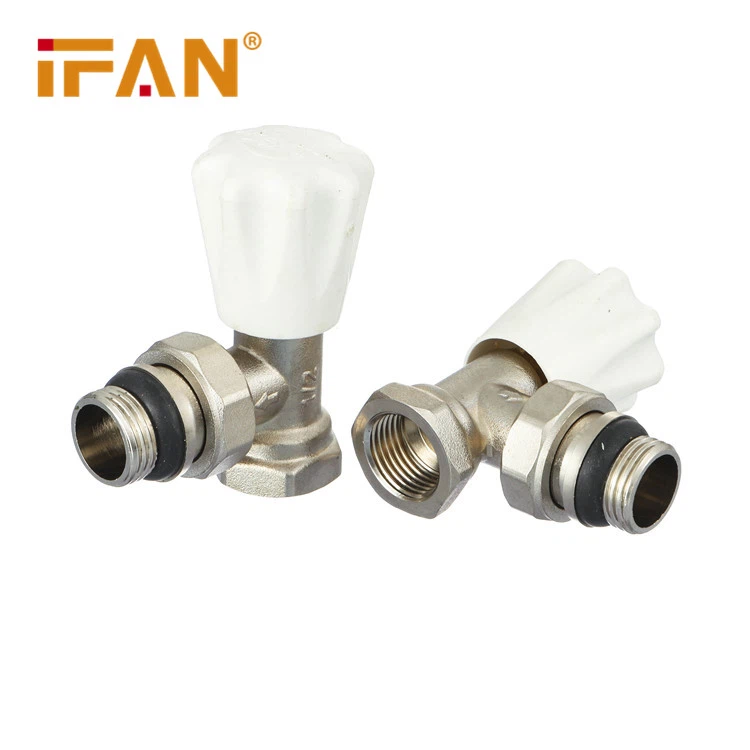
There are several types of temperature-controlled valves available in the market. They include:
1. Thermostatic Radiator Valves
These valves regulate the flow of hot water through radiators in heating systems. They are installed on individual radiators and control the temperature of each room.
2. Mixing Valves
Mixing valves are used in hot water systems to mix hot and cold water to achieve a set temperature. The valve opens or closes to maintain the desired temperature.
3. Thermostatic Expansion Valves
These valves are used in refrigeration and air conditioning systems to regulate the flow of refrigerant through the system. The valve opens or closes depending on the temperature of the refrigerant.
Advantages of Temperature-Controlled Valves
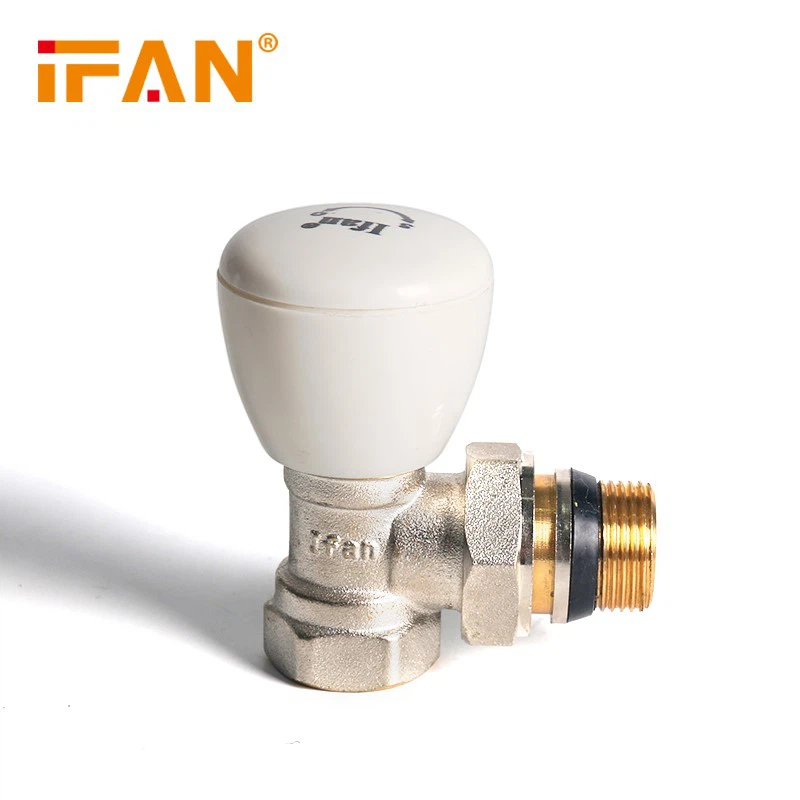
Temperature-controlled valves have several advantages, including:
1. Energy-efficient
They regulate the flow of a fluid and control the temperature, making them energy-efficient. They prevent overheating or overcooling of a system, reducing energy consumption.
2. Cost-effective
These valves are relatively inexpensive, making them an affordable alternative to other control systems.
3. Easy to install
Temperature-controlled valves are easy to install and require minimal maintenance.
Conclusion
Temperature-controlled valves are essential components in heating and cooling systems. They regulate the flow of a fluid and control the temperature, making them energy-efficient and cost-effective. There are several types of temperature-controlled valves available, including thermostatic radiator valves, mixing valves, and thermostatic expansion valves. Installing temperature-controlled valves in your system can help reduce energy consumption and save you money on energy bills.