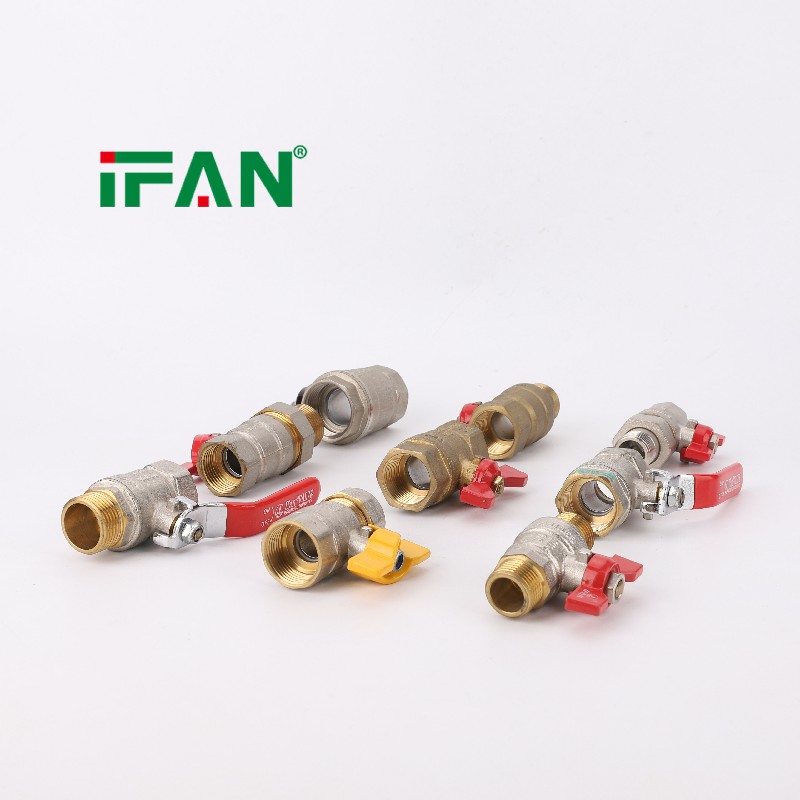
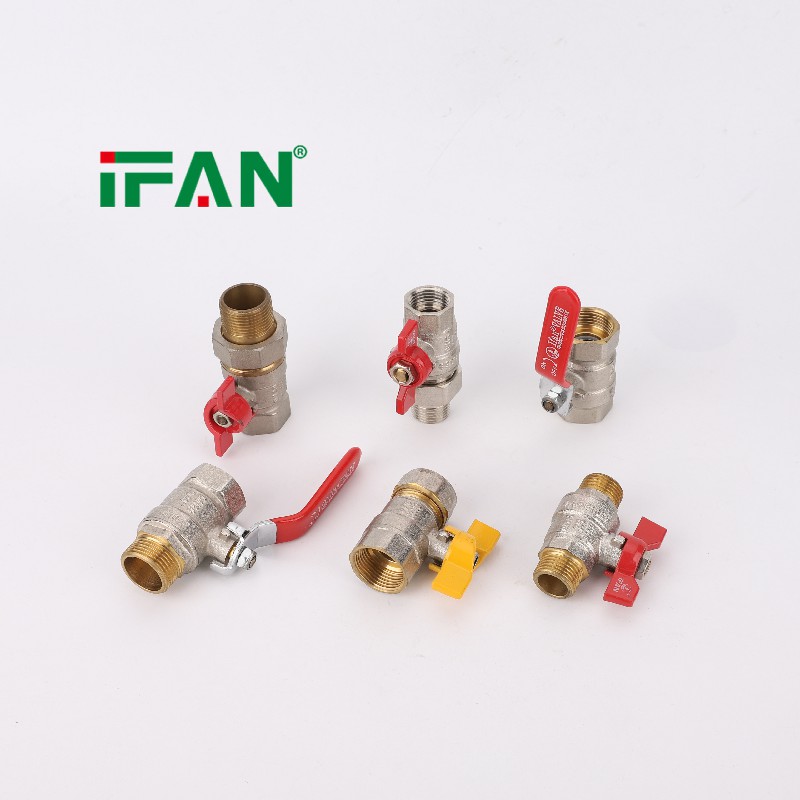
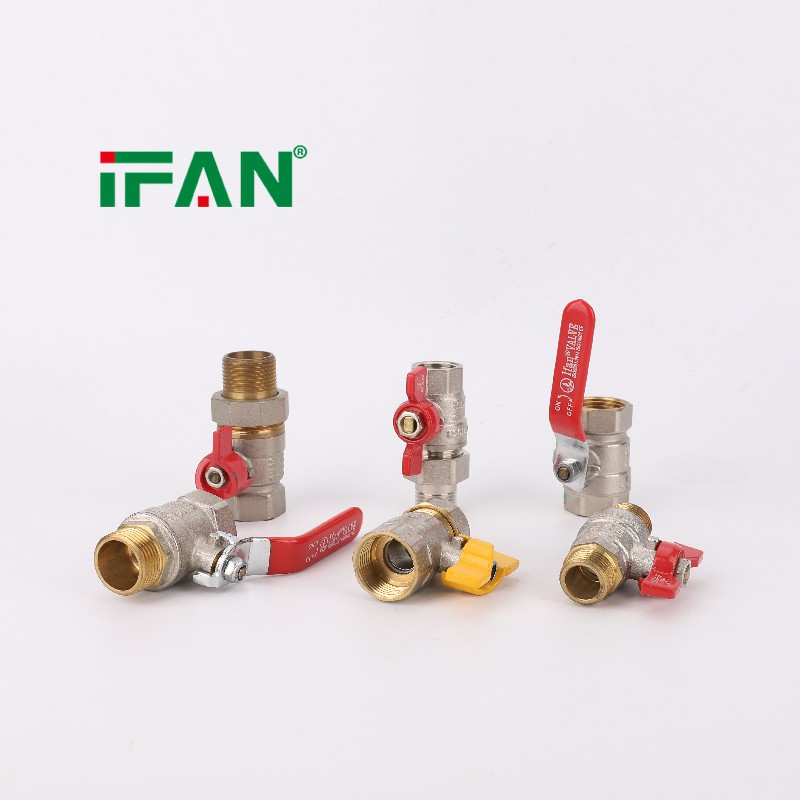
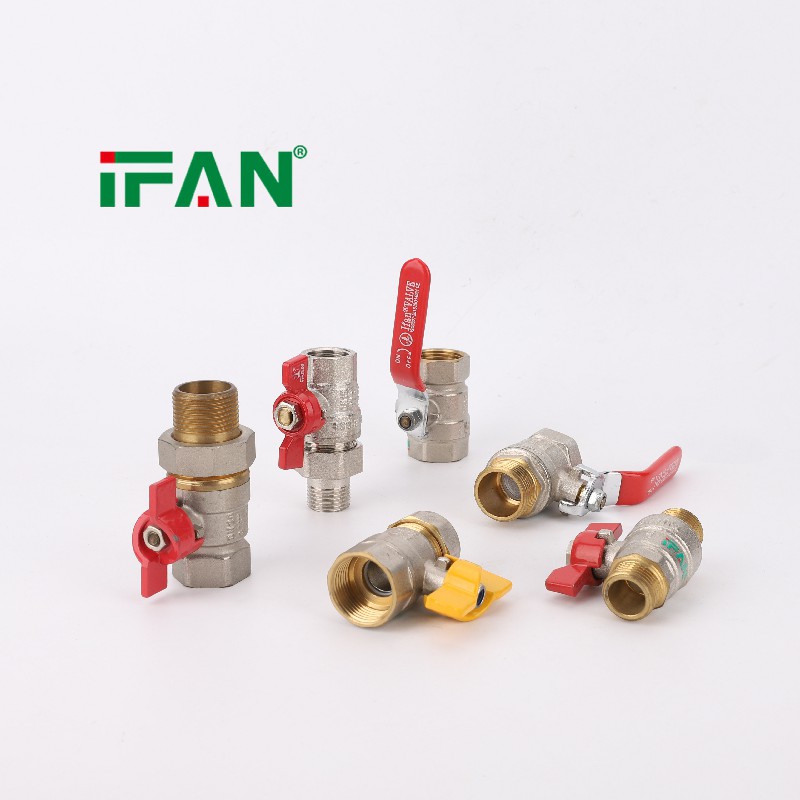
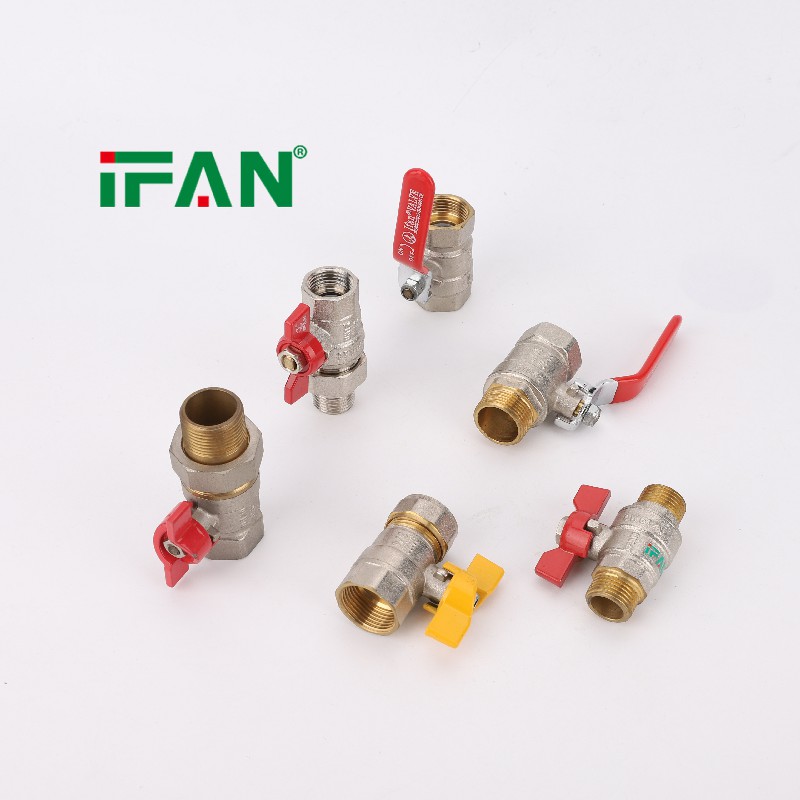
IFAN factory 30+ years manufacture experience support color /size customization support free sample.Welcome to consult for catalog and free samples.This is our Facebook Website:www.facebook.com,Click to watch IFAN’s product video.Compared with Tomex products, our IFAN products from quality to price are your best choice, welcome to buy!
Introduction to PEX Press Fittings for Hydronic Systems
PEX press fittings are increasingly popular in hydronic heating systems due to their reliability, ease of installation, and durability. Hydronic systems use water to transfer heat, making the choice of fittings crucial to ensuring efficient and leak-free operation. PEX (cross-linked polyethylene) press fittings offer a modern solution for connecting PEX pipes in these systems, enhancing overall performance and system longevity.
Benefits of PEX Press Fittings
PEX press fittings offer numerous advantages for hydronic systems. Firstly, they are known for their resistance to corrosion, which is a significant issue in traditional metal fittings. This resistance ensures that the fittings maintain their integrity and functionality over time. Additionally, PEX press fittings simplify the installation process. Unlike traditional fittings that require soldering or threading, PEX press fittings use a press tool to secure connections, which speeds up installation and reduces labor costs. The reliability of these fittings in preventing leaks also contributes to their popularity in hydronic systems.
Compatibility and Material Requirements
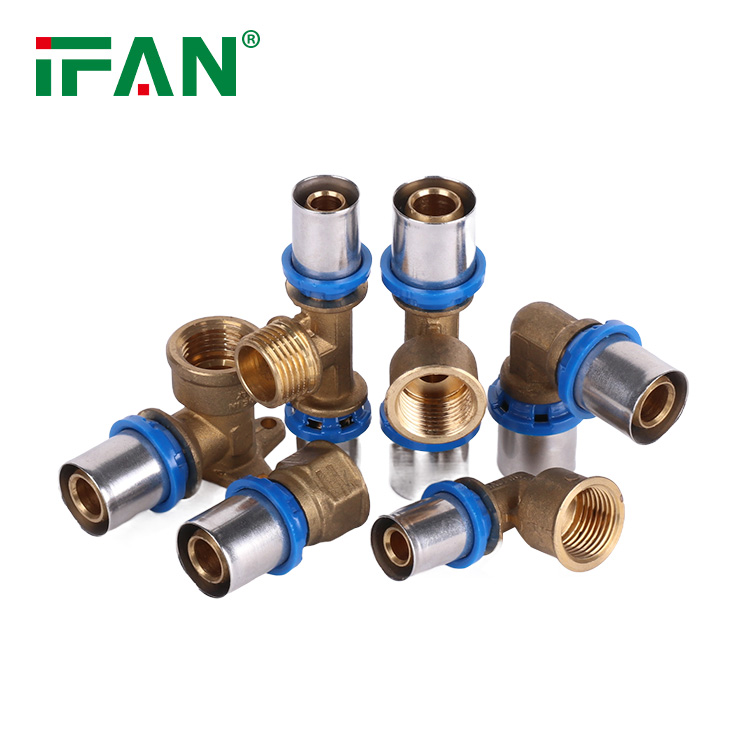
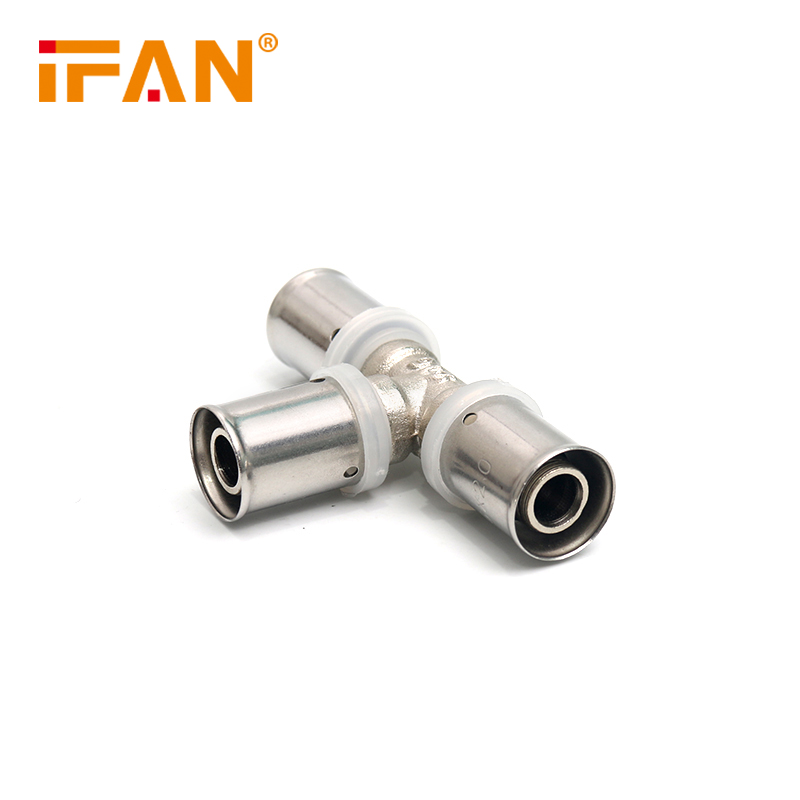
When selecting PEX press fittings for hydronic systems, compatibility with the PEX pipe and the heating system’s requirements is crucial. PEX press fittings are typically made from high-quality brass or stainless steel, materials that are both durable and resistant to the chemical properties of the heating fluids used in hydronic systems. These fittings must comply with industry standards, such as ASTM and ANSI, to ensure they can withstand the pressures and temperatures typical of hydronic systems. Proper material selection and certification help prevent issues like leaks and system failures.
Installation Procedures
The installation of PEX press fittings in hydronic systems requires specific procedures to ensure system integrity. The process involves using a specialized press tool to compress the fitting onto the PEX pipe securely. Before pressing, it is essential to prepare the pipe ends properly, ensuring they are cut squarely and free from any damage. The fitting must be aligned correctly to avoid stressing the pipe or fitting. Following the manufacturer’s guidelines and industry standards for installation is crucial to achieving a leak-free and reliable connection. Additionally, the use of proper tools and techniques helps maintain the overall efficiency of the hydronic system.
Testing and Maintenance
After installation, thorough testing and regular maintenance are critical to ensuring the long-term performance of PEX press fittings in hydronic systems. The system should be pressurized and checked for leaks to confirm that all connections are secure and functioning correctly. Hydronic systems often involve high temperatures and pressures, so ongoing maintenance is necessary to address any issues that may arise. Regular inspections and system checks help in identifying potential problems early, allowing for timely repairs or replacements to avoid system failures and ensure continued efficiency.
Code Compliance and Documentation
Ensuring code compliance is a vital aspect of installing PEX press fittings in hydronic systems. Local building codes and regulations often specify requirements for materials, installation practices, and system testing. Adhering to these codes not only ensures safety but also prevents legal and financial repercussions. Proper documentation of the materials used, installation procedures followed, and test results is essential for compliance verification. This documentation serves as a record for inspections and future maintenance, proving that the installation meets all necessary standards and regulations.
In summary, PEX press fittings offer a robust and efficient solution for hydronic systems, combining ease of installation with durability and reliability. By selecting the right materials, following proper installation procedures, conducting thorough testing, and ensuring code compliance, one can achieve a well-functioning and long-lasting hydronic heating system.