Building a Strong Foundation: How Brass Fittings Enhance Your Plumbing Systems
If you’re looking to improve the quality and longevity of your plumbing systems, then investing in brass fittings is a smart choice. Brass fittings offer a range of benefits that make them a top choice for plumbing professionals and homeowners alike.
What Are Brass Fittings?
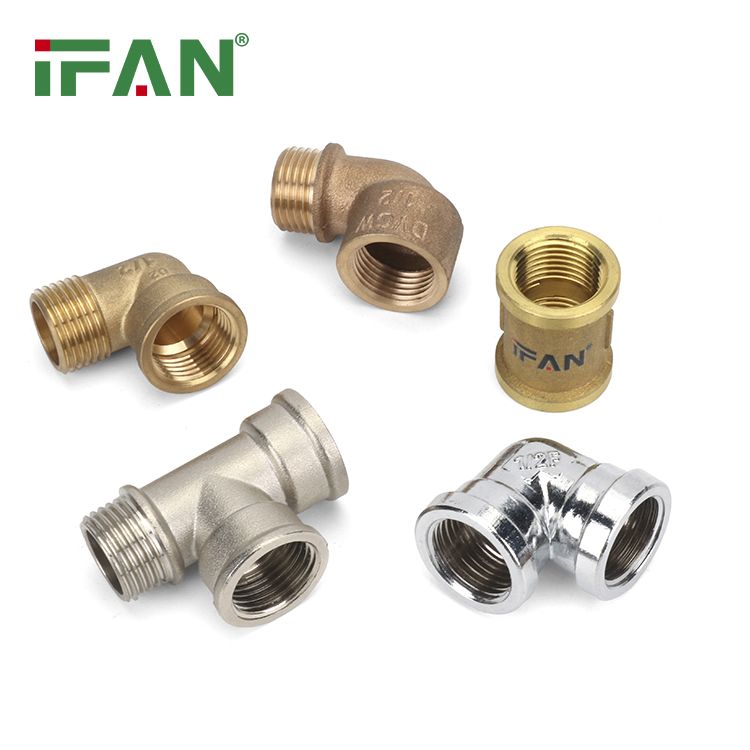
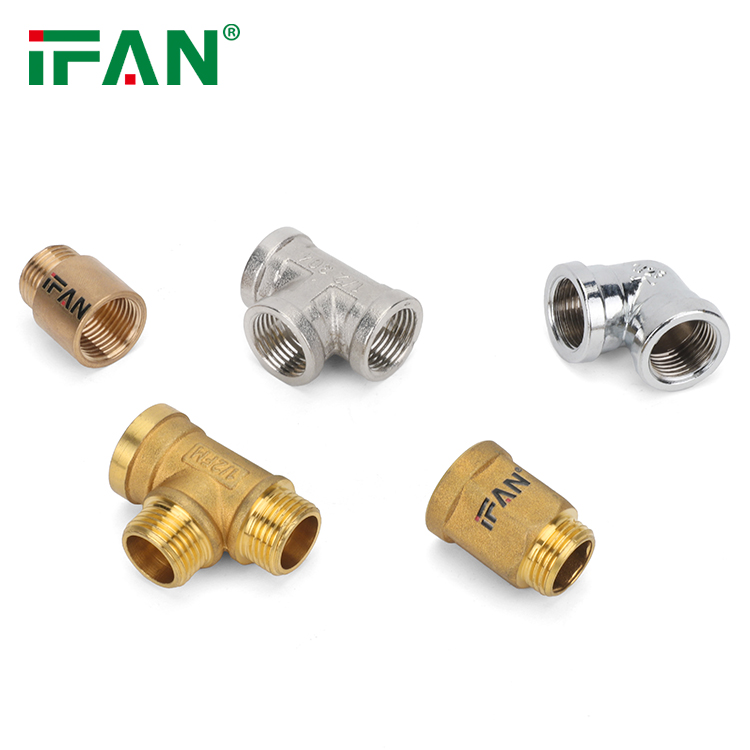
Brass fittings are metal connectors used to join two or more pipes together. They are made of brass, a copper and zinc alloy that is highly resistant to corrosion and rust, and is known for its durability and strength.
Why Choose Brass Fittings?
- Corrosion Resistance
Brass is a non-ferrous metal, which means it doesn’t contain iron. This property makes it resistant to rust and corrosion, even in high moisture environments. This is essential when it comes to plumbing systems, as pipes are exposed to water on a regular basis.
- Durability
Brass is a strong material that can withstand high pressure and temperature changes. This makes it an ideal choice for plumbing systems, where pipes are subjected to constant wear and tear.
- Easy to Install
Brass fittings are easy to install, as they can be threaded onto pipes without the need for welding or soldering. This makes them a popular choice for DIY enthusiasts and professionals alike.
- Aesthetic Appeal
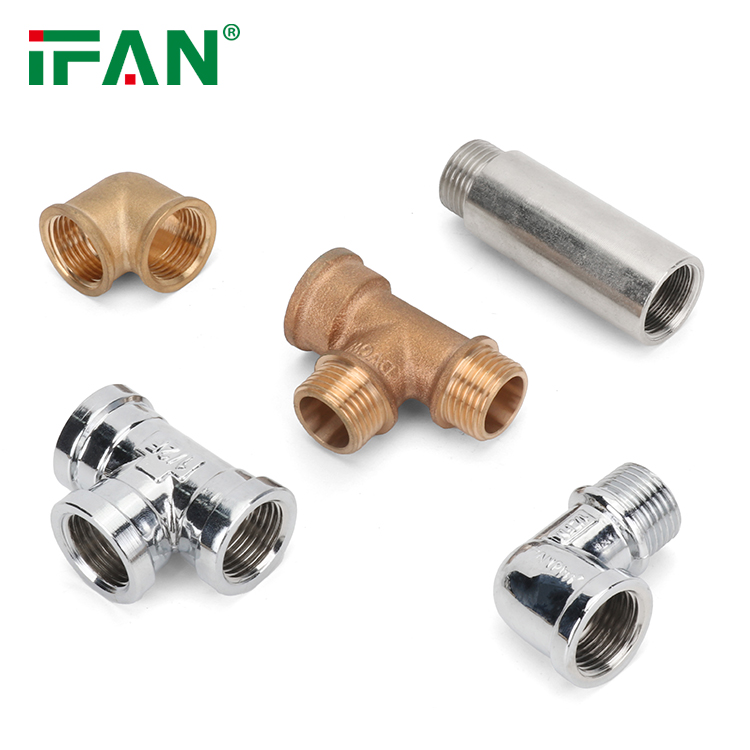
Brass fittings have a shiny golden appearance that adds a touch of elegance to your plumbing systems, making them a popular choice for decorative plumbing fixtures.
Where to Use Brass Fittings?
Brass fittings can be used in a variety of plumbing applications, including hot and cold water supply lines, heating systems, and gas lines.
How to Choose Brass Fittings?
When choosing brass fittings for your plumbing systems, it’s important to consider the size, shape, and type of fitting that you need. Different fittings are designed for different purposes, so it’s essential to choose the right one for your specific application.
Conclusion
Investing in brass fittings is a wise choice for any homeowner or plumbing professional looking to build a strong foundation for their plumbing systems. The benefits of brass fittings are many, including corrosion resistance, durability, ease of installation, and aesthetic appeal. So, if you’re looking to upgrade your plumbing systems, consider the many advantages of brass fittings and take your plumbing to the next level.