Introduction
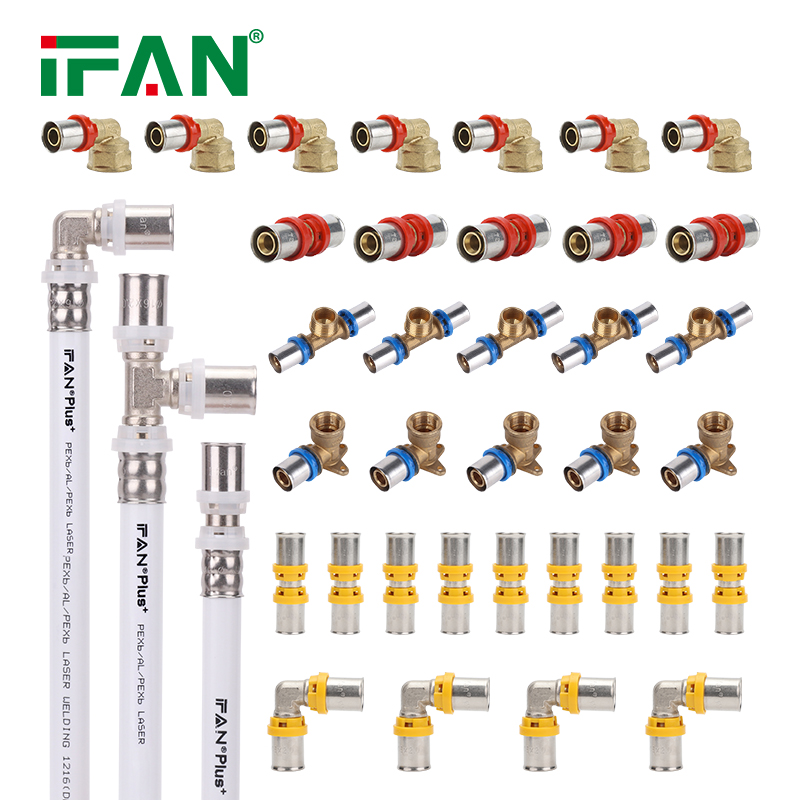
As the construction and plumbing industries continue to evolve, the demand for efficient and reliable piping systems has never been higher. PEX (cross-linked polyethylene) pipes have gained significant traction in commercial applications, particularly for heating systems. REHAU, a leading manufacturer of polymer-based solutions, has been at the forefront of this trend, providing innovative PEX piping solutions. However, while PEX offers numerous advantages, it is essential to consider alternatives like PPR (Polypropylene Random Copolymer) pipes, which also provide unique benefits. This article will explore common questions about commercial PEX pipes and heating applications, while also highlighting the advantages of PPR pipes as a viable alternative.
Understanding PEX Pipes
What is PEX?
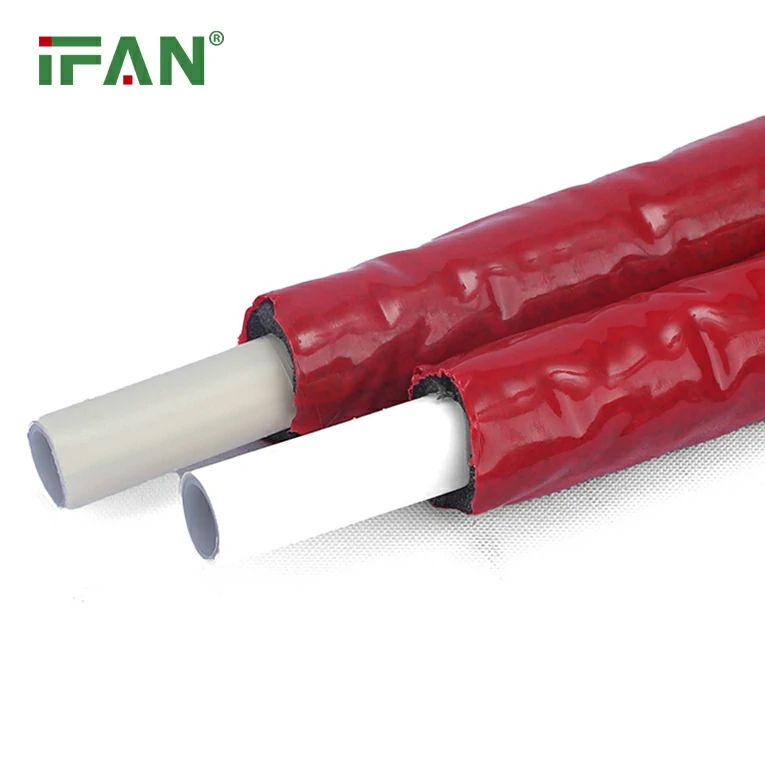
PEX pipes are flexible plastic pipes made from cross-linked polyethylene. They are designed for a wide range of plumbing and heating applications, including residential and commercial systems. PEX pipes are known for their durability, resistance to corrosion, and ease of installation, making them a popular choice among contractors and builders.
Key Benefits of PEX Pipes
- Flexibility: PEX pipes can bend and curve, allowing for easy installation in tight spaces and reducing the need for fittings.
- Corrosion Resistance: Unlike metal pipes, PEX is resistant to corrosion, which is particularly beneficial in areas with hard water.
- Thermal Insulation: PEX pipes have excellent thermal insulation properties, which help maintain water temperature and reduce energy costs.
- Quick Installation: The lightweight nature of PEX allows for faster installation, leading to lower labor costs and quicker project completion.
- Reduced Noise: PEX pipes are quieter than traditional metal pipes, minimizing noise from water flow, which is especially beneficial in commercial buildings.
REHAU and Commercial PEX Solutions
REHAU’s Role in the PEX Market
REHAU has established itself as a leader in the development of polymer solutions, including PEX piping systems for commercial applications. The company focuses on providing high-quality, innovative products that meet the demands of modern construction and heating systems.
Common Applications of REHAU PEX Pipes
- Hydronic Heating Systems: REHAU PEX pipes are widely used in hydronic heating applications, where hot water is circulated through pipes to heat buildings efficiently.
- Radiant Floor Heating: PEX pipes are ideal for radiant floor heating systems, providing even heat distribution and increased comfort.
- Domestic Hot and Cold Water Supply: REHAU PEX pipes are suitable for both hot and cold water supply lines in commercial buildings.
- Snow Melting Systems: PEX pipes can be used in outdoor snow melting applications, helping to maintain safe and accessible walkways and driveways during winter.
Frequently Asked Questions about Commercial PEX Pipes
Q1: What are the differences between PEX and traditional piping materials?
PEX pipes differ from traditional materials like copper and PVC in several ways:
- Flexibility: PEX is more flexible than rigid materials, allowing for easier installation in complex layouts.
- Corrosion Resistance: PEX does not corrode like metal pipes, which can lead to leaks and reduced lifespan.
- Thermal Properties: PEX has better thermal insulation properties, helping to maintain water temperature and reduce energy costs.
Q2: Can PEX pipes be used for hot water applications?
Yes, PEX pipes are suitable for hot water applications. They are designed to withstand high temperatures, making them ideal for hydronic heating and domestic hot water supply.
Q3: How long do PEX pipes last?
PEX pipes typically have a lifespan of 25 to 50 years, depending on installation conditions and maintenance. Properly installed PEX systems can provide reliable service for decades.
Q4: Are there any limitations to using PEX pipes?
While PEX pipes have many advantages, there are some limitations to consider:
- UV Sensitivity: PEX pipes are sensitive to UV light and should not be exposed to direct sunlight for extended periods.
- Temperature Fluctuations: PEX can expand and contract with temperature changes, so proper support and installation techniques are essential to prevent stress on the pipes.
Q5: How do PEX pipes compare to PPR pipes?
While PEX pipes are popular for their flexibility and ease of installation, PPR pipes also offer unique benefits, including:
- Chemical Resistance: PPR pipes are highly resistant to a wide range of chemicals, making them suitable for industrial applications.
- Thermal Stability: PPR pipes can withstand higher temperatures than PEX, making them ideal for hot water applications.
- Longevity: PPR pipes have a lifespan of over 50 years, significantly longer than PEX.
Exploring PPR Pipes as an Alternative
What are PPR Pipes?
PPR (Polypropylene Random Copolymer) pipes are a type of plastic piping made from polypropylene. They are known for their durability, chemical resistance, and long lifespan, making them suitable for various plumbing and heating applications.
Key Benefits of PPR Pipes
- Chemical Resistance: PPR pipes can withstand exposure to a wide range of chemicals, making them ideal for industrial applications and environments where chemical exposure is a concern.
- Thermal Stability: PPR pipes can handle higher temperatures than PEX, making them suitable for hot water applications without compromising their structural integrity.
- Longevity: PPR pipes have a lifespan of over 50 years, significantly longer than PEX. Their resistance to corrosion and wear makes them a reliable choice for long-term plumbing systems.
- Ease of Maintenance: PPR pipes require minimal maintenance and are less prone to leaks compared to PEX systems. This reliability translates to lower long-term costs for property owners.
- Eco-Friendly: PPR pipes are made from recyclable materials, contributing to a more sustainable plumbing solution compared to PEX, which is derived from petrochemicals.
Comparing Installation Techniques: PEX vs. PPR
Installation of PEX Pipes
Installing PEX pipes is a straightforward process:
- Planning the Layout: Before installation, it is essential to plan the plumbing layout, considering the location of fixtures and appliances.
- Cutting the Pipe: PEX pipes are cut to the desired lengths using a pipe cutter.
- Connecting Fittings: Depending on the type of fittings used (crimp or expansion), the appropriate method is applied to secure the connections.
- Securing the Pipes: PEX pipes should be secured to walls or ceilings using straps or hangers to prevent sagging.
- Testing for Leaks: After installation, a pressure test should be conducted to ensure there are no leaks in the system.
Installation of PPR Pipes
The installation process for PPR pipes differs significantly:
- Planning the Layout: Similar to PEX, planning the layout is crucial for PPR installations.
- Cutting the Pipe: PPR pipes are cut to the required lengths using a pipe cutter.
- Heating and Joining: PPR pipes are typically joined using heat fusion techniques. This involves heating the ends of the pipes and fittings until they become soft, then pushing them together to create a strong bond.
- Cooling Period: The joint is allowed to cool, solidifying the connection.
Addressing Common Concerns with PEX Pipes
Despite the advantages of PEX pipes, some common concerns need to be addressed:
1. Leaching Concerns
One of the primary concerns with PEX is the potential for leaching harmful chemicals into the water supply. While many manufacturers have improved their formulations, this remains a topic of discussion among health professionals.
2. Temperature Sensitivity
PEX pipes can expand and contract with temperature fluctuations. If not installed correctly or supported adequately, this can lead to stress on the pipes and potential failure.
3. Vulnerability to UV Light
PEX is sensitive to UV light, which can degrade the material over time. This means that PEX pipes should not be exposed to direct sunlight for extended periods.
Why Choose PPR Pipes Over PEX?
Given the concerns surrounding PEX, many plumbing professionals are turning to PPR pipes as a more reliable alternative. Here are some compelling reasons to consider PPR:
- Enhanced Safety: PPR pipes have a low leaching potential, making them a safer choice for drinking water applications.
- Stable Performance: PPR pipes maintain their integrity under varying temperature conditions, reducing the risk of failure due to thermal stress.
- Lower Maintenance Costs: The durability of PPR pipes often translates into lower maintenance and repair costs over time.
- Environmental Benefits: PPR pipes are recyclable and have a lower environmental impact compared to PEX.
Conclusion
As the demand for efficient plumbing and heating solutions continues to grow in commercial applications, PEX pipes have emerged as a popular choice. REHAU’s innovative PEX solutions provide contractors and builders with reliable options for various applications. However, it is essential to consider alternatives like PPR pipes, which offer unique benefits in terms of chemical resistance, thermal stability, and longevity. By understanding the strengths and weaknesses of both PEX and PPR pipes, industry professionals can make informed decisions that best suit their project requirements.
Frequently Asked Questions (FAQs)
1. What are the main advantages of using PEX pipes in commercial applications?
PEX pipes offer flexibility, corrosion resistance, thermal insulation, quick installation, and reduced noise, making them ideal for various commercial plumbing and heating applications.
2. Can PPR pipes be used for hot water applications?
Yes, PPR pipes can withstand higher temperatures and are suitable for hot water applications without compromising their structural integrity.
3. How do PEX and PPR pipes compare in terms of lifespan?
PEX pipes typically last between 25 to 50 years, while PPR pipes have a lifespan of over 50 years, making them a more durable option.
4. Are PEX pipes susceptible to UV light damage?
Yes, PEX pipes are sensitive to UV light and should not be exposed to direct sunlight for extended periods to prevent degradation.
5. What is the installation process for PPR pipes?
The installation of PPR pipes involves planning the layout, cutting the pipes, heating the ends for fusion joining, and allowing the joints to cool and solidify for a strong connection.