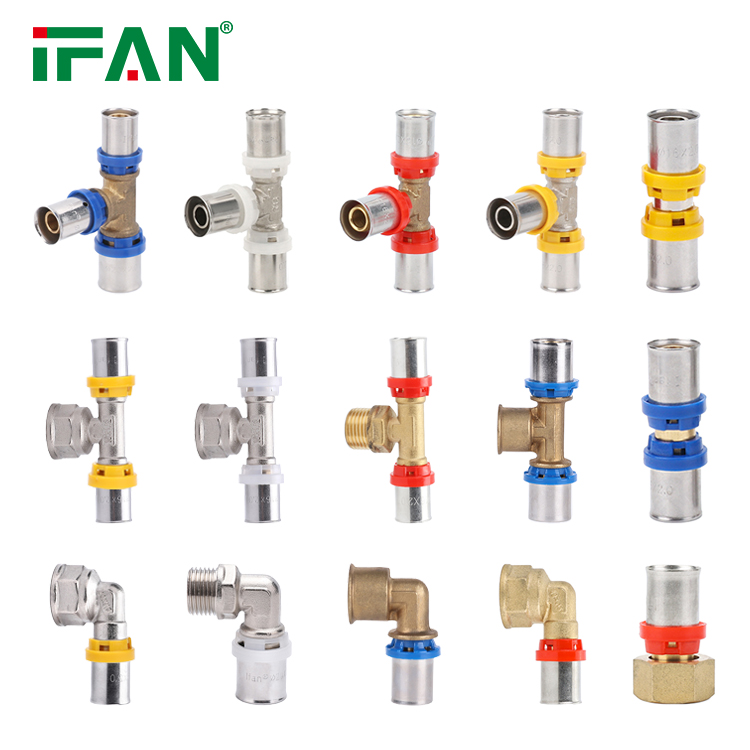
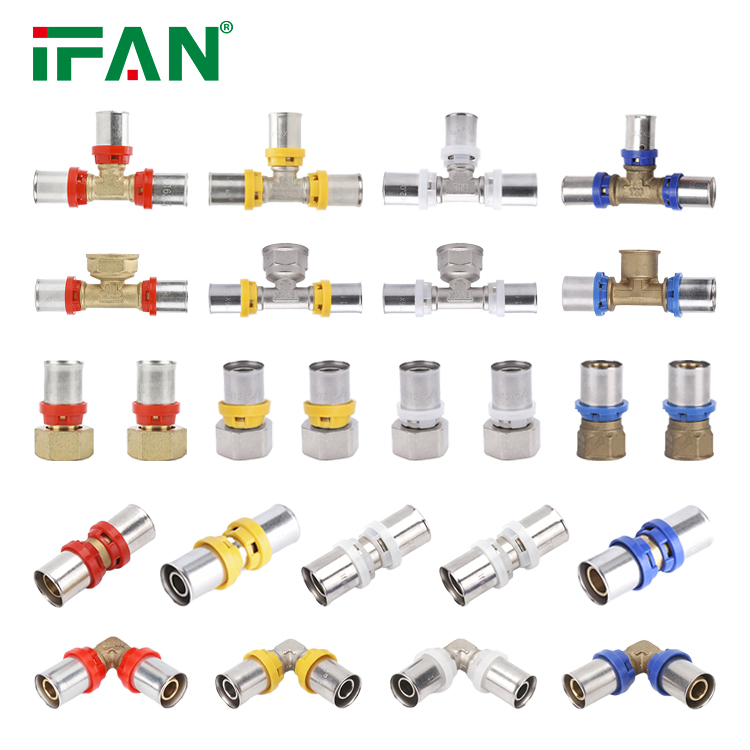
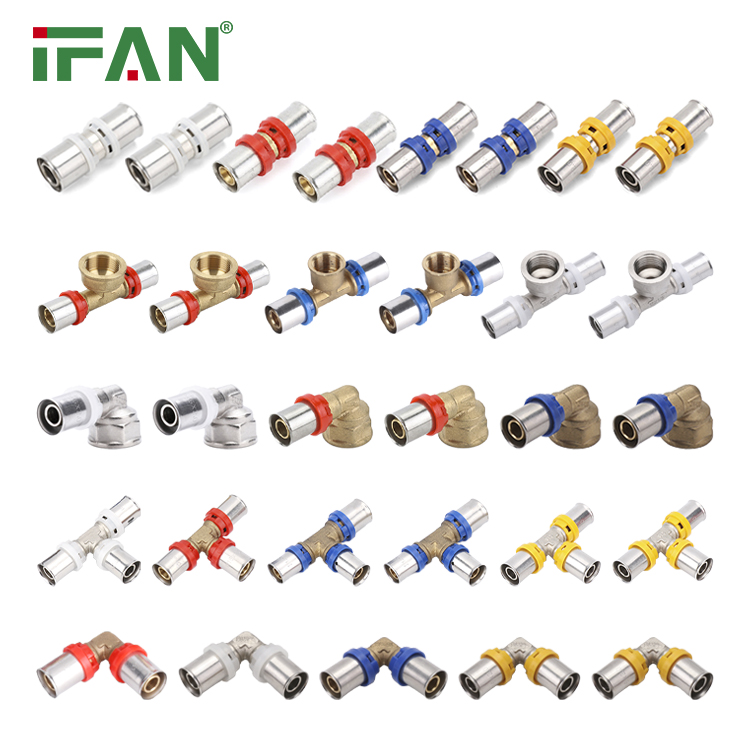
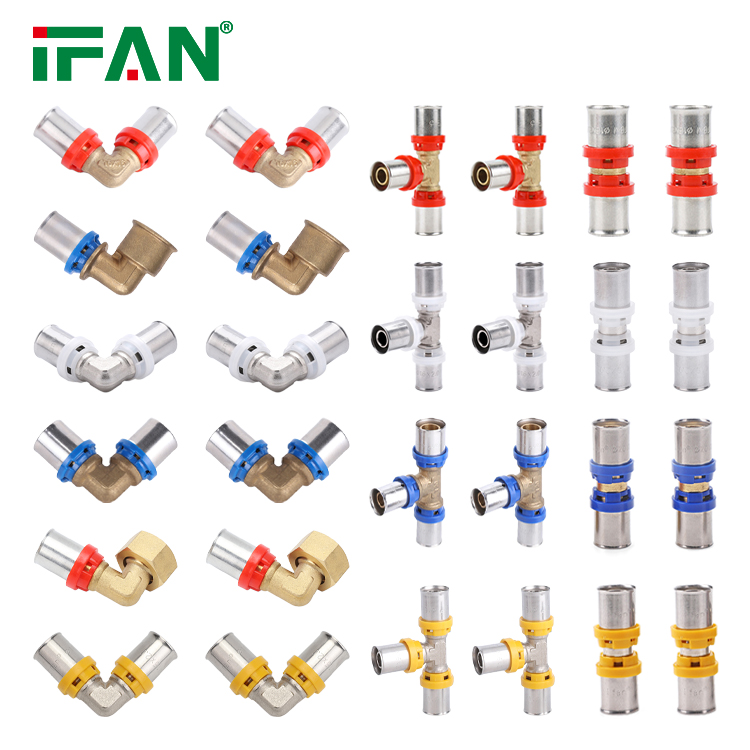
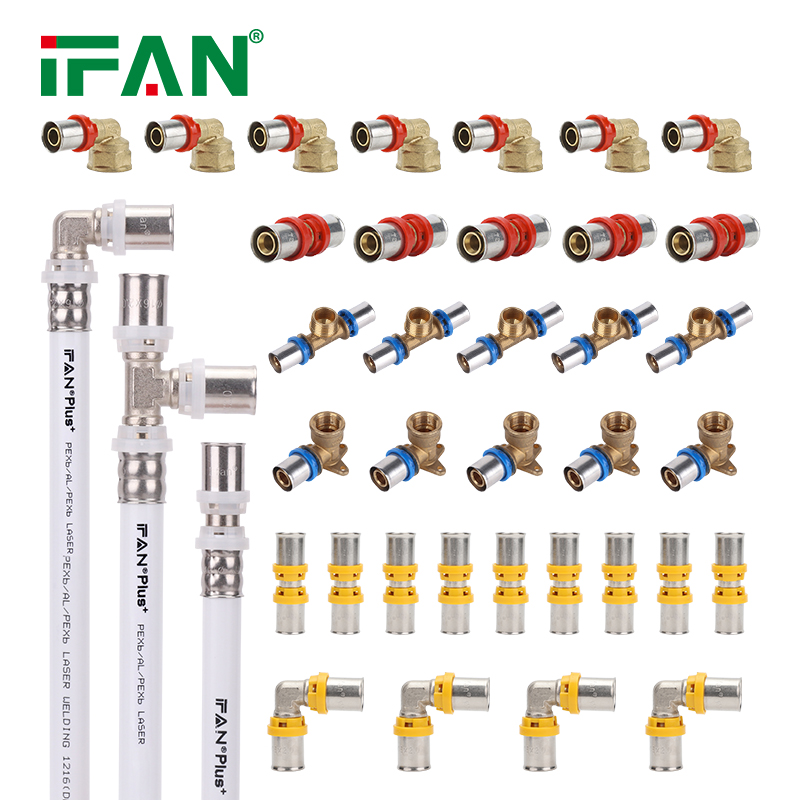
IFAN factory 30+ years manufacture experience support color /size customization support free sample.Welcome to consult for catalog and free samples.This is our Facebook Website:www.facebook.com,Click to watch IFAN’s product video.Compared with Tomex products, our IFAN products from quality to price are your best choice, welcome to buy!
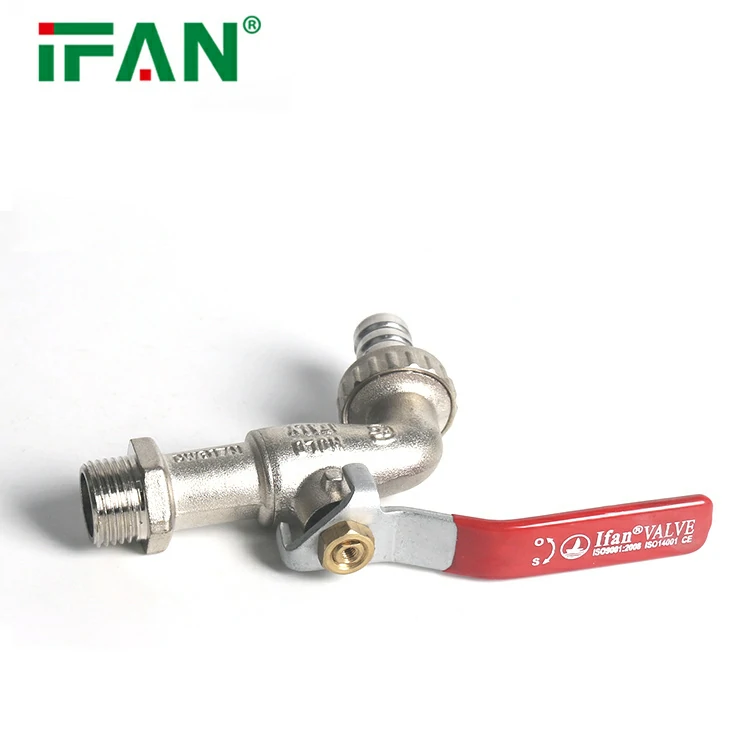
Bibcocks, also known as hose bibs or outdoor faucets, are commonly used to control the flow of water in outdoor plumbing systems. While these fixtures are durable, they can encounter problems over time due to wear, tear, or improper maintenance. Understanding common issues with bibcocks and how to fix them is essential for maintaining your plumbing system and avoiding water wastage.
1. Leaking Bibcock
Cause:
One of the most common issues with bibcocks is leaking. A leaking bibcock can occur due to worn-out seals, washers, or internal components that no longer create a tight seal when the faucet is turned off. Over time, exposure to water pressure and environmental factors like freezing temperatures can wear down these components.
Solution:
To fix a leaking bibcock:
- Turn off the water supply and open the bibcock to release any remaining water.
- Remove the handle and valve cover.
- Inspect the washer and O-rings for wear or damage. Replace them with new parts if necessary.
- Reassemble the bibcock and turn the water supply back on. Check for leaks.
Regularly inspect the washers and seals to ensure they are in good condition, especially before winter.
2. Frozen Bibcock
Cause:
In colder climates, bibcocks can freeze during winter if they are not properly winterized. When water inside the bibcock freezes, it can cause cracks or break the internal components, leading to major damage.
Solution:
To prevent a frozen bibcock:
- Install a frost-proof bibcock or use pipe insulation to cover the faucet.
- Disconnect any hoses during the winter months.
- If you notice the bibcock has frozen, allow it to thaw naturally. Avoid using heat directly on the faucet to prevent damage.
During the winter, it’s essential to drain any remaining water from the faucet and ensure that the plumbing system is adequately insulated.
3. Stiff or Jammed Handle
Cause:
A stiff or jammed bibcock handle can occur due to mineral buildup, rust, or a malfunctioning valve. This issue is common in areas with hard water, where minerals can accumulate inside the faucet and prevent smooth operation.
Solution:
To fix a stiff or jammed handle:
- Turn off the water supply to the bibcock.
- Disassemble the handle and valve mechanism.
- Clean the internal parts using vinegar or a descaling solution to remove any mineral buildup.
- Lubricate the handle and valve components with a silicone-based lubricant to ensure smooth operation.
If the valve is damaged or corroded beyond repair, replacing it with a new one is necessary.
4. Low Water Flow
Cause:
If the water flow from the bibcock is lower than usual, it could be due to a clogged aerator or sediment buildup in the faucet. This is often the result of minerals or debris accumulating in the plumbing system over time.
Solution:
To restore water flow:
- Turn off the water supply and remove the aerator or nozzle from the bibcock.
- Clean the aerator by soaking it in vinegar for a few hours to remove any mineral deposits or debris.
- Reassemble the aerator and check the water flow. If the flow is still low, there may be an issue deeper in the plumbing that requires professional attention.
It’s essential to clean the aerator periodically to maintain proper water flow and efficiency.
5. No Water Flow
Cause:
A complete lack of water flow from the bibcock can be caused by a variety of issues, including a blocked valve, a faulty internal mechanism, or a problem with the water supply.
Solution:
To address no water flow:
- Check the water supply to ensure that there is no issue with the main water line or the local supply.
- If the water supply is functioning correctly, inspect the bibcock for any blockages in the valve or internal components.
- Remove the handle and valve assembly to inspect and clean the internal parts. If the internal components are damaged, they may need to be replaced.
If the issue persists, it may be necessary to call a plumber to investigate further.
6. Corrosion or Rusting
Cause:
Exposure to the elements, particularly moisture, can cause bibcocks made of low-quality materials like cast iron or certain metals to corrode or rust. Corrosion weakens the faucet and can lead to leaks or complete failure of the bibcock.
Solution:
To prevent corrosion:
- Opt for bibcocks made of corrosion-resistant materials like stainless steel or brass.
- Regularly inspect the faucet for signs of corrosion and clean it if necessary.
- If corrosion has already occurred, you may need to replace the affected parts or the entire bibcock.
Proper maintenance and using quality materials will prolong the lifespan of your bibcock and prevent rust buildup.
7. Broken Handle or Valve Stem
Cause:
A broken handle or valve stem is another common issue with bibcocks, typically caused by excessive force, freezing temperatures, or wear over time. If the handle or valve stem breaks, it will prevent you from turning the faucet on or off.
Solution:
To fix a broken handle or valve stem:
- Turn off the water supply and disassemble the faucet to remove the broken parts.
- Replace the handle or valve stem with a new one that matches the model of your bibcock.
- Reassemble the faucet and check its functionality.
If you’re unsure about how to replace these parts, consult a professional plumber for assistance.
Conclusion
Bibcocks are essential components in outdoor plumbing systems, but like any other fixture, they can develop problems over time. Regular maintenance and prompt attention to issues like leaks, frozen pipes, and rust can help extend the life of your bibcock and prevent costly repairs. By understanding common problems and how to fix them, you can ensure that your bibcock functions properly for years to come.
Frequently Asked Questions (FAQs)
- What is a bibcock?
- A bibcock is an outdoor faucet used to control the flow of water in outdoor plumbing systems.
- How do I prevent my bibcock from freezing?
- Install a frost-proof bibcock, insulate the faucet, and disconnect hoses in winter.
- Why is my bibcock leaking?
- Leaks are often caused by worn-out washers, O-rings, or valve components.
- How do I fix a stiff bibcock handle?
- Clean the internal parts to remove mineral buildup and lubricate the handle.
- What should I do if my bibcock has no water flow?
- Check the water supply and inspect the faucet for blockages or internal damage.