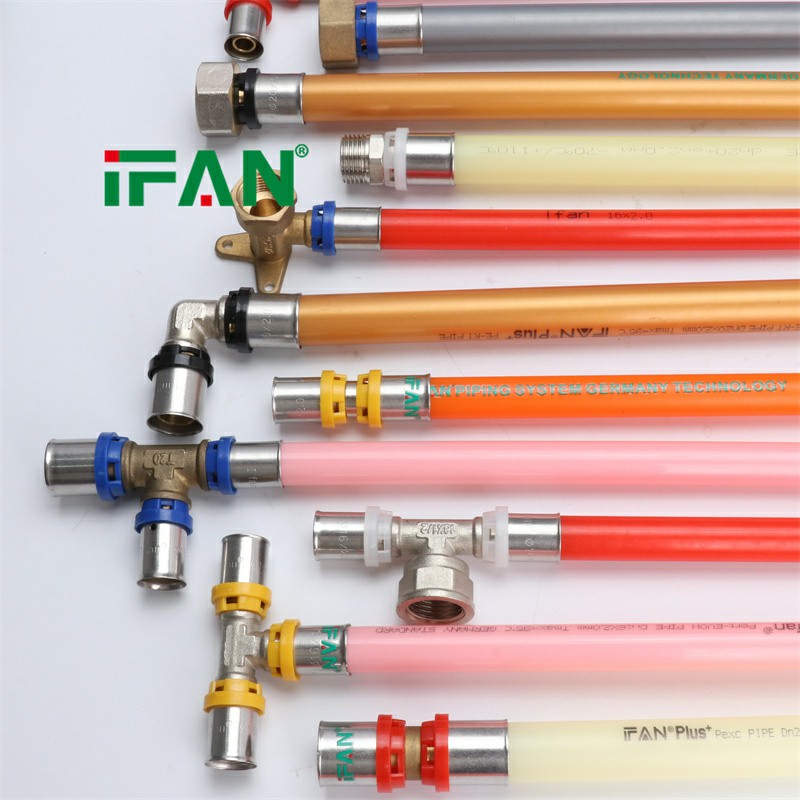
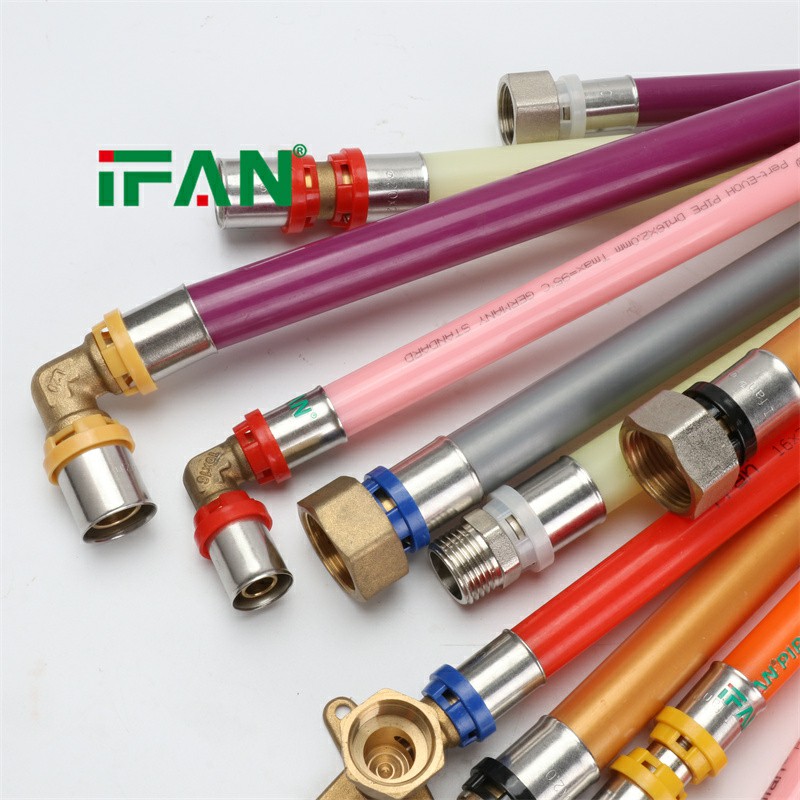
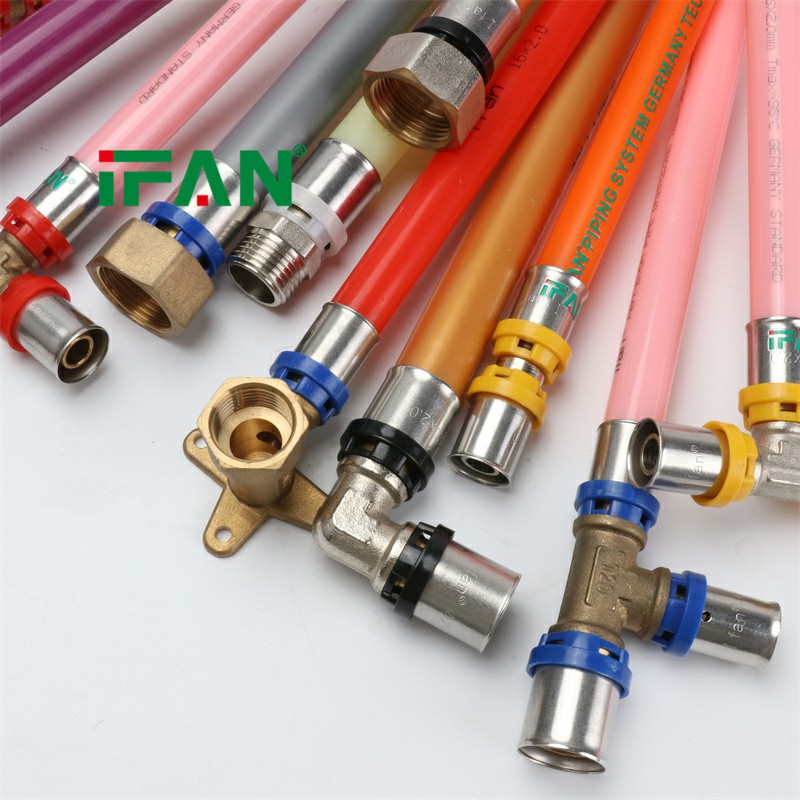
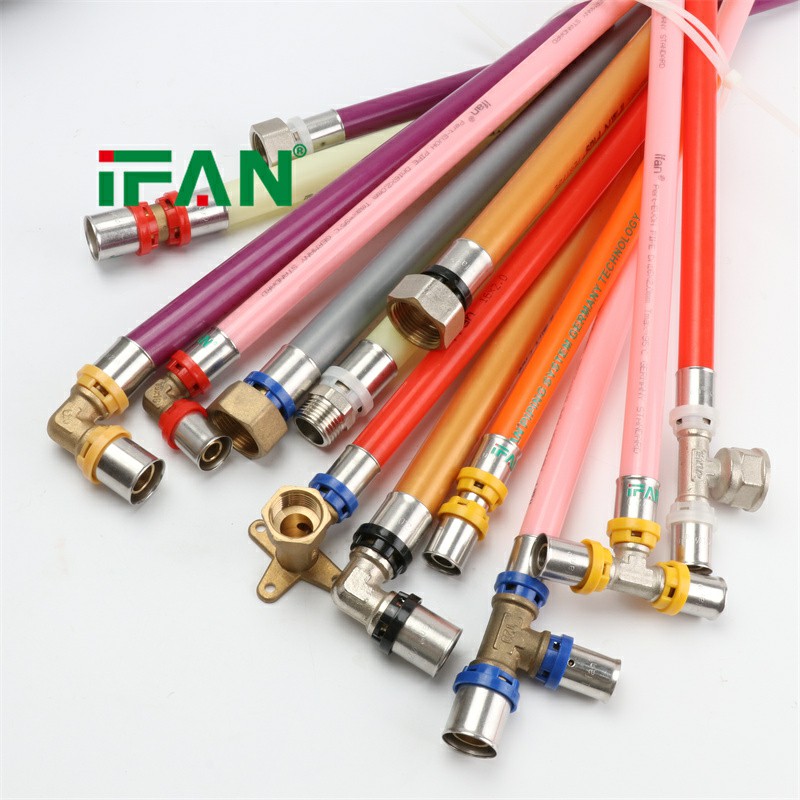
IFAN factory 30+ years manufacture experience support color /size customization support free sample.Welcome to consult for catalog and free samples.This is our Facebook Website:www.facebook.com,Click to watch IFAN’s product video.Compared with Tomex products, our IFAN products from quality to price are your best choice, welcome to buy!
Bibcocks, also known as hose bibs or garden taps, are essential components of any outdoor plumbing system. These faucets provide a reliable way to control the flow of water for outdoor tasks like gardening, washing cars, or filling pools. This complete guide will explore everything you need to know about bibcocks, including their types, installation, maintenance, and common issues. By the end of this article, you’ll have a solid understanding of bibcocks and how to keep them in good working condition.
What is a Bibcock?
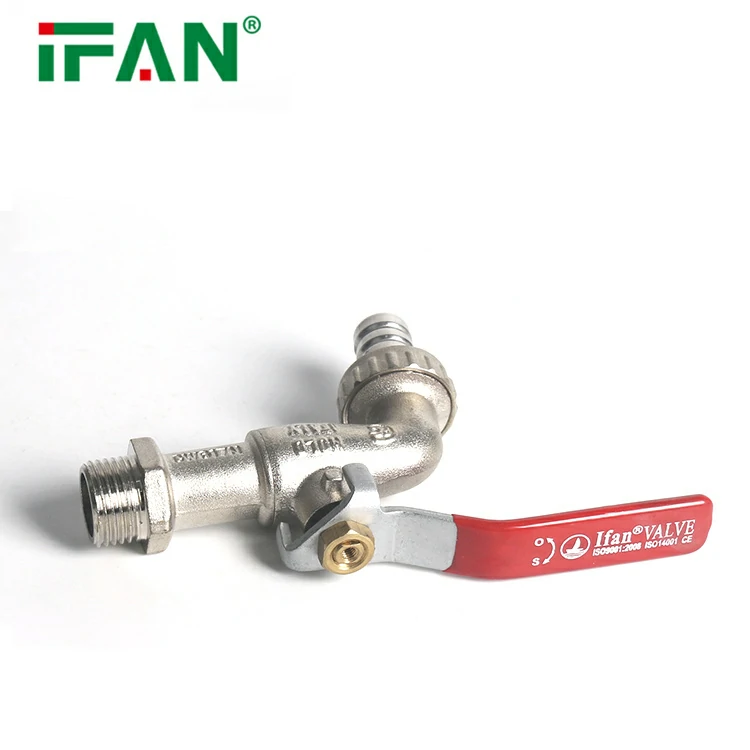
A bibcock is an outdoor faucet commonly installed on exterior walls of houses to control the water flow in outdoor areas. It is used for various purposes, including watering the garden, washing the car, or even filling large containers. Bibcocks are designed to be durable and can withstand harsh weather conditions. The main components of a bibcock include the valve, spout, and hose connection.
Importance of Bibcocks
Bibcocks are essential for controlling the water supply in outdoor areas. They allow homeowners to manage their water usage efficiently and effectively. Whether you’re irrigating plants or washing equipment, having a reliable bibcock ensures that you have water whenever you need it. Additionally, bibcocks are designed for outdoor use, so they are built to handle exposure to the elements, making them a crucial part of any home’s plumbing system.
Types of Bibcocks
There are several types of bibcocks available, each designed for specific needs and environments. Below are the most common types:
1. Standard Bibcock
The standard bibcock is the most common type, characterized by a simple valve that opens and closes to control the water flow. This type is ideal for basic outdoor water supply needs, such as watering plants or washing the car.
2. Frost-Proof Bibcock
Frost-proof bibcocks are designed to withstand freezing temperatures. They feature a special valve mechanism that prevents water from staying in the faucet, reducing the risk of freezing and damage during cold weather. Frost-proof bibcocks are especially beneficial in regions that experience freezing winters.
3. Pressure-Reducing Bibcock
This type of bibcock comes equipped with a built-in pressure regulator. It’s ideal for environments where maintaining a consistent water pressure is important, such as for irrigation systems or sensitive watering equipment.
4. Anti-Siphon Bibcock
An anti-siphon bibcock is equipped with a backflow prevention valve. This prevents contaminants from flowing back into the water supply, ensuring that the water remains clean and safe for use in gardening or washing tasks.
How to Install a Bibcock?
Installing a bibcock is a relatively simple task that can be done with a few basic tools. Here’s a step-by-step guide to help you install a new bibcock:
Step 1: Shut Off the Water Supply
Before you begin the installation process, turn off the main water supply to prevent any leaks or accidents. Locate the shut-off valve and close it completely.
Step 2: Choose the Right Location
Select an appropriate location for your bibcock. The best spot is usually on an exterior wall where the pipe can be easily connected to the water supply. Make sure the area is free of obstacles and provides easy access to the faucet.
Step 3: Cut the Pipe
If you’re installing a new bibcock or replacing an old one, you may need to cut the pipe to fit the new fixture. Use a pipe cutter to make a clean and straight cut. Ensure the cut is smooth to avoid leaks.
Step 4: Attach the Bibcock
Wrap plumber’s tape around the threaded end of the pipe to create a watertight seal. Then, screw the bibcock onto the pipe. Tighten it by hand, but avoid over-tightening to prevent damaging the threads.
Step 5: Tighten the Connection
Use a pipe wrench to tighten the connection further. Be careful not to over-tighten the bibcock, as this could cause damage to the valve or threads.
Step 6: Test the Bibcock
Once the bibcock is installed, turn on the water supply and check for any leaks. Open the bibcock to ensure that water flows properly. If there are any leaks, tighten the connections or reapply plumber’s tape.
How to Maintain a Bibcock?
Proper maintenance is essential to ensure the longevity and functionality of your bibcock. Here are some maintenance tips to keep your bibcock in top shape:
1. Regular Cleaning
Clean the bibcock regularly to remove dirt, debris, and mineral buildup that may clog the valve or hose connection. Use a mild cleaner or vinegar to remove any stubborn residue.
2. Winterizing
In colder climates, it’s important to winterize your bibcock to prevent freezing. Disconnect any hoses and drain the water from the bibcock before the first frost. If you have a frost-proof bibcock, it will be less prone to freezing, but it’s still a good idea to drain the faucet.
3. Check for Leaks
Inspect the bibcock for leaks regularly. If you notice water leaking from the faucet, check the washer or O-ring. Replacing these components can often solve the issue. Also, ensure that the faucet is securely tightened to prevent leaks at the connection points.
4. Lubricate the Handle
Over time, the handle may become stiff due to mineral buildup. To restore smooth operation, clean the interior parts of the bibcock and lubricate the handle with a silicone-based lubricant.
Common Problems with Bibcocks
While bibcocks are generally durable, they can encounter some issues. Here are some common problems and solutions:
1. Leaking Bibcock
A leaking bibcock is usually caused by a worn-out washer or O-ring. Replacing these parts should fix the leak. If the faucet is leaking at the connection, make sure the threaded parts are tightened properly.
2. Stiff Handle
If the handle is difficult to turn, it could be due to mineral buildup or debris inside the bibcock. Clean the faucet thoroughly and lubricate the handle to restore smooth operation.
3. Low Water Pressure
If the water pressure is low, check the hose and aerator for clogs. Clean or replace the aerator to improve water flow. You can also check the water supply for any issues.
4. Frozen Bibcock
In cold weather, a frozen bibcock can cause significant damage. To prevent this, install a frost-proof bibcock or winterize the faucet by draining it before the temperatures drop.
Conclusion
Bibcocks are essential components of any home’s outdoor water system. They provide a convenient way to control water flow for tasks like gardening, washing cars, or filling pools. By understanding the different types of bibcocks, how to install and maintain them, and how to troubleshoot common issues, you can ensure that your bibcock remains in good working condition for years to come.
FAQs
1. What is the difference between a standard and a frost-proof bibcock?
A standard bibcock can freeze in cold weather, while a frost-proof bibcock is designed to prevent freezing by draining the water from the faucet and valve.
2. How do I know which size bibcock to choose?
The most common sizes for bibcocks are ½-inch, ¾-inch, and 1-inch. The size you need depends on the water supply and the intended use.
3. Can I install a bibcock myself?
Yes, installing a bibcock is a relatively simple task that can be done with basic plumbing tools. Just follow the installation steps carefully.
4. How can I prevent my bibcock from freezing in winter?
To prevent freezing, use a frost-proof bibcock or winterize your outdoor faucet by disconnecting hoses and draining the water before the temperature drops.
5. What should I do if my bibcock is leaking?
If your bibcock is leaking, check the washer or O-ring for wear and tear. Replacing these parts should fix the issue.