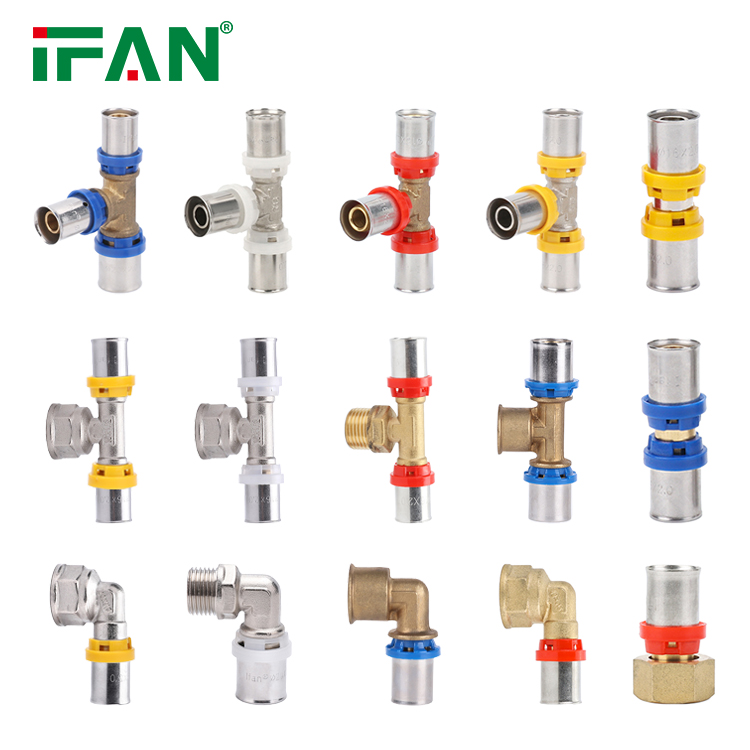
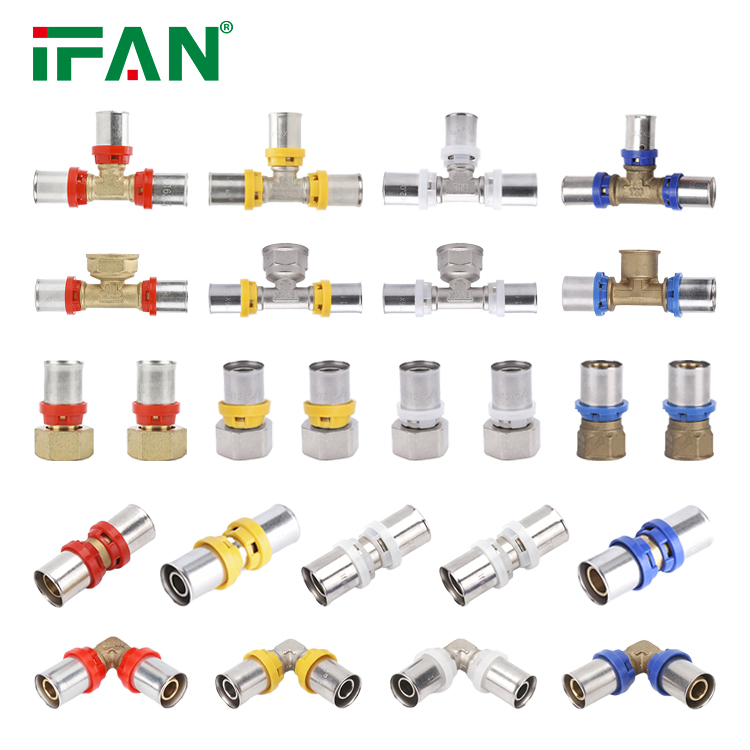
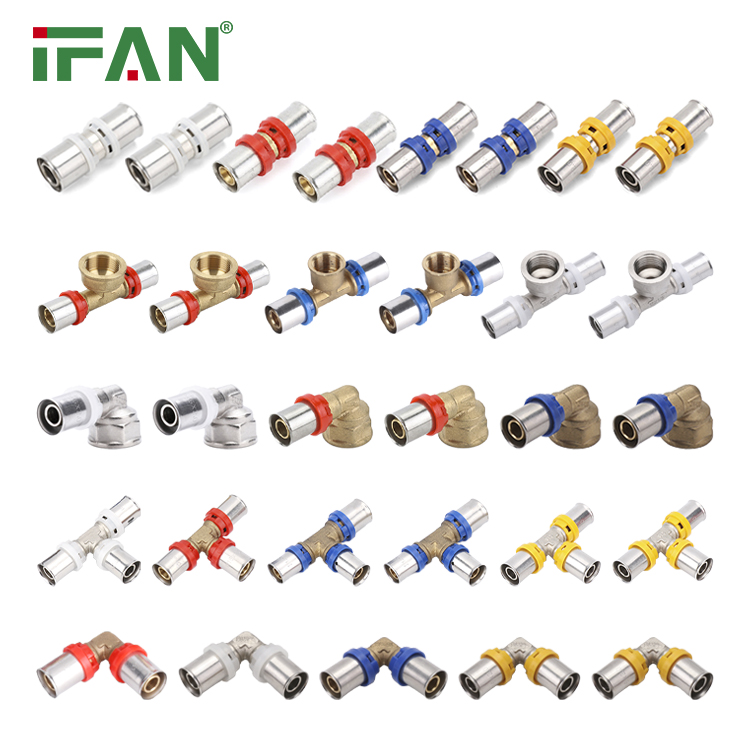
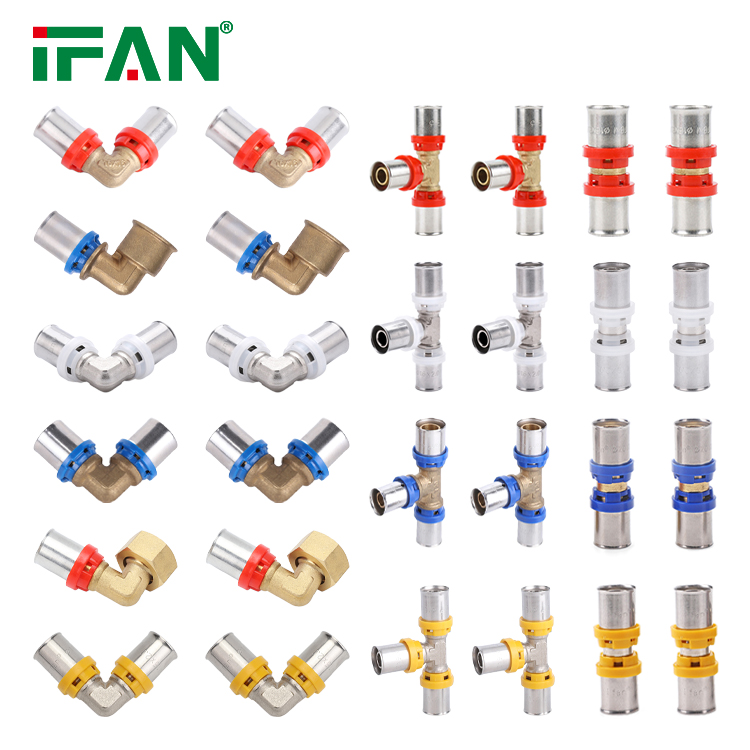
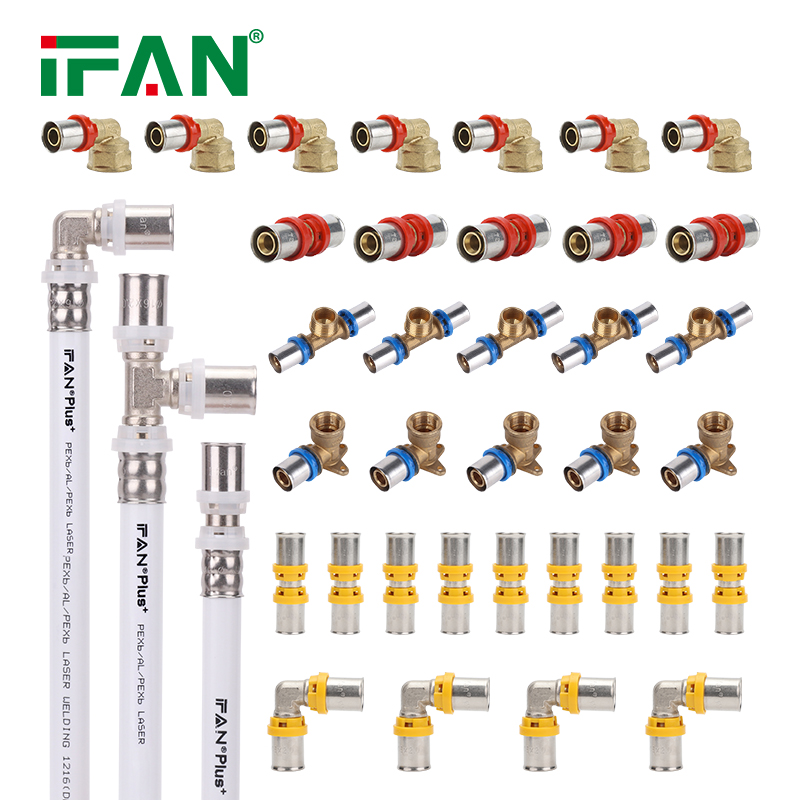
IFAN factory 30+ years manufacture experience support color /size customization support free sample.Welcome to consult for catalog and free samples.This is our Facebook Website:www.facebook.com,Click to watch IFAN’s product video.Compared with Tomex products, our IFAN products from quality to price are your best choice, welcome to buy!
Introduction to PEX Press and Crimp Fittings
PEX press and crimp fittings are two popular methods for connecting PEX pipes in plumbing systems, each with distinct advantages and installation requirements. PEX press fittings use a compression mechanism to create a secure connection, while PEX crimp fittings rely on metal rings and crimping tools. Understanding the differences between these two methods can help in choosing the right solution for your plumbing needs, ensuring both reliability and ease of installation.
Installation Methods: Press vs. Crimp
The installation processes for PEX press and crimp fittings are notably different. PEX press fittings require a specialized press tool that compresses a metal ring around the PEX pipe to secure the fitting. This method is known for its speed and simplicity, as it eliminates the need for soldering or extensive preparation. In contrast, PEX crimp fittings use a metal ring that is placed over the PEX pipe and then crimped with a crimping tool. The crimping tool deforms the ring to create a tight seal around the pipe. While crimping requires a bit more manual effort and precision, it is also a well-established and reliable method.
Material and Durability Considerations
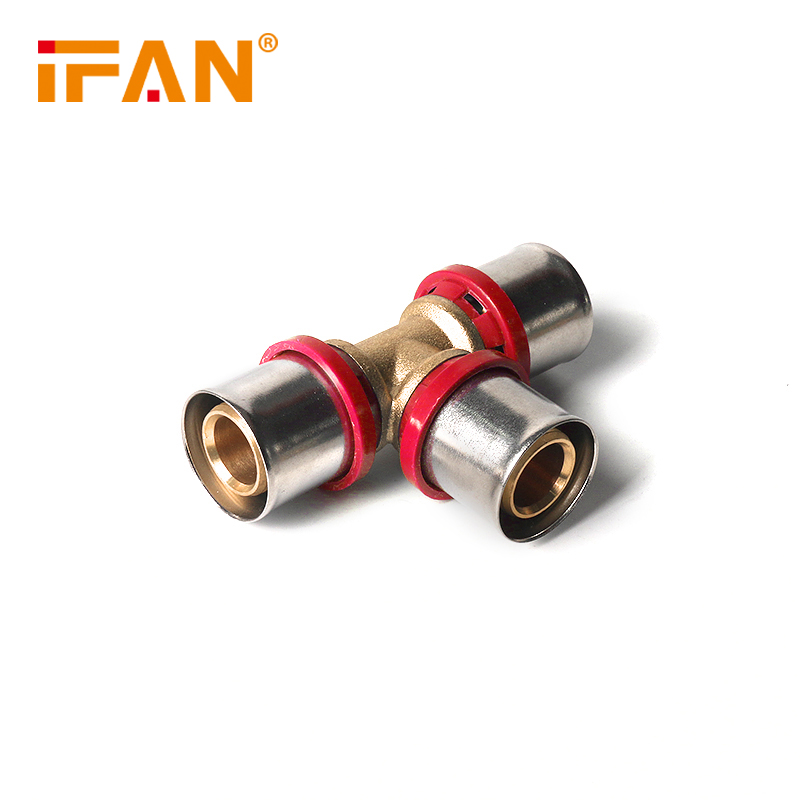
Both PEX press and crimp fittings are designed to withstand high pressures and temperatures, but they use different materials and construction techniques. PEX press fittings are typically made of brass or other durable metals and feature an integrated compression ring for a secure connection. These fittings are resistant to corrosion and offer a long service life. On the other hand, PEX crimp fittings also use metal rings, often made of copper or stainless steel, that are crimped to the pipe. The choice of material can impact the fitting’s longevity and resistance to various environmental factors, but both types are generally robust and reliable.
Cost and Time Efficiency
Cost and time efficiency are important factors when choosing between PEX press and crimp fittings. PEX press fittings, while offering a quicker and cleaner installation, can be more expensive due to the cost of the press tools and the fittings themselves. The press tool is a significant investment, especially for small-scale projects. PEX crimp fittings, in contrast, generally have a lower upfront cost for both the fittings and crimping tools. Crimping tools are often more affordable, making crimp fittings a cost-effective choice for many DIY enthusiasts and professionals. However, crimp fittings may take slightly longer to install due to the need for precise crimping.
System Compatibility and Flexibility
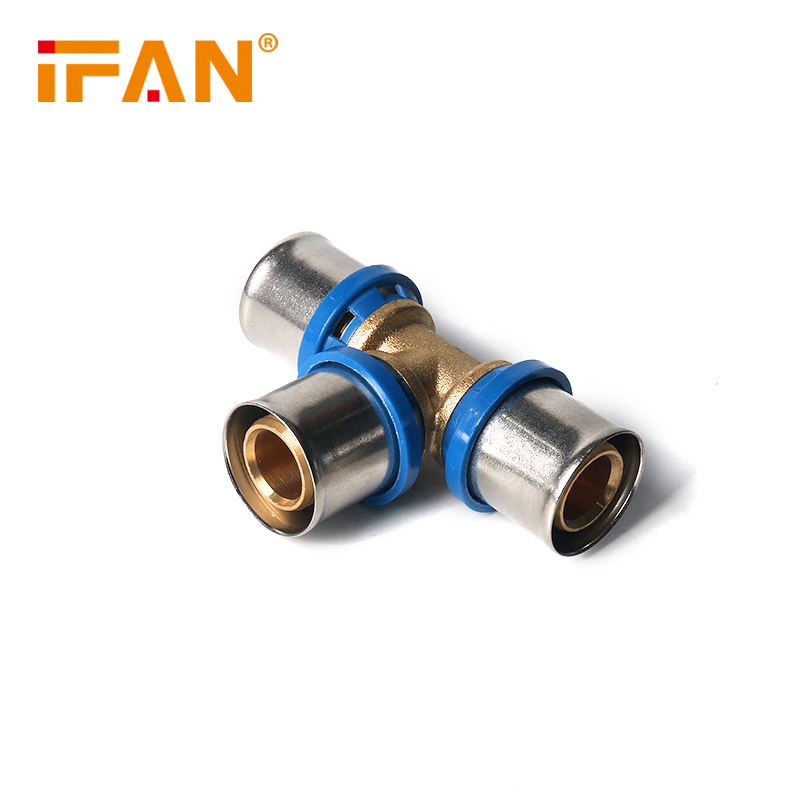
System compatibility is another key consideration. PEX press fittings are compatible with various types of PEX pipe (PEX-A, PEX-B, and PEX-C) and are often used in systems where ease of installation and high performance are prioritized. They are particularly useful in applications requiring quick and reliable connections. PEX crimp fittings are also versatile and compatible with different types of PEX pipes. They are commonly used in both residential and commercial plumbing systems. However, crimp fittings require careful measurement and cutting to ensure a perfect fit, which can be more demanding in tight or complex installations.
Maintenance and Troubleshooting
Both PEX press and crimp fittings are designed for durability, but they may require different approaches to maintenance and troubleshooting. PEX press fittings, due to their compression mechanism, generally require less frequent maintenance and are less prone to leaks if installed correctly. However, if a press fitting fails, it can be more challenging to replace compared to crimp fittings. PEX crimp fittings, while generally reliable, may require more frequent checks for leaks or damage, particularly if the crimping was not performed correctly. Regular inspections and proper installation practices are essential for both types to ensure long-term performance.
In summary, PEX press and crimp fittings each offer unique benefits and challenges. PEX press fittings are valued for their ease of installation and reliability but come with higher tool costs. PEX crimp fittings offer a cost-effective solution with proven reliability, though they require precise crimping and careful installation. Evaluating factors such as cost, installation time, system compatibility, and maintenance needs will help determine the best fitting choice for your plumbing project.