Introduction
Municipal water networks require reliable fittings to distribute water across residential, commercial, and public infrastructure. As cities expand, pipeline systems often need additional branch connections. HDPE electrofusion tees provide a practical solution for connecting multiple sections of polyethylene pipelines.
These fittings use electrical heating to create fused joints between compatible HDPE pipes. They are designed to connect a main pipeline with a branch line or another pipeline section. This makes them useful for water distribution networks, service connections, and infrastructure upgrades.
HDPE electrofusion tees are available in different sizes and configurations. Selecting the right model requires attention to pipe diameter, material grade, SDR compatibility, pressure requirements, and installation conditions.
This guide explains their structure, applications, selection criteria, and installation process. It also covers common mistakes that municipal contractors should avoid.
What Are HDPE Electrofusion Tees?
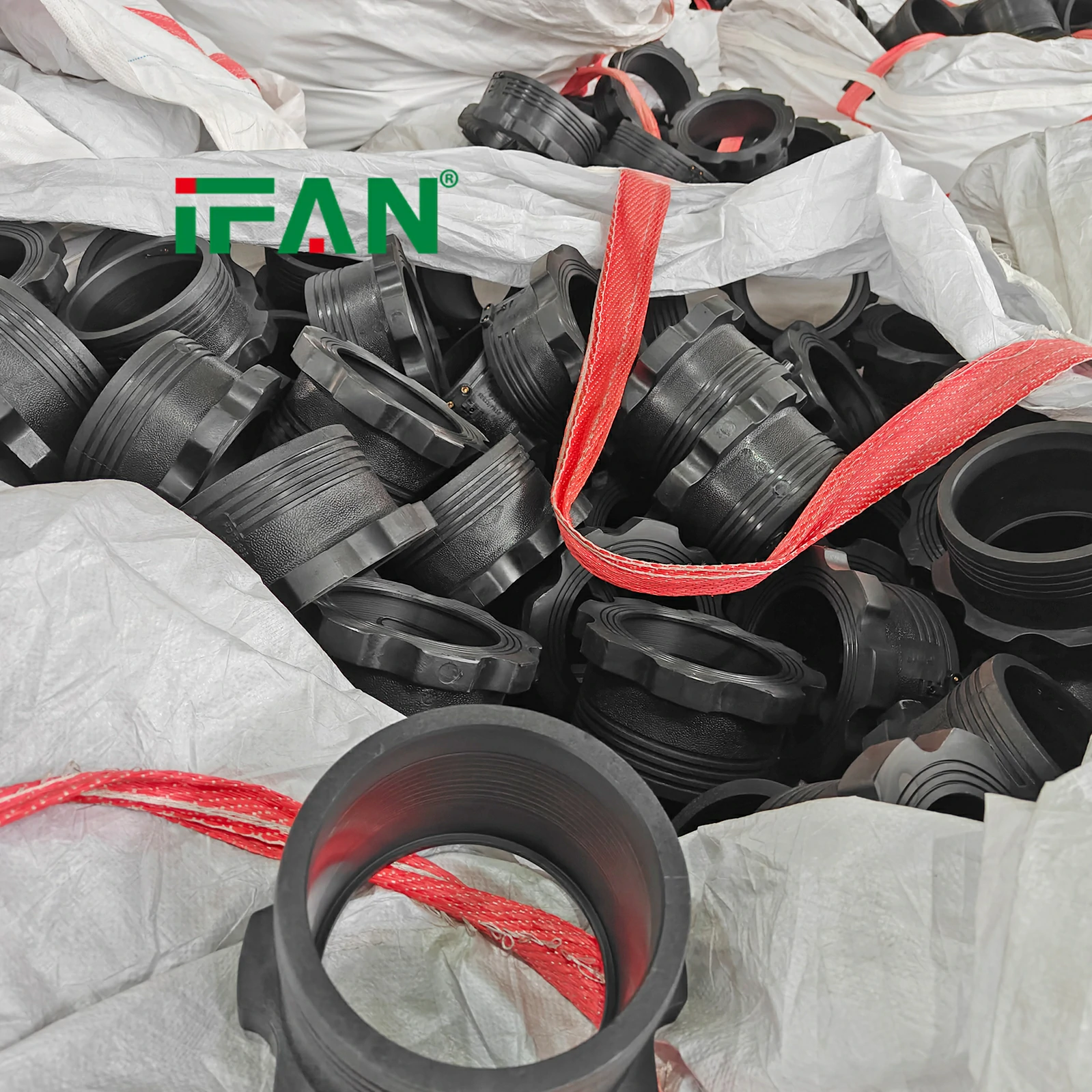
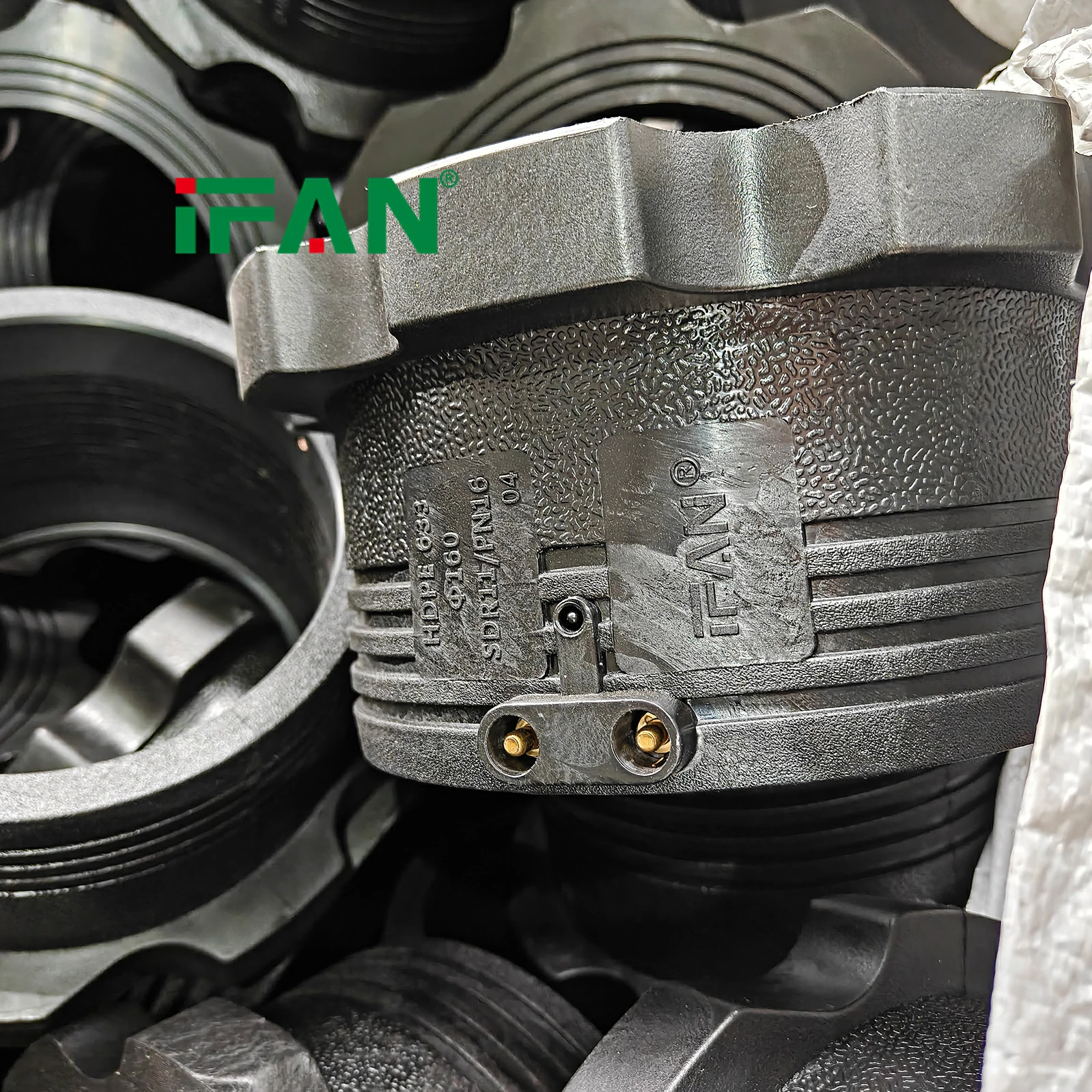
An HDPE electrofusion tee is a polyethylene pipe fitting designed to create a branch connection within a pipeline system. It generally has three connection ends: two for the main pipeline and one for the branch.
The fitting contains embedded electrical resistance wires in its fusion zones. When connected to a compatible electrofusion control unit, these wires generate heat. The heat melts the contact surfaces of the fitting and prepared pipe.
After the fusion cycle and specified cooling period, the materials form an integrated joint.
Unlike mechanical tees, electrofusion tees do not rely solely on external bolts or compression components. They create connections through controlled heating of compatible polyethylene surfaces.
The fitting design, dimensions, and pressure rating must match the intended pipeline application.
Common Types of HDPE Electrofusion Tees
Municipal projects may require different tee configurations. The correct type depends on the pipeline layout and branch connection requirements.
Equal Electrofusion Tees
An equal electrofusion tee has three connection ends with the same nominal outside diameter.
It is suitable when the main pipeline and branch pipeline use the same pipe size. Municipal distribution systems may use equal tees to divide water flow between similar pipeline sections.
Reducing Electrofusion Tees
A reducing electrofusion tee has a branch outlet smaller than the main pipeline connections.
It is commonly used when a large distribution main supplies a smaller service or distribution line. The reduced outlet helps simplify the pipeline layout.
Buyers should confirm all three connection dimensions before ordering. The branch diameter must match the project design.
Branch Connection Tees
Some electrofusion tee configurations are designed for specific branch connection arrangements.
Their application depends on the fitting design and the connection method. Contractors should check whether the selected model is suitable for the intended installation and operating conditions.
How HDPE Electrofusion Tees Work
Electrofusion joining uses electrical energy to generate controlled heat within the fitting.
First, the installer prepares the pipe surfaces. The oxidized outer layer must be mechanically scraped from the fusion zones. The prepared surfaces are then cleaned according to the manufacturer’s instructions.
The pipes are inserted into the corresponding tee sockets. Correct insertion depth and alignment are essential. Positioning equipment helps prevent movement during the joining process.
Next, the installer connects the fitting terminals to a compatible electrofusion control unit. The unit supplies the required fusion cycle according to the fitting specifications.
The embedded resistance wires generate heat. This melts the contact surfaces and allows the polyethylene materials to fuse.
After heating, the joint must cool for the specified period. The pipes and fitting should remain stable throughout the process.
Applications in Municipal Water Networks
Water Distribution Branches
Municipal networks use main pipelines to distribute treated water across different service areas.
Electrofusion tees allow contractors to create branch connections from these pipelines. The branches can supply residential streets, commercial buildings, or local distribution zones.
The selected fitting must meet the pressure and dimensional requirements of the complete pipeline system.
Residential Service Connections
Water networks often require connections to individual residential areas or groups of buildings.
Reducing electrofusion tees can connect larger distribution pipes to smaller branch pipelines. This supports different network layouts without requiring multiple separate transition components.
Urban Infrastructure Expansion
Growing cities frequently extend existing water distribution systems.
New residential developments, commercial districts, and public facilities may require additional pipeline branches. Electrofusion tees can support these extensions when the fitting is compatible with the existing PE pipeline.
Before connecting to an existing network, engineers should verify pipe dimensions, material compatibility, and the approved joining procedure.
Water Treatment Plant Connections
Water treatment facilities contain pipelines for transferring and distributing treated water.
Branch connections may be needed to supply different treatment units, storage facilities, or distribution lines. HDPE electrofusion tees can be used where the PE pipeline design permits their application.
Pipeline Rehabilitation Projects
Some municipal projects involve replacing or modifying sections of an existing PE network.
A new branch may be required during the upgrade. Electrofusion tees can provide a connection point when the existing pipeline condition and installation method allow it.
The pipe must be inspected before installation. Damaged or unsuitable sections should not be used as fusion surfaces.
Key Advantages of HDPE Electrofusion Tees
Reliable Fused Connections
Electrofusion tees create joints through controlled heating of compatible polyethylene surfaces.
When the pipe preparation, fusion parameters, and cooling process are correct, the fitting becomes integrated with the pipeline.
Flexible Branch Configurations
Equal and reducing tee designs support different municipal network layouts.
Contractors can select the appropriate branch diameter according to the distribution plan and hydraulic requirements.
Compact Installation
Electrofusion tees provide a direct connection between the main pipeline and branch line.
This can reduce the need for multiple separate fittings. Their compact structure is useful in many underground pipeline layouts.
Consistent Joining Procedure
Electrofusion systems use defined fusion parameters.
Compatible control equipment helps installers follow the specified heating cycle. Proper preparation and positioning remain essential to joint quality.
Suitability for PE Water Systems
HDPE electrofusion tees are available for different pipe sizes and pressure applications.
Their suitability depends on the fitting design, material, dimensional compatibility, and operating conditions. The complete pipeline system must meet the project’s requirements.
How to Select HDPE Electrofusion Tees for Municipal Projects
Selecting the right fitting is essential for long-term pipeline performance. Municipal contractors should evaluate several technical factors before purchasing.
1. Main Pipe and Branch Diameters
Confirm the outside diameter of both main pipeline sections and the branch pipe.
For example, a project may require a 110 mm main pipe with a 63 mm branch outlet. In this case, the tee must have the correct connection dimensions at all three ends.
Do not rely only on general size descriptions. Check the manufacturer’s dimensional drawings.
2. PE Material Grade
PE80 and PE100 are commonly used in polyethylene pressure piping systems.
The fitting and pipes must be suitable for joining together. Check the manufacturer’s material compatibility information before installation.
Do not assume that all PE components are automatically compatible.
3. SDR Compatibility
SDR is the ratio of a pipe’s nominal outside diameter to its nominal wall thickness.
Pipes with the same outside diameter may have different wall thicknesses. Therefore, matching the nominal diameter alone does not confirm compatibility.
Check the fitting’s approved pipe range and the project’s dimensional requirements.
4. Pressure Rating
Municipal water networks operate under specific design and operating pressures.
The selected tee must have a suitable pressure rating for the application. Review the product datasheet and consider the pressure ratings of all connected pipes and fittings.
The system design should also account for pressure fluctuations and other operating conditions.
5. Fusion Equipment Compatibility
Electrofusion tees require compatible control equipment.
Confirm the fitting’s electrical specifications and the control unit’s supported fusion procedure. Some systems use barcode scanning, while others allow manual parameter entry.
Always follow the exact parameters provided for the fitting model.
6. Standards and Project Specifications
Municipal water projects often specify standards for PE pipes and fittings.
The ISO 4427 series and EN 12201 series are commonly referenced for polyethylene pressure piping systems. ISO 4427-3 specifically addresses fittings within the PE water supply system series.
The required standard, edition, and approvals should be confirmed against the project documents and product technical information.
Installation Guide for HDPE Electrofusion Tees
Proper installation is essential for reliable branch connections. The following steps provide a general overview. The fitting manufacturer’s instructions and approved joining procedures must always take priority.
Step 1: Inspect the Pipes and Fitting
Check the main pipe and branch pipe for cracks, deformation, deep scratches, or other visible damage.
Confirm that the tee matches the pipe dimensions, material, and required application.
Step 2: Prepare the Pipe Ends
Cut the pipe ends squarely using suitable cutting equipment.
Remove burrs and loose material. Ensure that each pipe end meets the fitting’s insertion requirements.
Step 3: Mark the Insertion Depth
Measure the required insertion depth for each connection.
Mark the pipe ends to provide a clear reference during assembly. Incorrect insertion can affect the fusion area.
Step 4: Scrape and Clean the Fusion Zones
Use a suitable mechanical scraping tool to remove the oxidized outer layer from the pipe surfaces.
Prepare the full fusion area specified by the fitting manufacturer. Clean the prepared surfaces using an approved method.
Keep the surfaces free from dirt, oil, moisture, and fingerprints.
Step 5: Position the Tee
Insert the main pipe sections into the corresponding tee sockets. Then position the branch pipe in its designated socket.
Check all insertion marks and ensure the fitting is correctly aligned.
Use suitable clamps or positioning equipment to prevent movement during fusion.
Step 6: Perform the Electrofusion Cycle
Connect the fitting terminals to a compatible electrofusion control unit.
Scan the fitting barcode or enter the required parameters, depending on the equipment and fitting design.
Check the connections before starting the cycle. Do not interrupt the heating process unless the equipment instructions require it.
Step 7: Allow Complete Cooling
Keep the pipes and fitting stable throughout the specified cooling period.
Do not remove clamps or apply mechanical loads before cooling is complete. Follow the manufacturer’s instructions for the required cooling time.
Step 8: Inspect and Test the Connection
Check the finished joints for visible defects and abnormal fusion indicators, where provided.
Record fusion data if required by the project. Complete the specified inspection and pressure testing procedures before returning the pipeline to service.
Common Installation Mistakes to Avoid
Several mistakes can affect electrofusion joint quality in municipal water networks.
- Insufficient scraping: The oxidized pipe surface can interfere with fusion.
- Poor cleaning: Dirt, oil, or moisture may contaminate the joining area.
- Incorrect insertion depth: Each pipe must reach the specified position.
- Misalignment: Poor positioning can create uneven contact or mechanical stress.
- Wrong fusion parameters: Settings must match the exact fitting specifications.
- Movement during cooling: Premature movement can compromise the fused joint.
- Ignoring pipe condition: Damaged pipe surfaces may be unsuitable for fusion.
- Early pressure testing: The required cooling and inspection procedures must be completed first.
A documented installation process helps reduce these risks and supports consistent project quality.
HDPE Electrofusion Tees vs. Butt Fusion Tees
Both electrofusion and butt fusion tees are used in polyethylene pipeline systems. However, their joining methods are different.
Electrofusion tees use embedded resistance wires to heat the contact surfaces. They connect to the pipe through socket-based fusion zones.
Butt fusion tees use a heated plate to soften the pipe and fitting ends. The prepared surfaces are then pressed together under controlled conditions.
Electrofusion can be useful where socket-based joining is preferred or where the installation layout makes butt fusion less practical.
Butt fusion may be suitable for larger pipeline sections where sufficient working space and appropriate welding equipment are available.
The choice depends on pipe dimensions, site conditions, project specifications, equipment, and installation requirements. Neither method should be considered universally better.
Procurement Checklist for Municipal Water Projects
Before ordering HDPE electrofusion tees, buyers should prepare the following information:
- Main pipe outside diameter
- Branch pipe outside diameter
- Equal or reducing tee configuration
- PE material grade
- Compatible SDR range
- Required operating pressure
- Applicable standards and approvals
- Fusion equipment specifications
- Product drawings and datasheets
- Required quantity and delivery schedule
Providing accurate project information helps suppliers recommend suitable fittings. It also reduces the risk of dimensional mismatches and installation delays.
Choose IFAN for HDPE Pipeline Products
Reliable pipeline components are essential for municipal water infrastructure.
IFAN supplies plumbing and pipeline products for residential, commercial, and industrial applications. Its product range includes plastic pipes, fittings, and valves for different piping systems.
For HDPE electrofusion tee requirements, buyers can discuss connection dimensions, material compatibility, and project specifications with the IFAN team.
IFAN also supports suitable OEM and ODM requirements. Custom product discussions can be arranged according to project needs and production feasibility.
Whether you are sourcing fittings for municipal water distribution, network expansion, or infrastructure construction, confirm the technical specifications before ordering.
Conclusion
HDPE electrofusion tees provide a practical solution for creating branch connections in municipal water networks. Equal and reducing configurations support different pipeline layouts and distribution requirements.
Choosing the right fitting requires checking pipe diameters, PE material grade, SDR compatibility, and pressure rating. Correct surface preparation, alignment, fusion control, and cooling are equally important.
By using compatible fittings and following approved installation procedures, contractors can build reliable PE branch connections. IFAN offers a range of piping products to support different municipal and industrial project requirements.