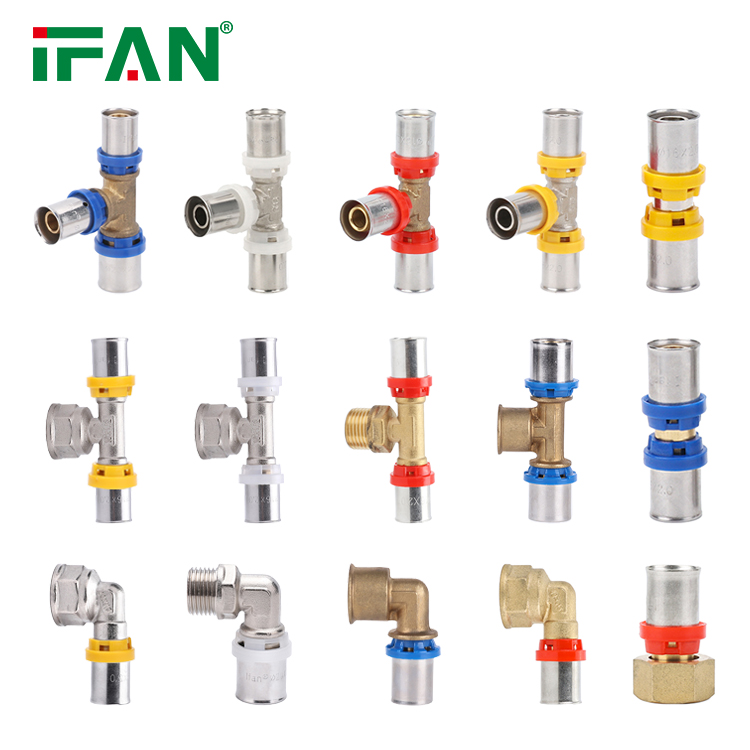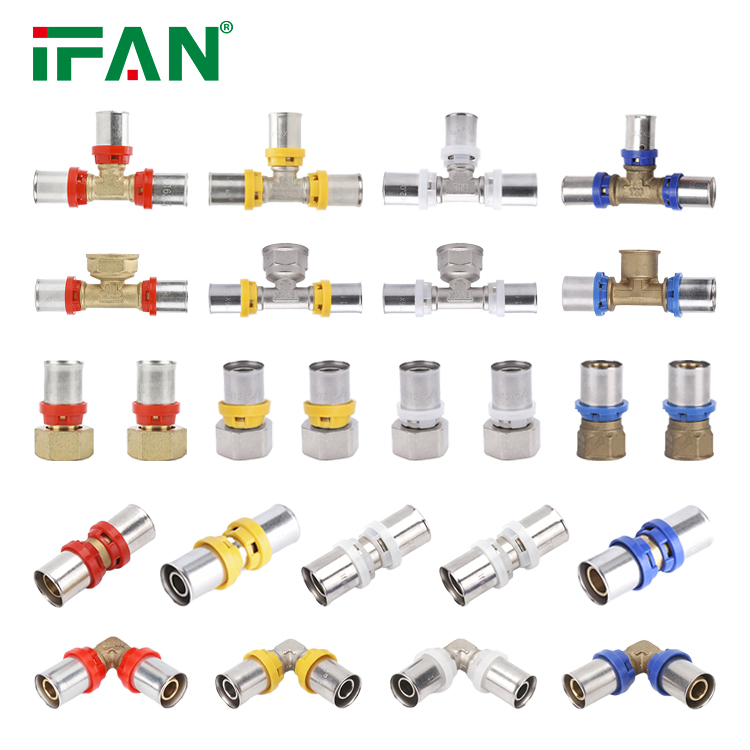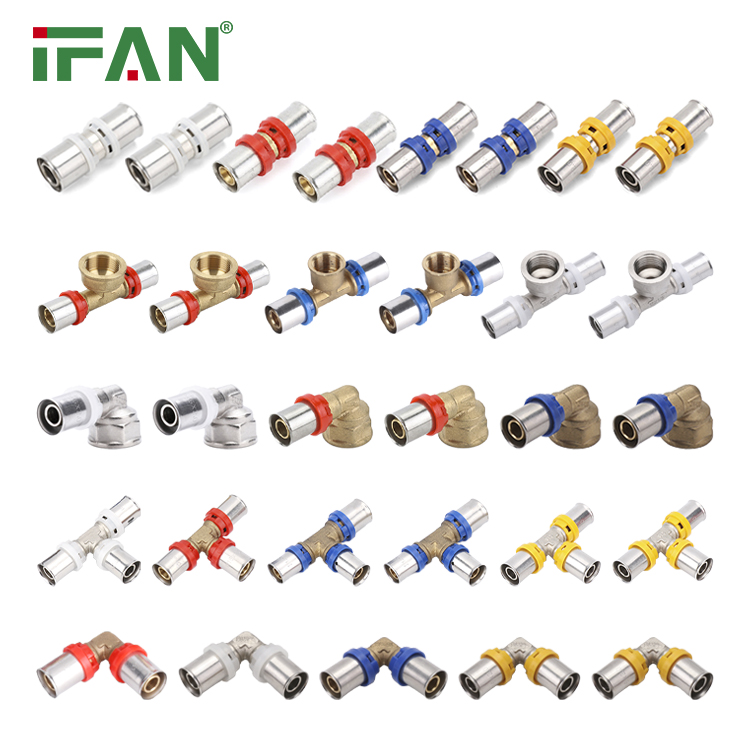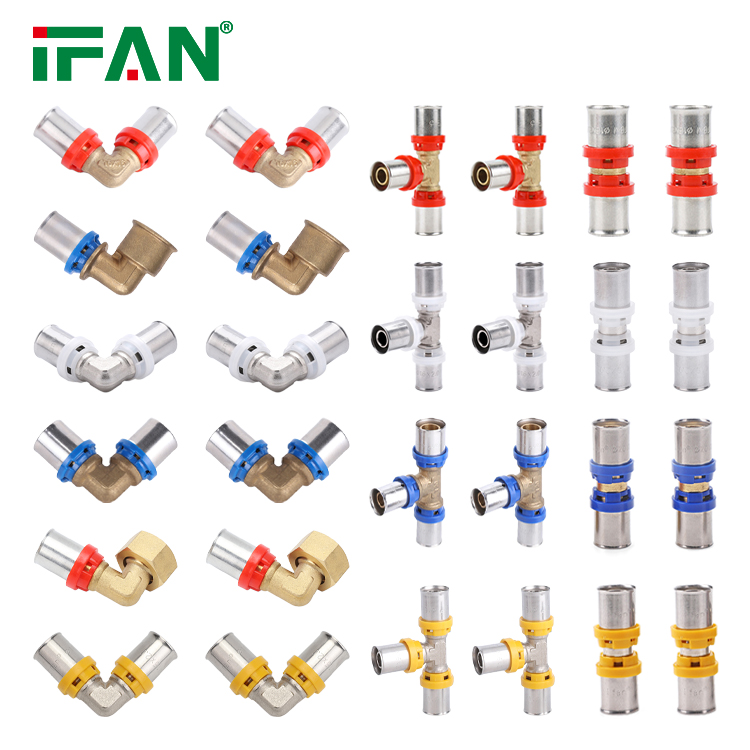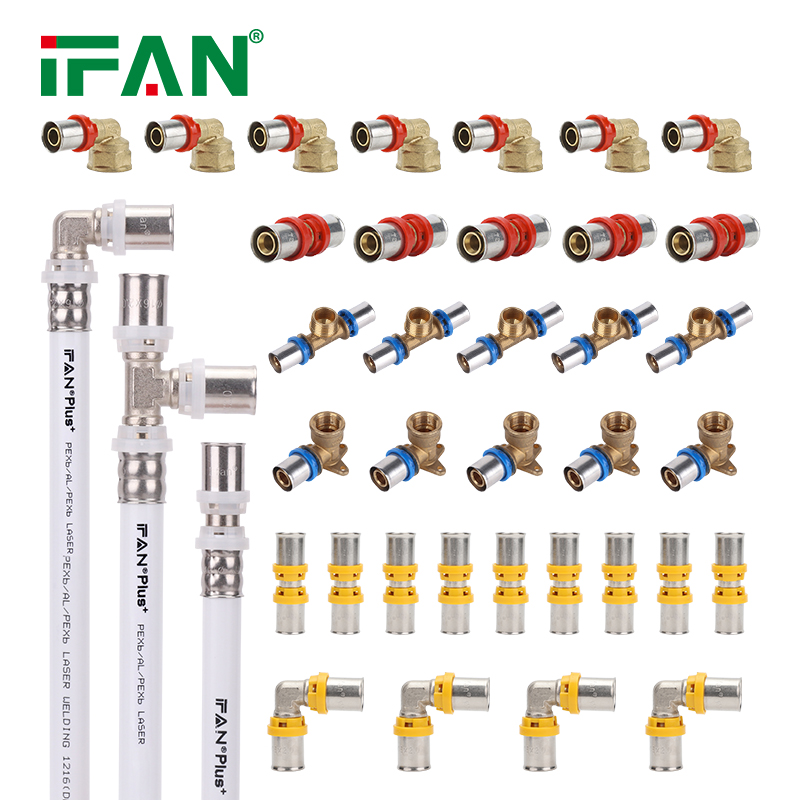
IFAN factory 30+ years manufacture experience support color /size customization support free sample.Welcome to consult for catalog and free samples.This is our Facebook Website:www.facebook.com,Click to watch IFAN’s product video.Compared with Tomex products, our IFAN products from quality to price are your best choice, welcome to buy!
Brass fittings are a staple in plumbing, heating, and mechanical systems. They are designed to withstand a variety of challenging environments, including high-pressure and high-temperature applications. Thanks to the unique properties of brass, these fittings are known for their strength, durability, and resistance to corrosion, making them the go-to choice for many industries. In this article, we will explore how brass fittings stand up to high pressure and temperature, their advantages, and how to maintain their performance.
What Are Brass Fittings?
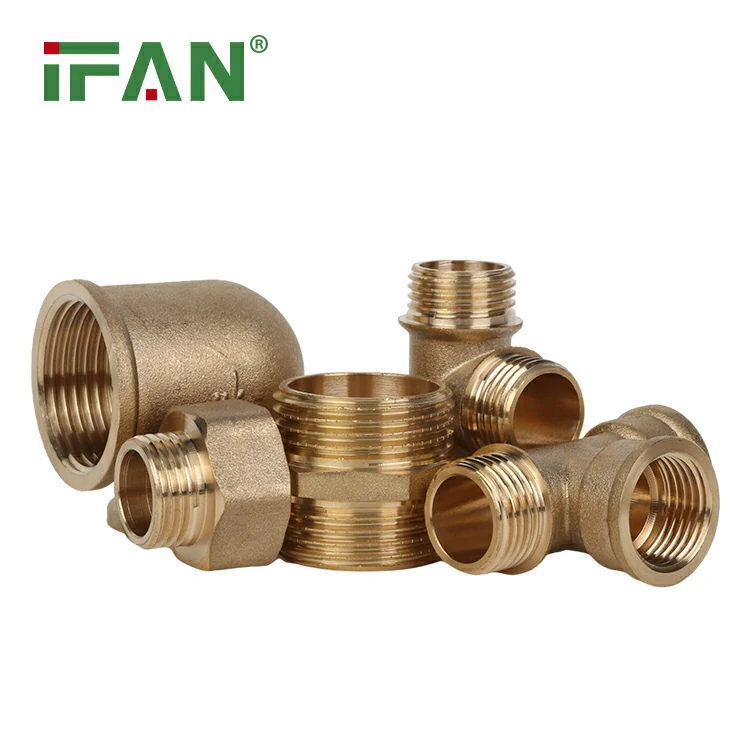
Brass fittings are plumbing and mechanical components made from an alloy of copper and zinc. The combination of these two metals results in a material that is strong, resistant to corrosion, and highly malleable. Brass fittings are commonly used to connect pipes, valves, and other plumbing components in various systems, including water, gas, and steam applications. These fittings come in various shapes, such as elbows, tees, couplings, and reducers, allowing for flexibility in design.
Why Brass Fittings are Ideal for High Pressure and Temperature
Brass fittings are ideal for use in high-pressure and high-temperature environments due to their excellent material properties. Here are some key reasons why they stand up well under these demanding conditions:
1. Strength and Durability
One of the key properties of brass is its high tensile strength, which makes it resistant to breaking under pressure. Brass fittings can withstand a significant amount of force without deforming or cracking. This makes them a reliable option for high-pressure systems, such as those found in water distribution, gas lines, and industrial processes.
Brass also has a high level of malleability, meaning it can be shaped without breaking. This allows brass fittings to be easily manufactured into complex shapes that can accommodate varying pipe sizes and directions while maintaining structural integrity under high pressure.
2. Corrosion Resistance
Brass fittings are known for their natural resistance to corrosion, which is essential in high-temperature and high-pressure systems. When exposed to extreme conditions, metals can corrode, leading to leaks and failure. However, brass’s resistance to corrosion allows it to maintain its strength and longevity in harsh environments, such as hot water systems, steam pipes, and industrial machinery.
The copper content in brass also helps prevent the formation of scale and mineral buildup, further enhancing its performance in hot water and steam applications.
3. Thermal Conductivity and Resistance to High Temperatures
Brass has good thermal conductivity, meaning it efficiently distributes heat across its surface. This property is beneficial in applications where temperature regulation is critical. Brass fittings can handle high temperatures without losing their mechanical strength, making them suitable for heating systems and steam lines.
Brass can withstand temperatures up to 400°F (204°C), and while this is lower than some other metals like stainless steel, it is still more than adequate for most residential, commercial, and industrial applications. For systems that operate at extremely high temperatures, manufacturers can provide brass alloys designed specifically to handle those conditions.
4. Expansion and Contraction Resistance
In systems that experience frequent temperature fluctuations, materials expand and contract as they heat up or cool down. Brass fittings are known to have a low thermal expansion rate, meaning they are less likely to warp, crack, or loosen when subjected to temperature changes. This makes brass fittings ideal for use in applications that experience both high pressures and temperature fluctuations, such as boilers, steam lines, and HVAC systems.
Applications of Brass Fittings in High Pressure and Temperature Environments
Brass fittings are widely used across various industries, particularly where high pressure and temperature are a concern. Here are some common applications:
1. Plumbing Systems
In residential and commercial plumbing systems, brass fittings are used to connect pipes that carry hot and cold water. They are commonly found in water supply systems, water heaters, and under-sink connections. Brass’s resistance to corrosion and its ability to handle high-temperature water make it an ideal choice for these applications.
2. Gas Lines
Brass fittings are also used in natural gas and propane systems. Gas lines operate under high pressure, and brass fittings are designed to provide a secure and leak-free connection. Brass’s ability to resist corrosion ensures that these fittings remain safe and functional over time.
3. Steam Systems
In industrial applications, brass fittings are used in steam lines where both high pressure and high temperatures are present. Brass’s ability to withstand elevated temperatures without losing strength or deforming makes it suitable for connecting pipes in steam boilers and heating systems.
4. Industrial Machinery
Brass fittings are commonly used in various industrial machinery systems that involve high pressures, such as hydraulic and pneumatic systems. These fittings are used to connect hoses and tubes carrying pressurized fluids or gases. The durability and thermal resistance of brass make it an ideal material for ensuring the longevity and efficiency of these systems.
Maintenance of Brass Fittings Under High Pressure and Temperature
While brass fittings are designed to stand up to high pressure and temperature, they still require regular maintenance to ensure optimal performance and longevity. Here are some essential tips for maintaining brass fittings:
1. Regular Inspections
Regularly inspect brass fittings for signs of wear, such as cracks, corrosion, or loose connections. Early detection of any issues can help prevent leaks and failures, especially in high-pressure systems where leaks can be dangerous.
2. Cleaning Brass Fittings
Keep brass fittings clean to prevent the buildup of mineral deposits, which can interfere with their performance. Use a soft cloth and mild soap to clean the fittings. Avoid using harsh chemicals or abrasives that can damage the surface.
3. Lubrication
For threaded brass fittings, applying a thin layer of appropriate lubricant or thread sealant can help prevent leaks and ensure a tight seal. This is especially important in systems that experience pressure fluctuations or thermal expansion.
4. Monitor Pressure and Temperature
Ensure that the pressure and temperature of the system do not exceed the recommended limits for the brass fittings. Over-pressurizing or exposing the fittings to temperatures beyond their capacity can lead to premature failure.
Conclusion
Brass fittings are an excellent choice for high-pressure and high-temperature environments. Their combination of strength, corrosion resistance, thermal conductivity, and resistance to expansion and contraction makes them ideal for a wide range of applications, from plumbing and gas lines to industrial machinery and steam systems. With proper maintenance and care, brass fittings can provide reliable, long-lasting performance, ensuring the safety and efficiency of your system.
Frequently Asked Questions (FAQs)
- How do brass fittings handle high temperatures?
Brass fittings can withstand temperatures up to 400°F (204°C), making them suitable for most high-temperature applications like water heaters, steam lines, and industrial machinery. - Are brass fittings resistant to corrosion?
Yes, brass fittings are highly resistant to corrosion, which makes them ideal for use in water, gas, and steam systems. Their copper content prevents mineral buildup and oxidation. - Can brass fittings be used in high-pressure systems?
Yes, brass fittings are designed to handle high-pressure systems, making them a reliable choice for water distribution, gas lines, and industrial applications. - How do I maintain brass fittings?
Regularly inspect brass fittings for wear, clean them with mild soap and a soft cloth, and apply lubricant to threaded connections. Monitoring pressure and temperature is also important for optimal performance. - Can brass fittings be used in gas lines?
Yes, brass fittings are commonly used in gas lines due to their ability to withstand high pressures and resist corrosion, ensuring a safe and secure connection.