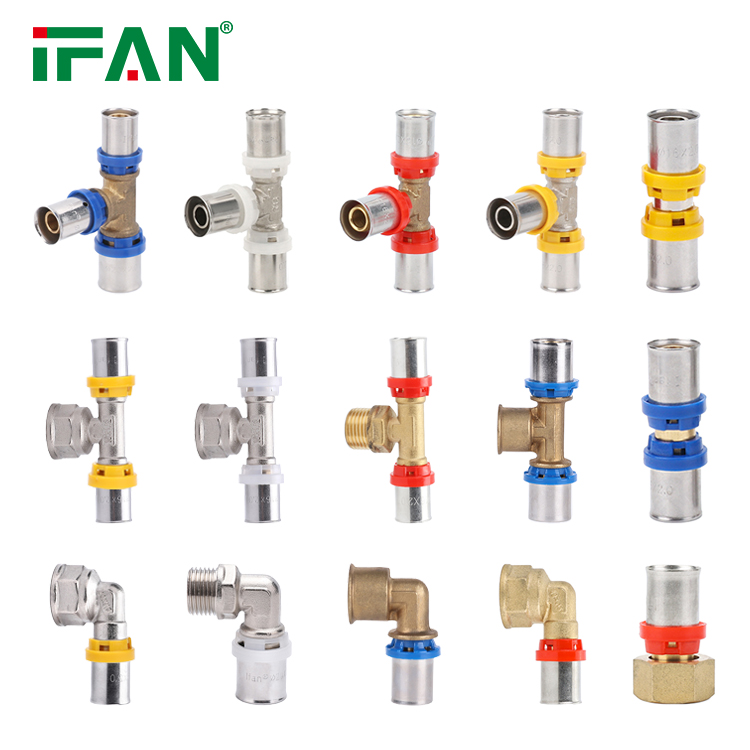
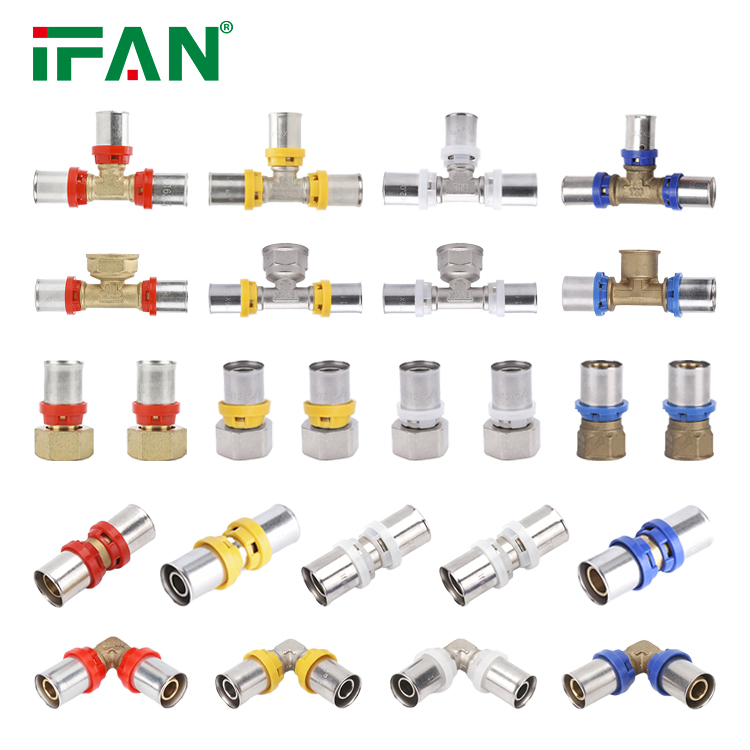
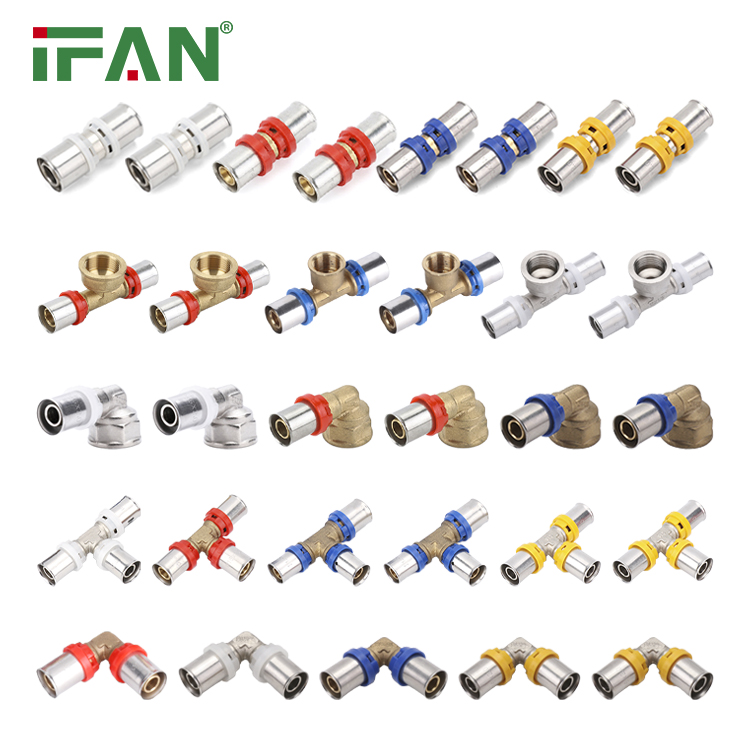
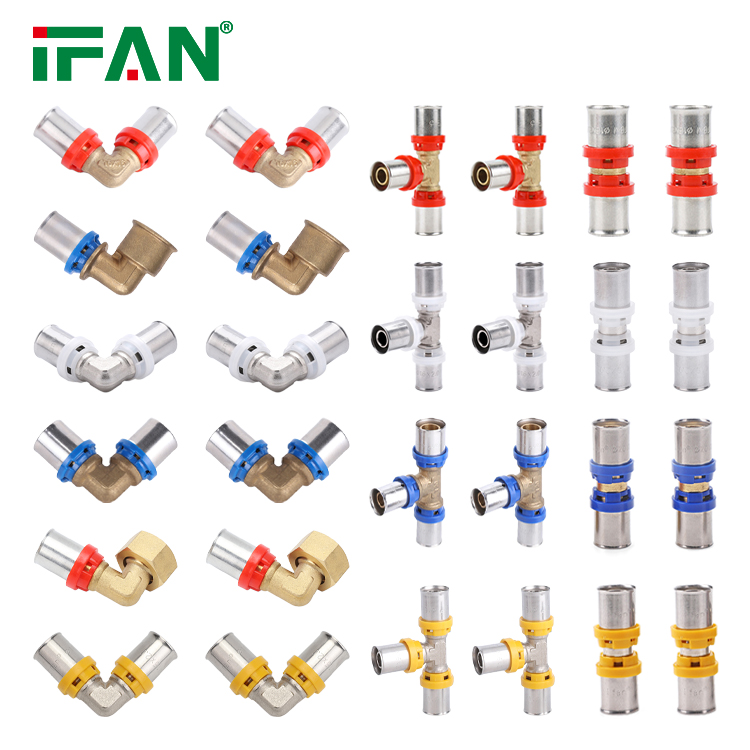
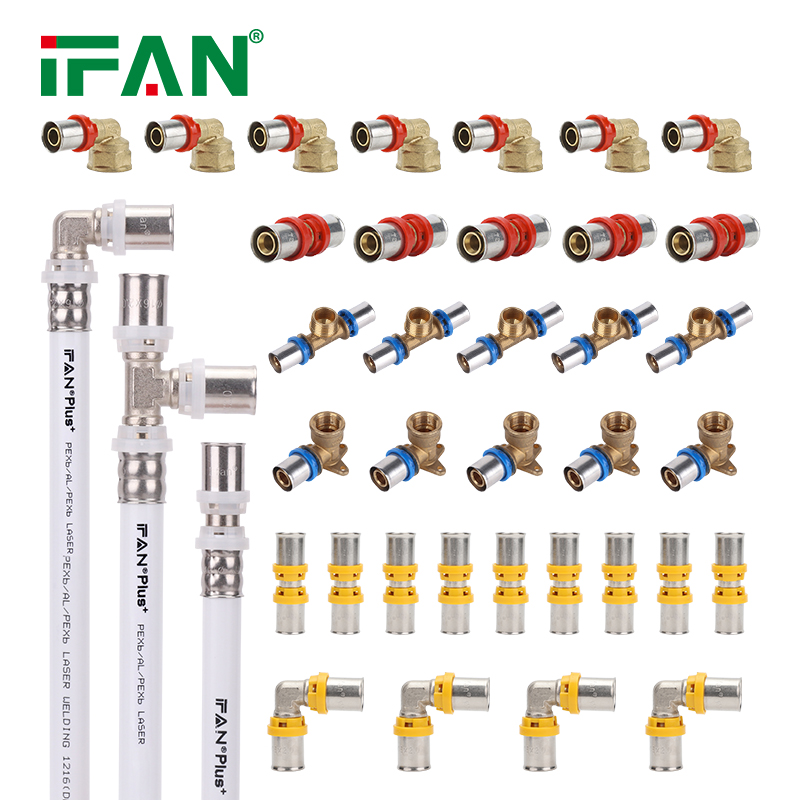
IFAN factory 30+ years manufacture experience support color /size customization support free sample.Welcome to consult for catalog and free samples.This is our Facebook Website:www.facebook.com,Click to watch IFAN’s product video.Compared with Tomex products, our IFAN products from quality to price are your best choice, welcome to buy!
Brass fittings play a crucial role in various industrial and commercial applications. These versatile components are used for connecting pipes, valves, and other systems, making them an essential part of plumbing, HVAC, and mechanical systems. Due to their unique properties, including strength, durability, and resistance to corrosion, brass fittings are the go-to choice for a wide range of applications. In this article, we’ll explore the role of brass fittings in industrial and commercial settings, highlighting their importance, benefits, and common uses.
What Are Brass Fittings?
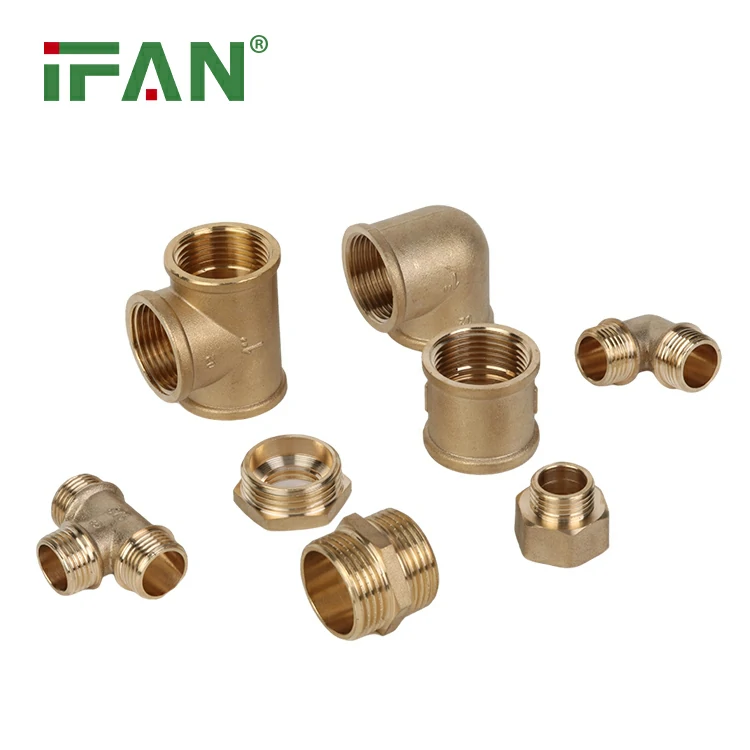
Brass fittings are mechanical components made from a copper-zinc alloy. Brass, being a highly durable and malleable material, is used to create fittings in various forms such as elbows, tees, couplings, reducers, and unions. These fittings are designed to connect pipes or tubing in systems that transport water, gas, air, or other fluids. The corrosion-resistant nature of brass makes it particularly useful in environments where durability and long-term performance are critical.
Why Are Brass Fittings Popular in Industrial and Commercial Applications?
Brass fittings are chosen for a variety of industrial and commercial applications because of their numerous advantages:
1. Durability and Strength
One of the main reasons brass fittings are widely used in industrial and commercial sectors is their strength and durability. Brass is a tough material that can withstand high-pressure conditions, making it ideal for use in systems that involve heavy-duty operations. Brass fittings are less likely to break or deform under pressure compared to other materials, ensuring the system remains intact and operational.
2. Corrosion Resistance
Brass is known for its excellent resistance to corrosion, which is a key consideration for fittings used in plumbing and HVAC systems. Over time, many metals corrode when exposed to moisture or harsh chemicals, but brass resists oxidation and rust. This makes it a reliable option in industrial and commercial systems that are exposed to wet or corrosive environments, such as water treatment facilities, gas lines, and heating systems.
3. Ease of Installation
Brass fittings are easy to install, saving both time and labor costs in industrial and commercial projects. They are designed to be user-friendly, often featuring threaded or compression designs that allow for quick and secure connections. Additionally, the malleability of brass makes it easier to manufacture and customize fittings to meet specific requirements.
4. Resistance to Temperature Fluctuations
Another significant advantage of brass fittings is their ability to withstand temperature fluctuations. Brass has a relatively low thermal expansion rate, meaning it does not expand or contract as much as other metals when exposed to temperature changes. This feature makes brass fittings suitable for applications that experience both high temperatures (such as steam lines or HVAC systems) and low temperatures (such as refrigeration units).
5. Versatility
Brass fittings come in a wide range of sizes, shapes, and configurations, making them highly versatile. This flexibility allows brass fittings to be used in various applications, from small residential plumbing systems to large industrial machinery. Whether it’s connecting water pipes, gas lines, or hydraulic systems, brass fittings can meet the demands of nearly any system.
Common Industrial and Commercial Applications for Brass Fittings
Brass fittings are used across numerous industries. Here are some of the most common applications in which brass fittings play a critical role:
1. Plumbing Systems
Brass fittings are extensively used in residential and commercial plumbing systems. They are commonly found in water supply systems, pipe connections, faucets, and water heaters. The corrosion resistance of brass ensures that the fittings can handle constant exposure to water without rusting, which is particularly important for systems that supply potable water.
2. Gas Systems
Gas lines, whether they carry natural gas or propane, often rely on brass fittings for secure and leak-free connections. Brass is resistant to corrosion and can handle the high-pressure demands of gas systems. Whether it’s in a residential kitchen, a commercial building, or an industrial facility, brass fittings ensure that gas is safely transported through pipes without risk of leakage.
3. HVAC Systems
Brass fittings are also commonly used in HVAC (Heating, Ventilation, and Air Conditioning) systems. HVAC systems rely on efficient fluid transport for heating and cooling, and brass fittings provide the durability and resistance needed in both high-pressure and low-pressure systems. In addition to their strength, brass fittings are also capable of handling the temperature fluctuations that are common in HVAC systems.
4. Industrial Equipment and Machinery
Brass fittings are often used in various industrial machinery applications, including hydraulic and pneumatic systems. In these systems, fluid or air is transported under pressure, and brass fittings provide a secure, leak-free connection between pipes, tubes, and valves. The durability of brass ensures that these systems remain functional over time, even under challenging conditions.
5. Steam Systems
In industries where steam is used as a power source or for heating, brass fittings are essential components of steam systems. Brass’s ability to handle high temperatures and pressures makes it ideal for connecting steam pipes and other critical components in power plants, manufacturing facilities, and large heating systems.
6. Water Treatment Plants
Water treatment plants use brass fittings in their systems to transport water and chemicals efficiently. Brass’s resistance to corrosion is crucial in these environments where metal components are exposed to both harsh chemicals and high moisture levels. Brass fittings ensure that the water treatment process remains operational without frequent replacements or maintenance.
Benefits of Using Brass Fittings in Industrial and Commercial Settings
Brass fittings offer several benefits that make them an ideal choice for a wide range of applications:
- Long Lifespan: Brass fittings are highly durable, ensuring that systems can operate for years without the need for frequent maintenance or replacement.
- Reliability: Brass fittings provide secure and leak-free connections, reducing the risk of system failures that could lead to costly downtime or hazardous situations.
- Cost-Effective: While brass fittings may be slightly more expensive than other materials, their longevity and low maintenance costs make them a cost-effective option in the long run.
- Wide Availability: Brass fittings are widely available and come in many different sizes and designs, making it easy to find the right fitting for any industrial or commercial system.
Conclusion
Brass fittings are an indispensable part of industrial and commercial systems due to their strength, durability, corrosion resistance, and versatility. Whether used in plumbing, gas lines, HVAC systems, industrial machinery, or steam systems, brass fittings provide reliable, long-lasting performance that ensures the smooth operation of various systems. As industries continue to require high-quality, dependable connections in their systems, brass fittings will remain a critical component in maintaining efficiency and safety.
Frequently Asked Questions (FAQs)
- What are brass fittings used for?
Brass fittings are used to connect pipes, valves, and other components in various systems, including plumbing, gas lines, HVAC systems, and industrial machinery. - Why are brass fittings resistant to corrosion?
Brass is an alloy made of copper and zinc, with copper providing natural corrosion resistance. This makes brass fittings ideal for environments exposed to moisture or chemicals. - Can brass fittings handle high-pressure systems?
Yes, brass fittings are designed to withstand high-pressure systems, making them suitable for applications such as gas lines and hydraulic systems. - How do brass fittings perform under temperature changes?
Brass fittings are resistant to temperature fluctuations, which makes them suitable for use in systems that experience both high and low temperatures, such as HVAC systems and steam lines. - How long do brass fittings last?
Brass fittings have a long lifespan due to their durability and corrosion resistance. With proper maintenance, they can last for many years without needing replacement.