How PPR Pipe Fittings Can Improve Your Building’s Plumbing System

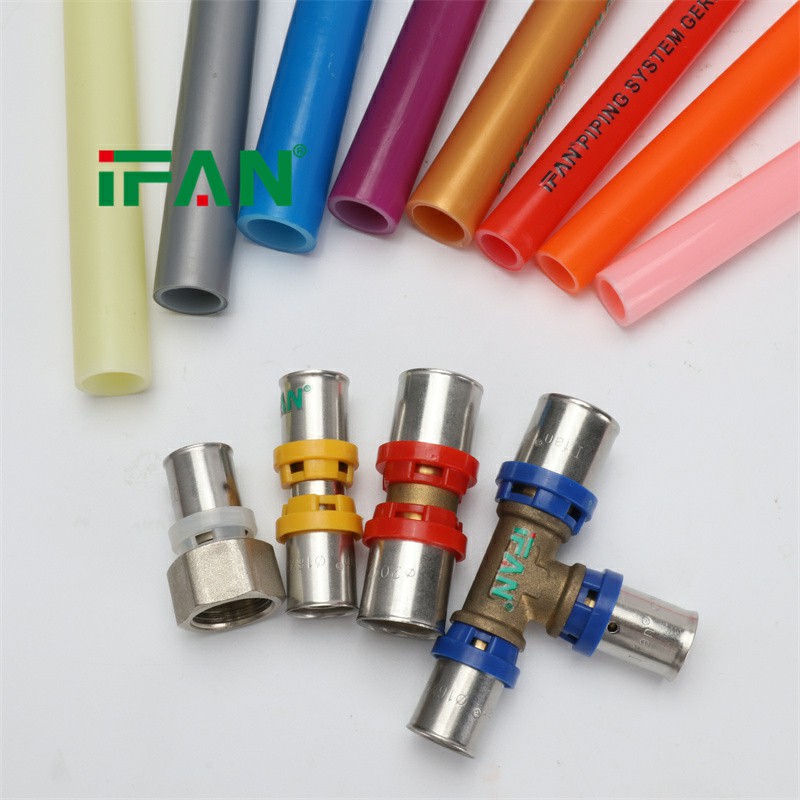
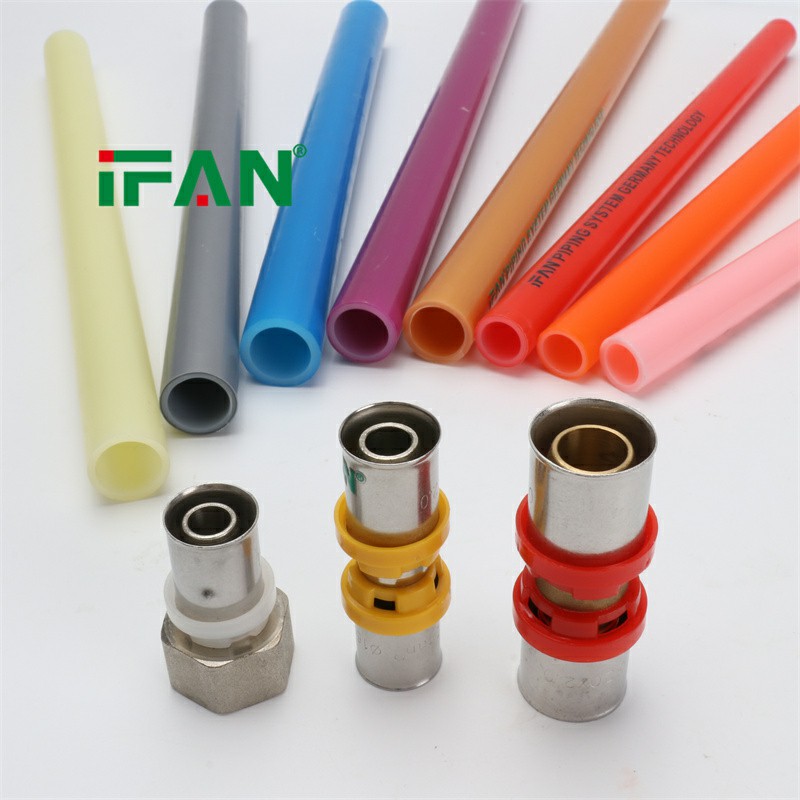
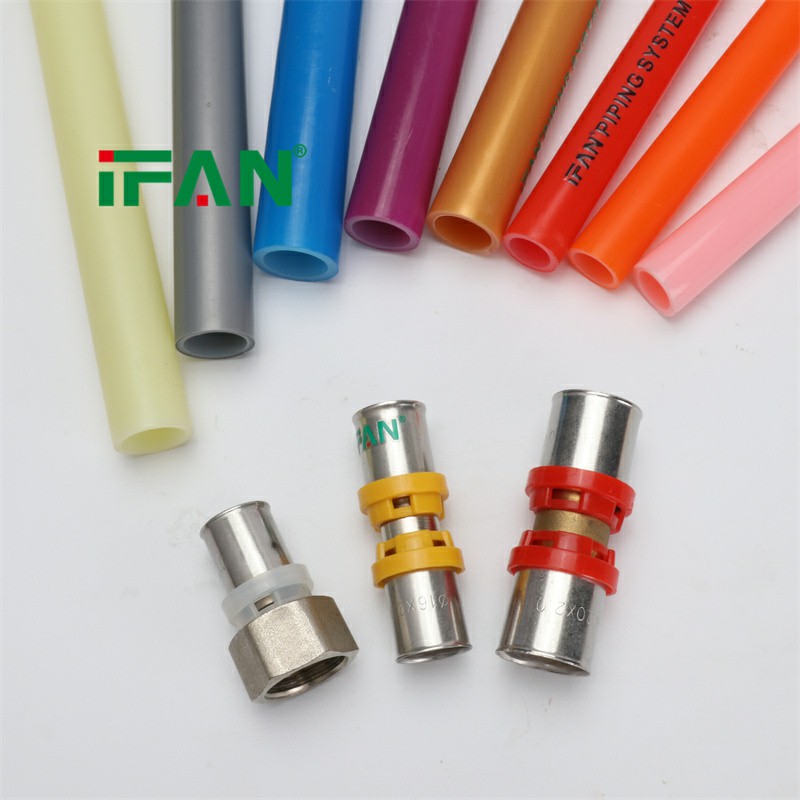
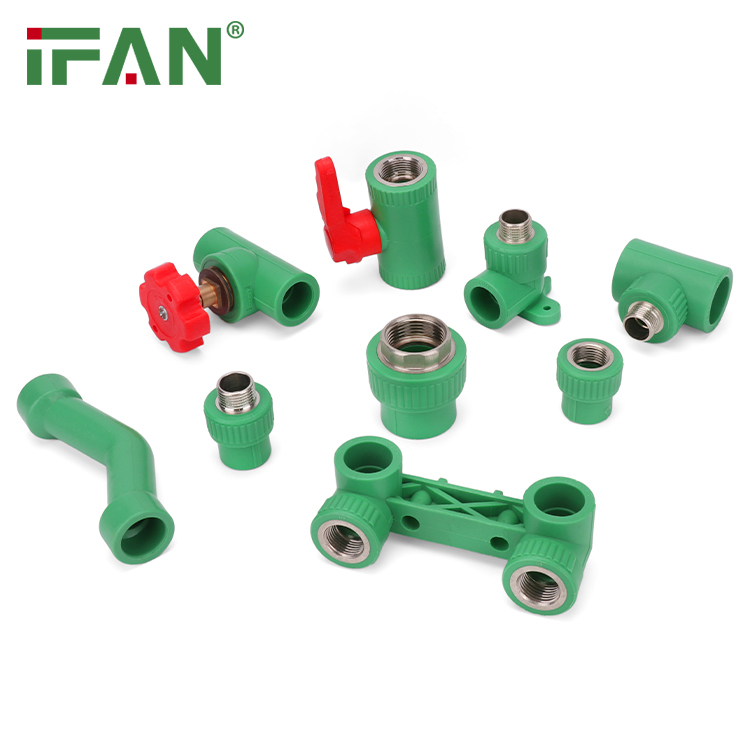
PPR pipe fittings are a popular choice for ensuring a high-quality plumbing system in buildings. Made of durable polypropylene materials, these fittings provide improved performance and longevity compared to traditional plumbing materials.

One of the key benefits of PPR pipe fittings is their flexibility and ease of installation. They can be easily cut and manipulated to fit any space, which makes them suitable for a wide variety of building designs and configurations. This makes them ideal for retrofit projects where plumbing systems may need to be updated or replaced.
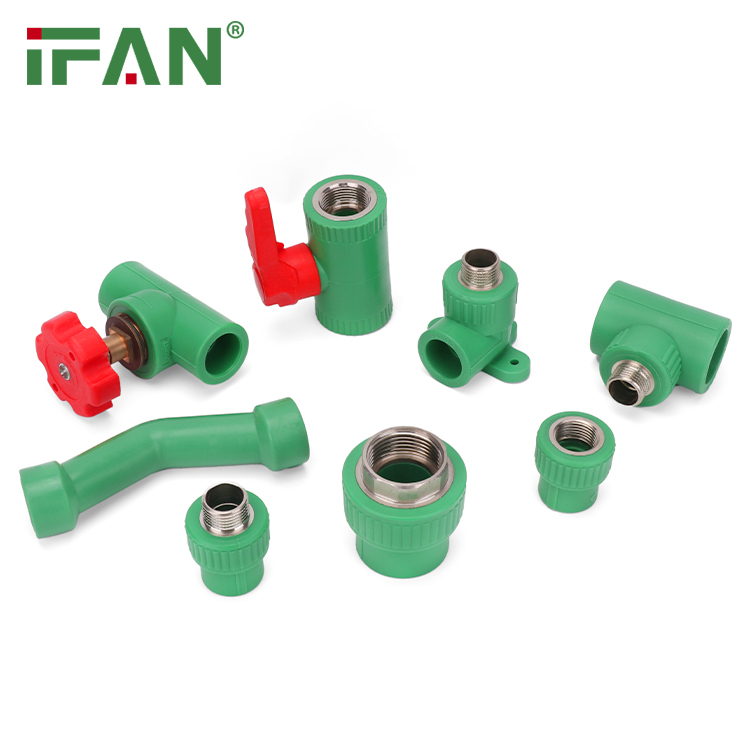
Another major advantage of PPR pipe fittings is their resistance to high temperatures and pressures. These fittings are designed to withstand the extreme conditions of hot water and steam, which makes them a reliable and safe choice for use in plumbing systems. Furthermore, they are resistant to corrosion and chemical damage, which ensures a longer lifespan for buildings that use PPR pipe fittings.

In addition, PPR pipe fittings are environmentally friendly and cost-effective compared to other materials. They are recyclable and can be reused for future projects, which helps reduce waste and minimize the environmental impact of building construction. Additionally, the durability and longevity of PPR pipe fittings translate into lower maintenance and replacement costs for building owners and managers.

Overall, PPR pipe fittings are an excellent choice for improving a building’s plumbing system. They provide a range of benefits that improve performance, reliability, and longevity while also being environmentally friendly and cost-effective. With their flexibility, durability, and resistance to damage, PPR pipe fittings are sure to provide a long-term solution for any plumbing system.
Share:

Facebook
Twitter
Pinterest
LinkedIn

Leave a Comment

Your email address will not be published. Required fields are marked *

On Key

Related Posts

O-Ring Sealing Technology in IFAN PEX Press Fittings

O-Ring Sealing Technology in IFAN PEX Press Fittings

The First Line of Defense Against Leaks In the architecture of a PEX press fitting, the stainless steel sleeve provides the mechanical grip, but the O-ring is the component responsible for the actual watertight seal. Without a perfectly functioning O-ring, pressurized water would easily bypass the mechanical connection. This small, elastomeric ring is subjected to

Stainless Steel Sleeve Design in IFAN PEX Press Fittings

Stainless Steel Sleeve Design in IFAN PEX Press Fittings

The Mechanical Backbone of a Reliable Joint While the brass body and O-ring handle the fluid containment, the stainless steel sleeve is the component that physically locks the PEX pipe to the fitting. This thin, cylindrical shell is subjected to immense force during the pressing process, permanently deforming to create a mechanical grip that lasts

IFAN PEX Press Fittings vs Crimp Fittings Performance Comparison

Two Distinct Methods for Securing PEX Connections As PEX piping continues to dominate modern plumbing and heating installations, the method used to connect the pipe becomes a critical decision. Two of the most common technologies are press fittings and crimp fittings. While both are designed to create reliable, long-lasting joints, they operate on fundamentally different

How IFAN PEX Press Fittings Create Permanent Leak-Proof Seals

How IFAN PEX Press Fittings Create Permanent Leak-Proof Seals

The Engineering Behind Reliable Mechanical Connections In modern plumbing and heating systems, the integrity of the connection points is just as critical as the quality of the pipe itself. A failure at a joint can cause significant water damage and costly downtime. As a result, press fitting technology has become a preferred method for joining

IFAN Brass Ball Valves in Irrigation and Agricultural Systems

IFAN Brass Ball Valves in Irrigation and Agricultural Systems

Meeting the Demands of Agricultural Fluid Control Agricultural irrigation systems operate under conditions that are far more punishing than typical residential plumbing. They face continuous exposure to the elements, highly variable water quality, and the constant need for reliable flow control across vast distances. In this environment, valves must be durable, easy to operate, and

Get Free Quote NOW