Is CPVC still used in new construction?
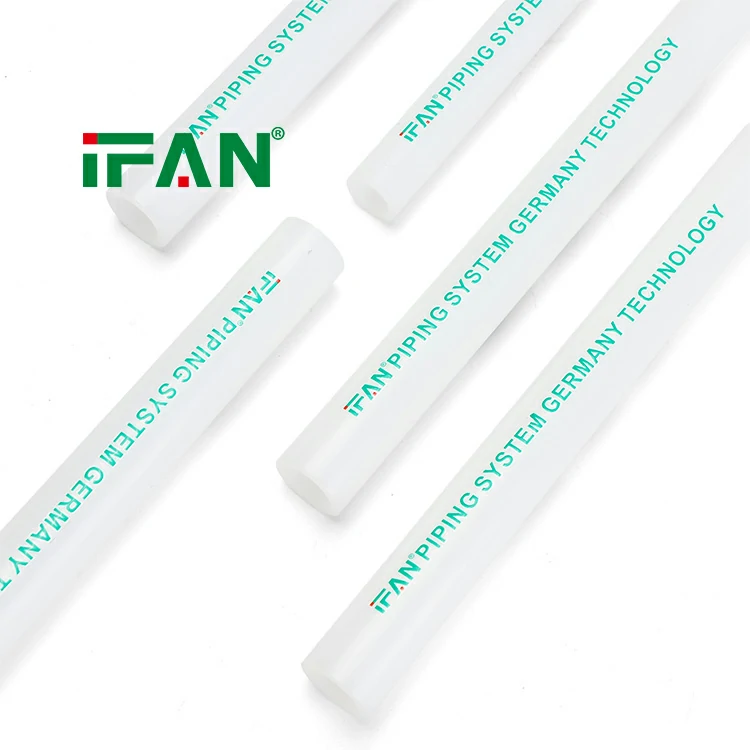
CPVC (chlorinated polyvinyl chloride) pipes continue to be used in new construction for various plumbing applications. Here are some key points regarding the usage of CPVC in new construction:
1. Advantages of CPVC: CPVC pipes offer several advantages that make them a popular choice in new construction. These advantages include high-temperature resistance, chemical resistance, durability, ease of installation, and affordability compared to some other plumbing materials.

2. Plumbing Applications: CPVC pipes are commonly used in new construction for hot and cold water supply systems, as well as for other plumbing applications such as irrigation, radiant floor heating, and fire sprinkler systems.
3. Code Compliance: CPVC pipes are approved for use in plumbing systems and comply with relevant building codes and regulations. It is important to follow local codes and standards to ensure proper installation and use of CPVC pipes in new construction projects.
4. Long-Term Performance: When installed correctly and used within their specified temperature and pressure limits, CPVC pipes have demonstrated long-term performance and reliability. Proper maintenance and periodic inspections can further ensure their longevity and functionality.
5. Alternatives: While CPVC is still widely used in new construction, there are other pipe materials available that may be suitable for specific project requirements. It is important to consider factors such as temperature and pressure requirements, chemical compatibility, local codes, and budget constraints when choosing the most appropriate pipe material.
It is recommended to consult with plumbing professionals or experts to determine the best pipe material for specific new construction projects based on the desired performance characteristics, local regulations, and project requirements.