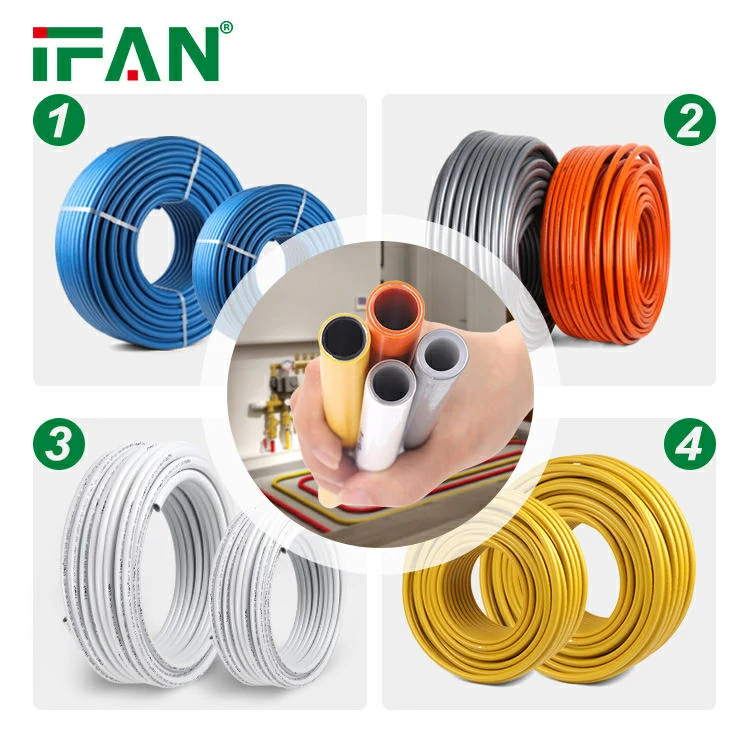
ISO 15874 Maintenance-Free ISO 15874 Brass Bibcocks for Your Convenience

Title: Advantages of Maintenance-Free ISO 15874 Brass Bibcocks for Your Convenience

Introduction
ISO 15874 brass bibcocks are an important part of plumbing systems used for controlling and regulating the flow of water. These bibcocks are designed to be maintenance-free and offer several advantages over traditional bibcocks.

  1. Durability
    The brass material used in ISO 15874 bibcocks is highly durable, making them resistant to wear and tear. This means they last longer and require less frequent replacements, reducing maintenance costs.
  2. Corrosion Resistance
    ISO 15874 bibcocks are highly resistant to corrosion, even when exposed to harsh chemicals or water conditions. This makes them ideal for use in industrial or coastal areas where corrosion is a common problem.
  3. Easy to Install
    Because of their modular design, ISO 15874 bibcocks are easy to install and can be configured to meet specific plumbing needs. This reduces installation time and ensures a more precise fit.
  4. Compatibility
    ISO 15874 bibcocks are compatible with all types of plumbing systems. They can be used for both hot and cold water applications, making them a versatile option for a variety of settings.
  5. Safety
    ISO 15874 bibcocks are designed with safety in mind. They are equipped with pressure relief valves and other safety features, such as tamper-resistant locks, to prevent accidents and reduce the risk of damage to plumbing systems.

Conclusion
The advantages of ISO 15874 brass bibcocks make them an excellent choice for those seeking a maintenance-free, durable, and safe solution for their plumbing needs. Their easy installation and compatibility with all types of plumbing systems ensures that they are a versatile and convenient option for a range of settings.

Metadata: Maintenance-free, durable, corrosion-resistant, easy install, safety.
Share:

Facebook
Twitter
Pinterest
LinkedIn

Leave a Comment

Your email address will not be published. Required fields are marked *

On Key

Related Posts

PPR Pipe Stiffness Class and Its Effect on Buried Installations

Is Your Underground Pipe Slowly Getting Crushed Right Under Your Feet? Look, most people spend weeks picking tile colors and countertop materials during renovation. Then they throw some pipes in the ground, cover them up, and forget about them. Three years later — bathroom leaking, kitchen damp, water bill through the roof. You tear up

Understanding PNR and MOP Ratings on PPR Pipes

Don’t Just Check the Price — These Two Numbers on the Pipe Matter Most Let’s be honest — most people walk into a plumbing supply store and the first thing they ask is “how much per meter?” The seller gives a number, you compare it with another shop, and you buy the cheapest one. But

Threaded vs Socket Fusion PPR Fittings: Which One Should You Actually Pick?

Why This Question Matters More Than You Think Let’s be real. Most people walk into a plumbing store, see rows of PPR fittings, and just grab whatever looks cheap. That’s how leaks happen. That’s how basements flood at 2 AM. The difference between threaded and socket fusion fittings isn’t just technical — it’s the difference

PPR Pipe Pressure Loss and Friction Loss Charts Explained

Why Pressure Loss Matters More Than You Think Let’s be honest — nobody gets excited talking about pressure loss. But here’s the thing: every time you turn on a faucet and water trickles out like it’s thinking twice, that’s pressure loss doing its dirty work. In pipe systems, friction loss eats up your energy, kills

How to Calculate Thermal Expansion for Long PPR Pipe Runs | The Complete Guide

Why This Actually Matters for Your Piping System Alright, let’s be honest — nobody wakes up excited about thermal expansion calculations. But here’s the thing: if you’ve ever heard a PPR pipe bang, creak, or worse, seen a joint crack after months of hot water running through it, thermal expansion is probably the culprit. And

Get Free Quote NOW