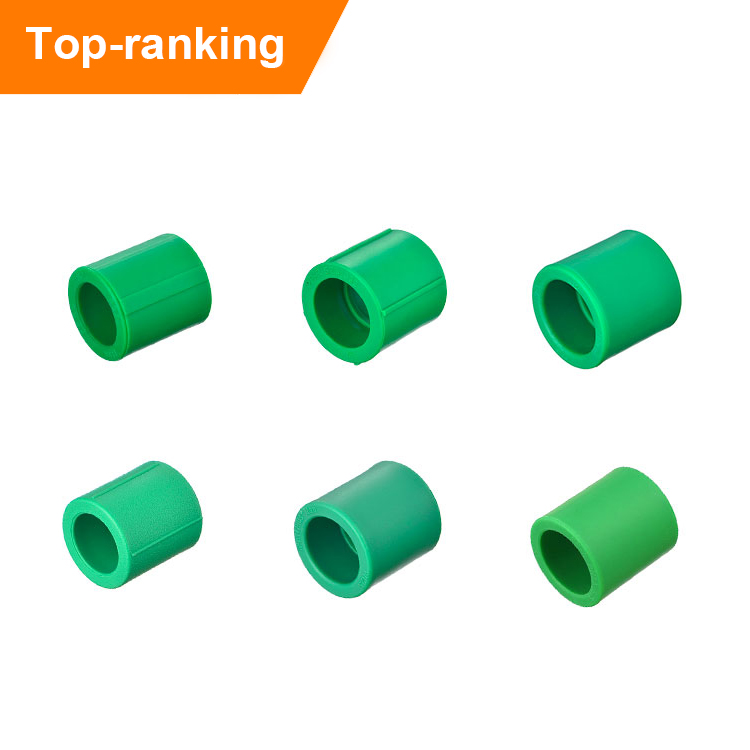
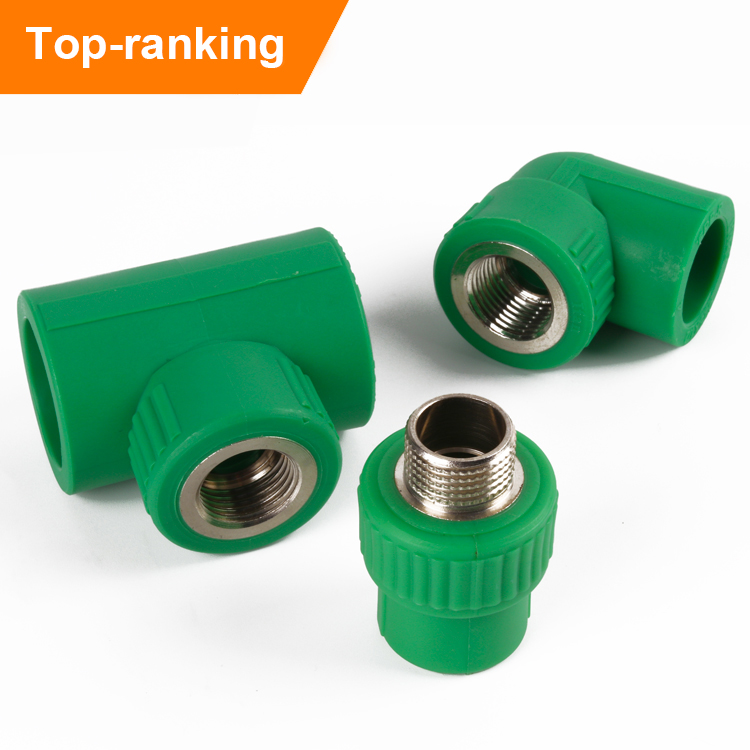
Introduction PPR (Polypropylene Random) elbows are an essential component in plumbing systems. They are used to change the direction of piping, ensuring smooth flow and efficient water distribution. Proper sizing of PPR elbows is crucial to maintain the integrity and functionality of the entire plumbing system. In this article, we will explore the key factors that need to be considered when sizing PPR elbows for plumbing systems.
- Pipe Diameter The first factor to consider when sizing PPR elbows is the diameter of the pipes being used in the plumbing system. The size of the elbow should match the diameter of the pipes to ensure a proper fit. Choosing an elbow with a smaller or larger diameter than the pipes can result in leakages, reduced water pressure, and overall inefficiency.
- Angle of Bend The angle at which the elbow is bent plays a significant role in determining its size requirements. PPR elbows are available in different angles, such as 45 degrees and 90 degrees. The angle of the bend should be chosen carefully based on the specific requirements of the plumbing system. It is crucial to select an elbow with the appropriate angle to ensure optimal flow and minimize pressure loss.
- Flow Rate The flow rate of water through the plumbing system is another critical factor to consider when sizing PPR elbows. Higher flow rates require larger diameter pipes and corresponding elbow sizes to allow smooth passage of water. Insufficiently-sized elbows can result in restricted flow, increased turbulence, and potential blockages in the plumbing system.
- Pressure Rating The pressure rating of the PPR elbows should align with the maximum pressure expected in the plumbing system. It is essential to choose elbows that can withstand the required pressure to ensure durability and prevent damage or failure under high-pressure conditions. Using elbows with inadequate pressure ratings can lead to leaks, bursts, and costly repairs.
- Material Quality The quality of the PPR elbow material is crucial for long-term performance and reliability. It is recommended to select elbows made from high-quality materials that comply with industry standards. Inferior materials may degrade over time, compromising the structural integrity of the elbow and potentially causing leaks or breakages in the plumbing system.
Conclusion Proper sizing of PPR elbows is vital for the efficient functioning of plumbing systems. Considering factors such as pipe diameter, angle of bend, flow rate, pressure rating, and material quality will ensure that the elbows are appropriately sized and capable of withstanding the demands of the system. By selecting the right PPR elbows, you can ensure a reliable and durable plumbing system that provides efficient water distribution and minimal maintenance requirements.