Maintaining and Repairing PPR Fittings: Tips and Tricks
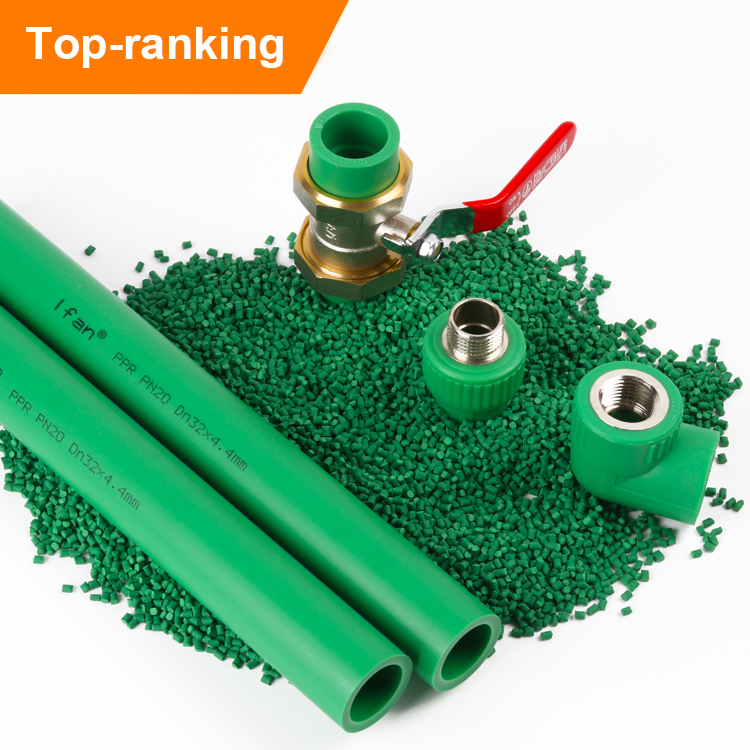
PPR (Polypropylene Random Copolymer) is a thermoplastic material that is widely used in plumbing systems because of its high temperature and pressure resistance, as well as its durability and longevity. PPR fittings, in particular, are an essential component of any plumbing system, as they connect the pipes and allow water to flow from one place to another.
Maintaining and repairing PPR fittings may seem daunting at first, but with the right tips and tricks, you can ensure your system continues to function smoothly for years to come.
Regular Maintenance
The first step in maintaining your PPR fittings is to perform regular maintenance. This can include inspecting the pipes and fittings for any signs of wear or damage, such as leaks, cracks, or discoloration. You should also clean the fittings and pipes regularly to prevent clogs and maintain optimal water flow.
Proper Installation
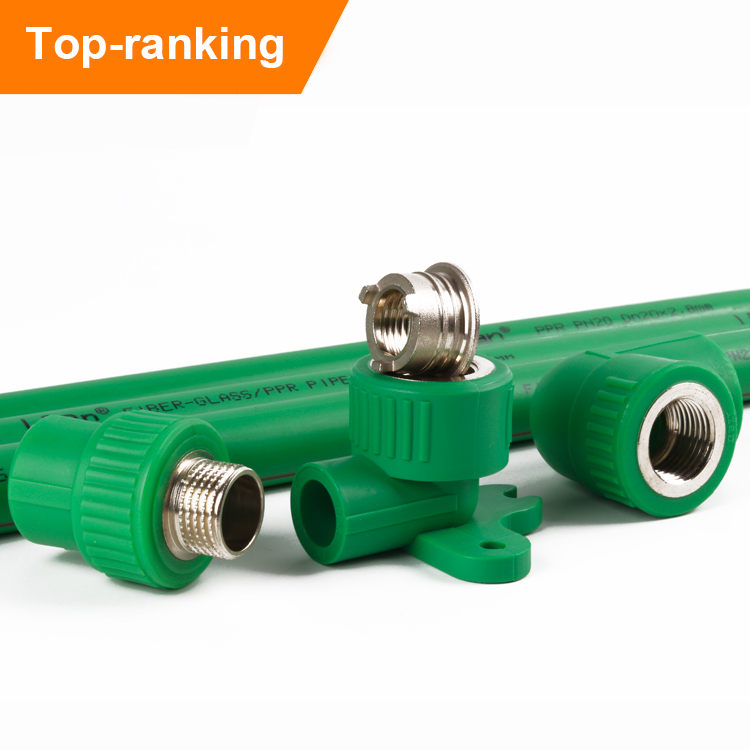
To ensure your PPR fittings and pipes work properly and function well for a long time, it is essential to have them installed correctly. Avoid using makeshift installations, such as using wood or metal brackets to support the pipes. Ensure that the fittings are firmly attached to the pipes and that the pipes are in the correct position before securing them in place.
Repairing PPR Fittings
Sometimes, despite your best efforts, your PPR fittings may need repairing. In this case, it is best to seek professional help. However, there are some minor repairs you can undertake yourself. If you notice small cracks or leaks, you can try using a PPR repair kit to seal the leaks. These kits are readily available online and are easy to use. However, if the damage is significant, it is best to seek expert help to ensure that the repairs are handled correctly.
Conclusion
Maintaining and repairing PPR fittings are crucial for ensuring that your plumbing system remains healthy, functional, and efficient. Regular maintenance, proper installation, and addressing any repairs promptly can prevent costly repairs and prolong the lifespan of your plumbing system significantly. With a little effort and the right know-how, you can enjoy a problem-free plumbing system.