Common Mistakes to Avoid When Using PPR Fittings
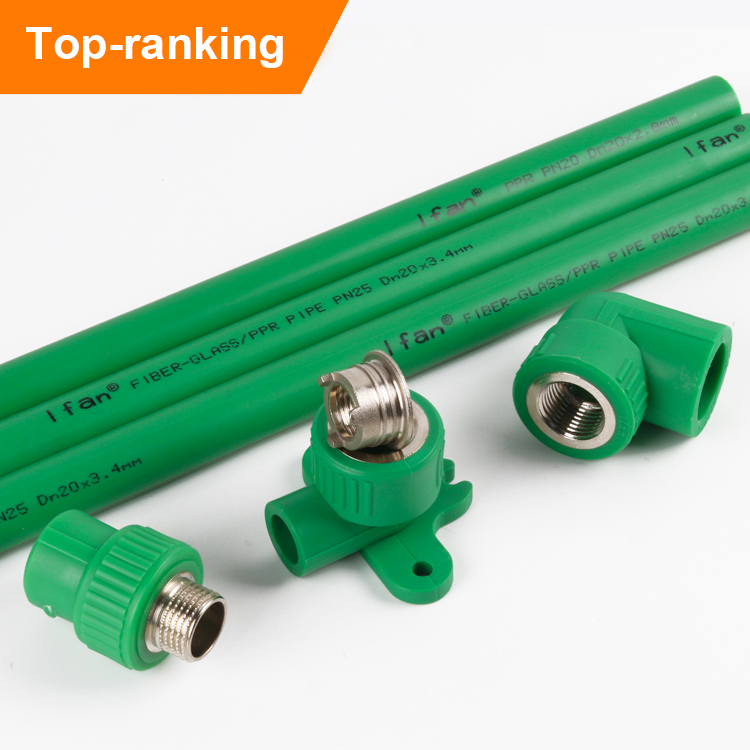
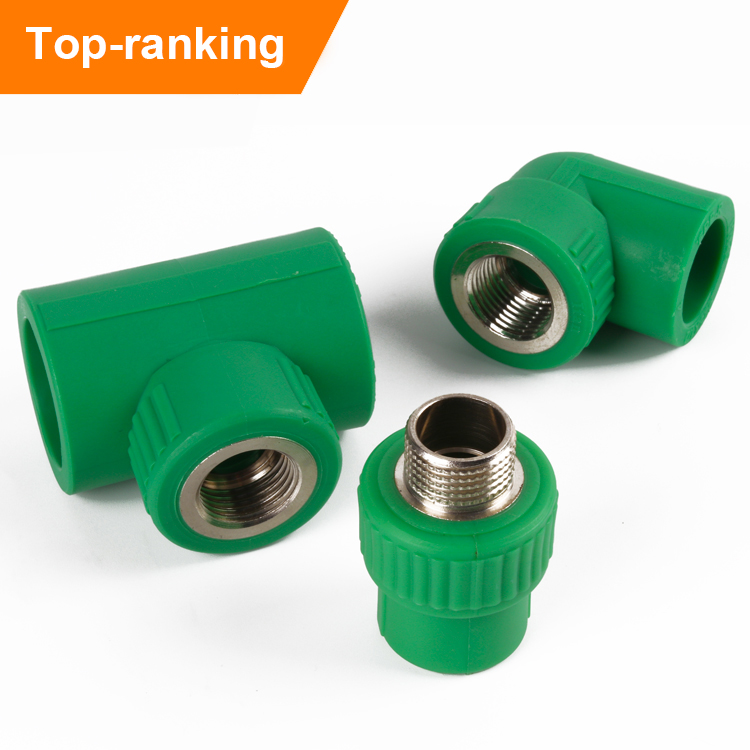
PPR (polypropylene random copolymer) fittings are becoming increasingly popular in the plumbing industry due to their durability and thermal resistance. However, when using PPR fittings, there are some common mistakes that you should avoid. In this article, we will discuss these mistakes and offer some tips on how to get the most out of your PPR fittings.
Using Incompatible Materials
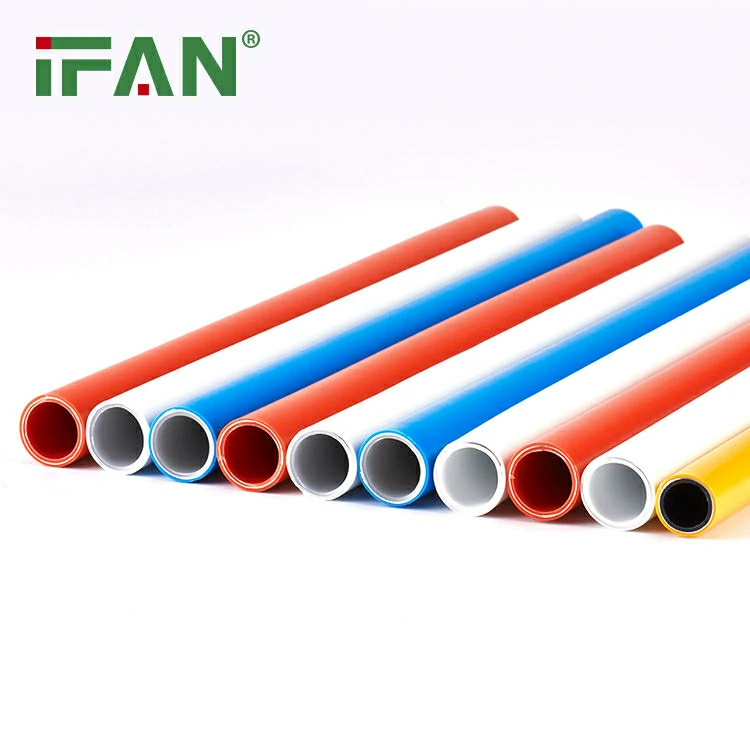
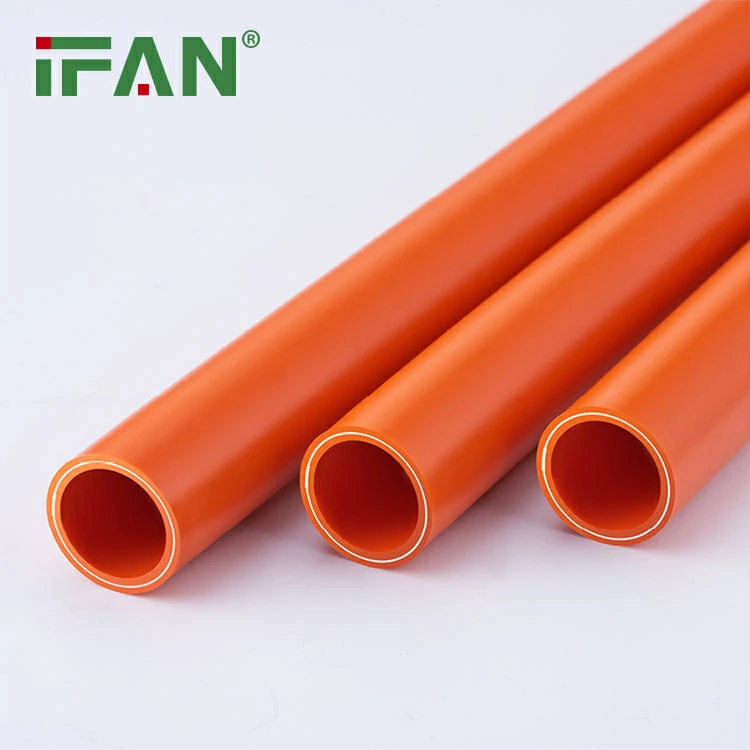
PPR fittings are designed to work with PPR pipes. Using incompatible materials, such as PVC pipes, can lead to leaks and other problems. It is important to use the same material for both the pipes and the fittings to ensure a secure and long-lasting connection.
Improper Installation
Improper installation is another common mistake to avoid when using PPR fittings. These fittings require special tools and techniques to ensure a proper connection. Failure to follow the manufacturer’s instructions or using the wrong tools can result in leaks and other problems. It is important to take your time during installation and ensure that each fitting is properly seated and secured.
Ignoring Temperature and Pressure Ratings
PPR fittings have specific temperature and pressure ratings that should not be exceeded. It is important to ensure that the fittings you purchase are rated for the application you have in mind. Ignoring these ratings can lead to leaks and system failure.
Over-tightening Fittings
Over-tightening fittings is another mistake that is often made when using PPR fittings. While it may seem like tightening the fitting as much as possible will ensure a secure connection, this can actually damage the fitting and lead to leaks. Follow the manufacturer’s instructions for tightening the fittings and avoid over-tightening.
Poor Joint Preparation
Proper joint preparation is crucial when using PPR fittings. Failure to prepare the joint surfaces properly can compromise the integrity of the connection and lead to leaks. Always clean and prepare the joint surfaces according to the manufacturer’s instructions before installing the fitting.
Skipping Testing
Finally, skipping the testing phase can lead to problems down the line. It is important to test the system for leaks before putting it into full use. This can help you identify any issues early on and prevent further problems.
In conclusion, by avoiding these common mistakes and following the manufacturer’s instructions, you can ensure a secure and long-lasting connection when using PPR fittings. Take your time during installation, use the right tools, and don’t hesitate to test the system for leaks. With these tips in mind, you can get the most out of your PPR fittings and enjoy a reliable plumbing system.