Mastering the Art of Installing Brass Fittings: A Step-by-Step Tutorial
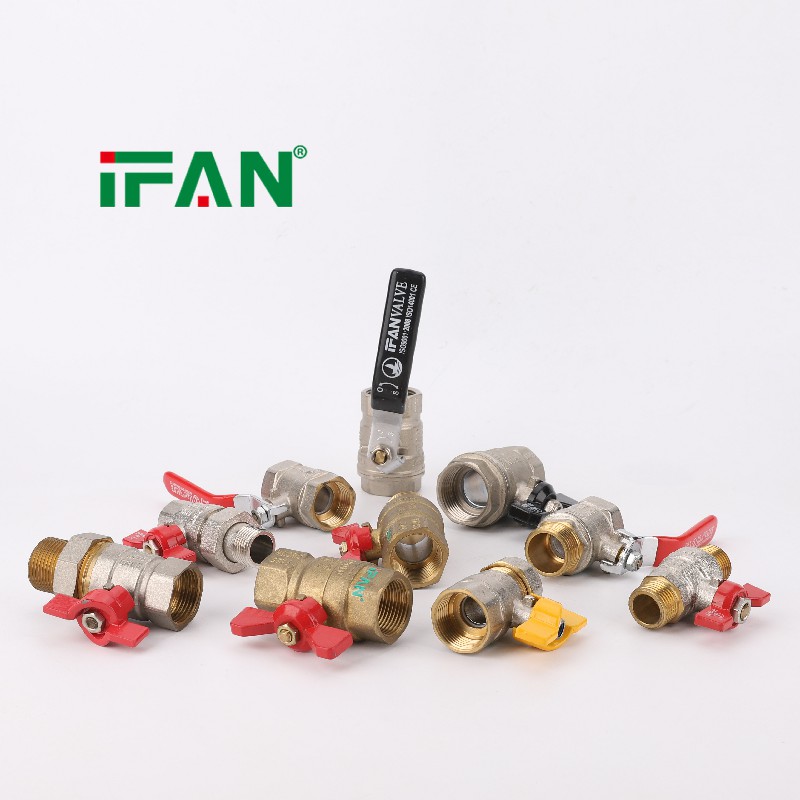
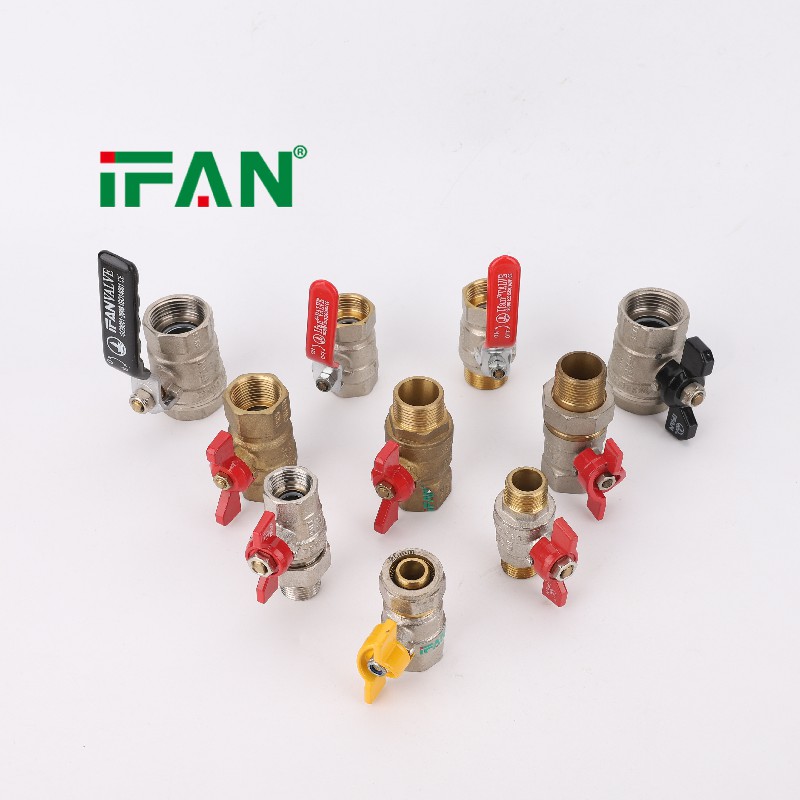
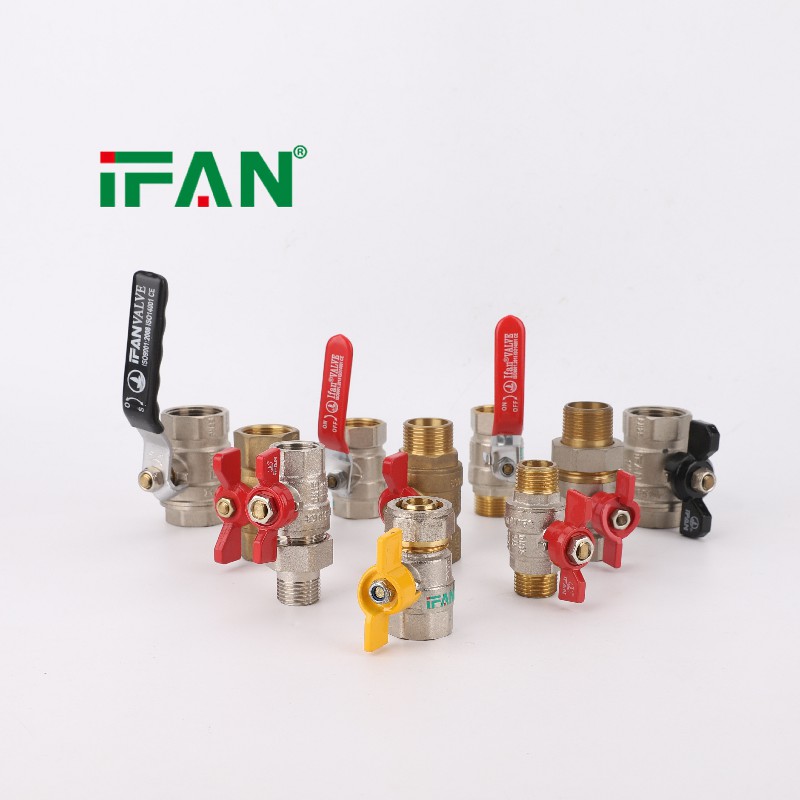
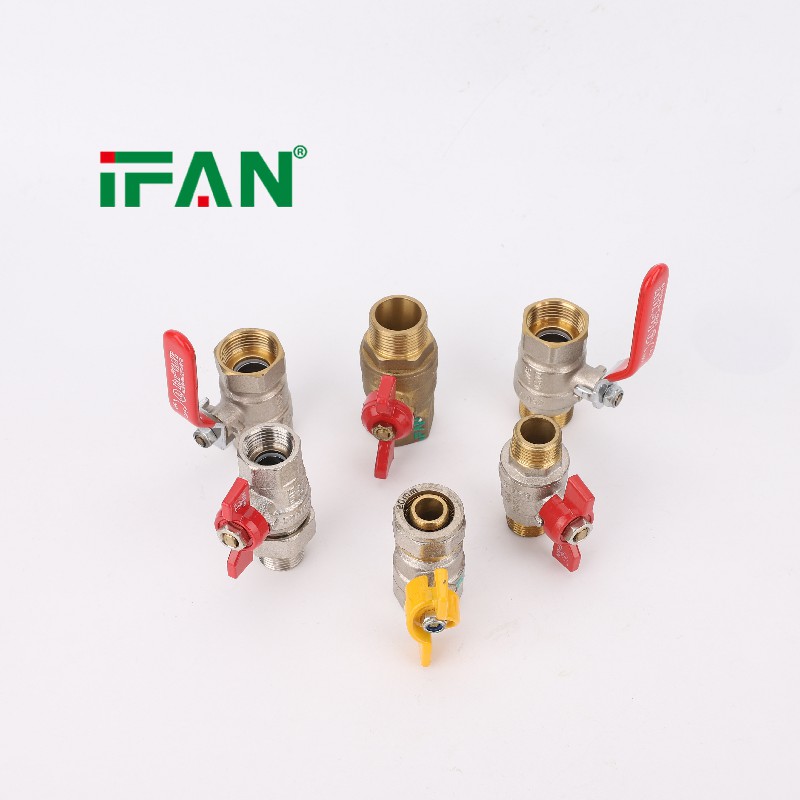
Brass fittings are highly versatile and durable plumbing components that can be used for a variety of purposes. Whether you are a seasoned plumber or a DIY enthusiast, mastering the art of installing brass fittings can save you time and money on repairs and upgrades. In this step-by-step tutorial, we will guide you through the basics of installing brass fittings and help you achieve professional-grade results.

The Benefits of Brass Fittings
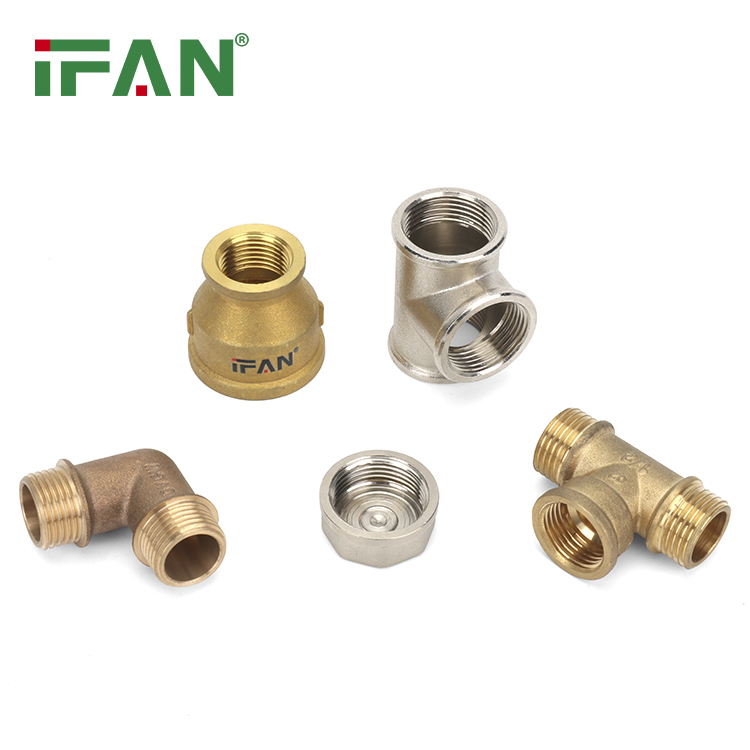
One of the key advantages of brass fittings is their corrosion-resistant properties. Unlike other materials, brass is highly resistant to rust and decay, making it ideal for use in plumbing systems where water exposure is a factor. Brass fittings are also easy to install and can be used with a wide range of pipe materials, including copper, PVC, and galvanized steel. They are also highly durable and can withstand high temperatures and pressure, making them ideal for use in both residential and commercial plumbing applications.
Step-by-Step Guide to Brass Fitting Installation
Before you begin installing brass fittings, it is important to gather the necessary tools and materials. You will need a pipe cutter, a deburring tool, Teflon tape, a wrench, and the brass fitting of your choice. Once you have these items, follow these steps:
Step 1: Cut the pipe – using a pipe cutter, slice the pipe to the desired length.
Step 2: Deburr the pipe – use a deburring tool to smooth the cut edge of the pipe.

Step 3: Wrap the pipe threads – wrap the pipe threads with Teflon tape to ensure a tight seal.
Step 4: Attach the fitting – using a wrench, screw the brass fitting onto the end of the pipe.
Step 5: Tighten the fitting – use the wrench to tighten the fitting until it is snug against the pipe.
Step 6: Check for leaks – turn on the water supply and check for leaks or drips around the fitting. If necessary, tighten the fitting further.

Taking the Next Step
Now that you know how to install brass fittings, it is time to take the next step and upgrade your plumbing system. Brass fittings offer many advantages over other materials, including durability, corrosion resistance, and ease of installation. By following these simple steps, you can achieve professional-grade results and enjoy a plumbing system that is reliable and efficient.
In conclusion, mastering the art of installing brass fittings is a skill that can save you time, money, and headaches. With its numerous advantages and durability, brass fittings are a valuable addition to any plumbing system. By following these step-by-step instructions, you will be able to install brass fittings like a pro and reap the many benefits they offer.