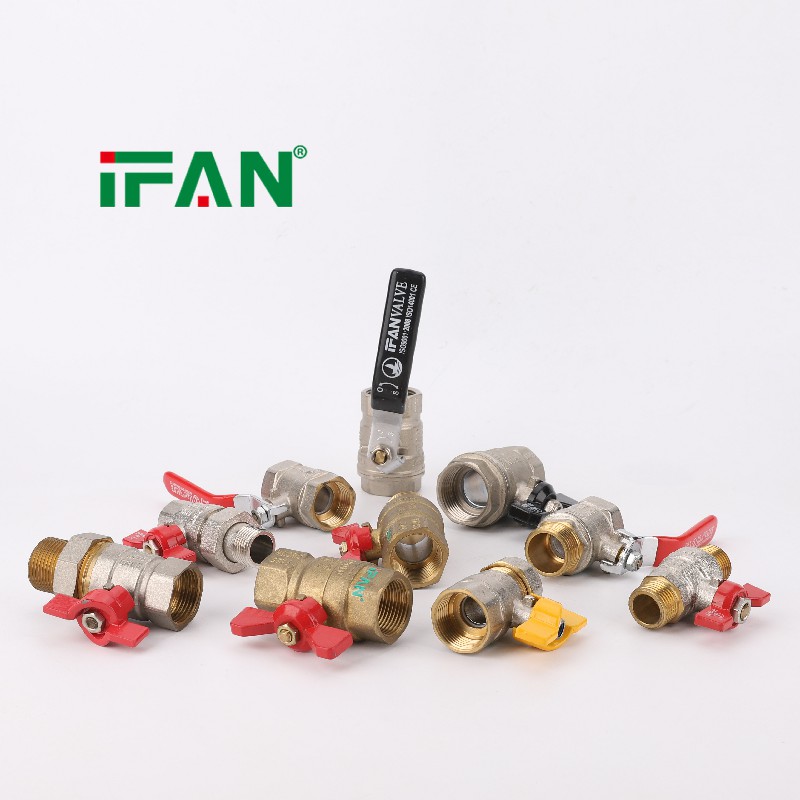
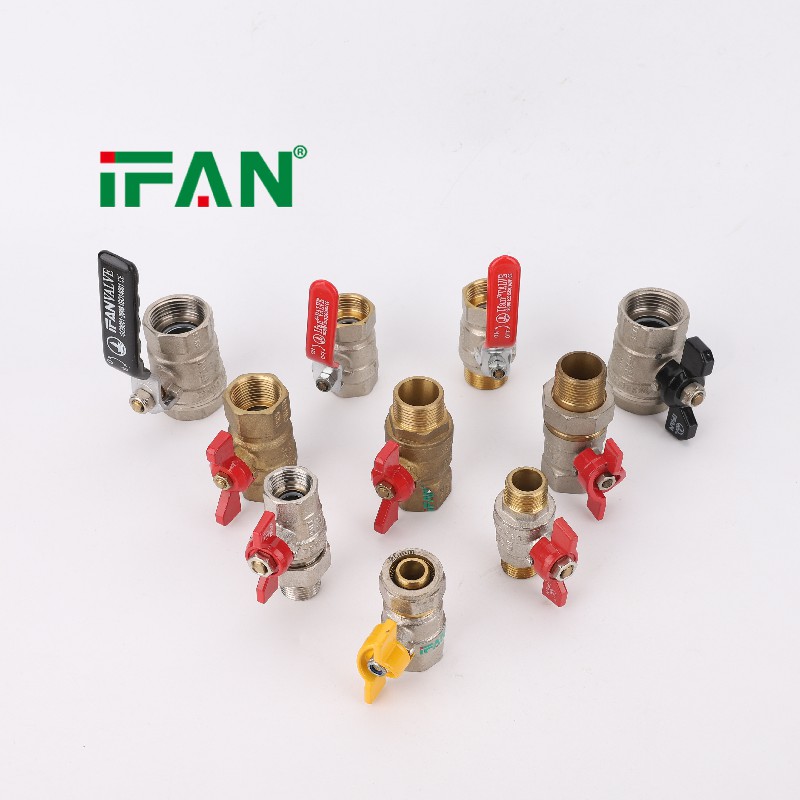
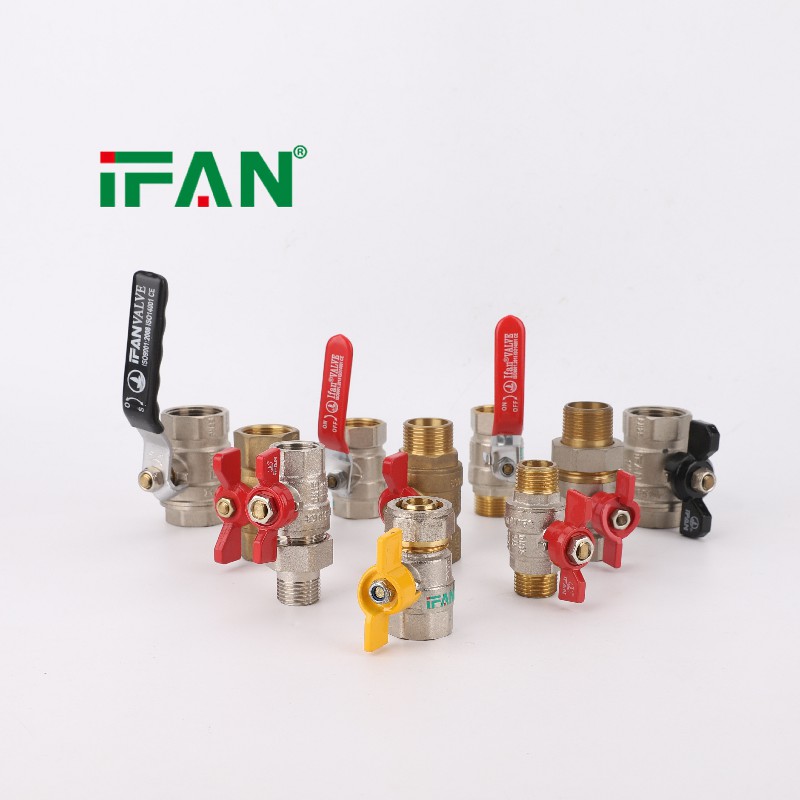
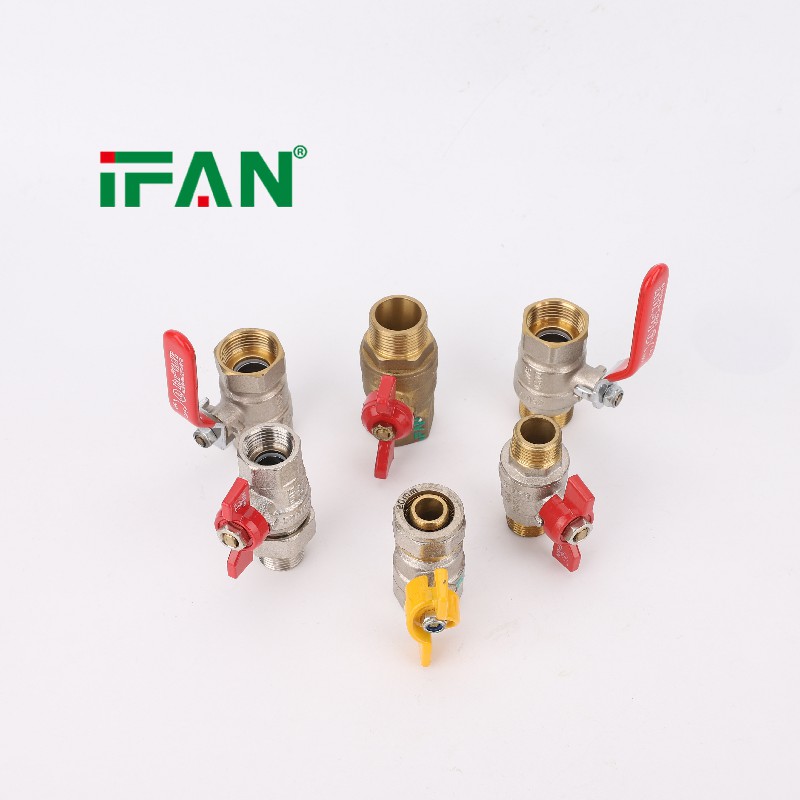
The Future of Brass Fittings: Innovative Technologies and Applications
As the world becomes increasingly connected, the demand for efficient, reliable, and durable products is on the rise. Brass fittings have been a staple in plumbing and industrial applications for decades, but recently, they have been experiencing an evolution that promises a brighter future for these products. Innovative technologies have been introduced to help improve the functionality and durability of brass fittings, making them more efficient and versatile than ever before. In this article, we will explore some of the key features and benefits of brass fittings, highlighting their value in various applications.

Functionality
One of the key features of brass fittings is their versatility. They can be used in a wide range of applications, such as plumbing, heating, air conditioning, and industrial processes. Brass fittings are highly resistant to corrosion, which makes them ideal for use in harsh environments. They also have excellent thermal properties, making them suitable for use in high-temperature applications.
One of the most significant innovations in brass fittings is the introduction of push-to-connect technology. This technology allows for easy and quick installation, without the need for special tools or skills. This feature is particularly valuable in areas with tight spaces, where traditional installation methods may prove difficult.

Durability
Brass fittings are known for their robustness and longevity. They can withstand harsh conditions and last for many years. However, the introduction of new technologies has further enhanced their durability. For instance, fittings that feature an integrated o-ring help prevent leaks, which extend the product’s lifespan significantly. The advanced manufacturing processes that are used today also contribute to the overall durability of brass fittings, making them a reliable choice in various applications.

Value
In addition to their versatility and reliability, brass fittings offer excellent value for money. They are generally more cost-effective than other materials such as stainless steel, copper, or plastic. Moreover, the introduction of push-to-connect technology has reduced installation time and labor costs, making brass fittings an attractive option for both residential and industrial projects.
Conclusion
Innovative technologies have played a vital role in the evolution of brass fittings. The versatility, durability, and value that these fittings offer make them an excellent choice for various applications. The introduction of push-to-connect technology has further enhanced the functionality of brass fittings, making them easier to install, and reducing the overall project cost. As the world continues to advance, we can expect to see further innovation and enhancements in brass fittings. If you are considering brass fittings for your next project, you can rest assured that you are making an excellent choice.