Noise Reduction and Thermal Insulation with White PPR Fittings
Introduction
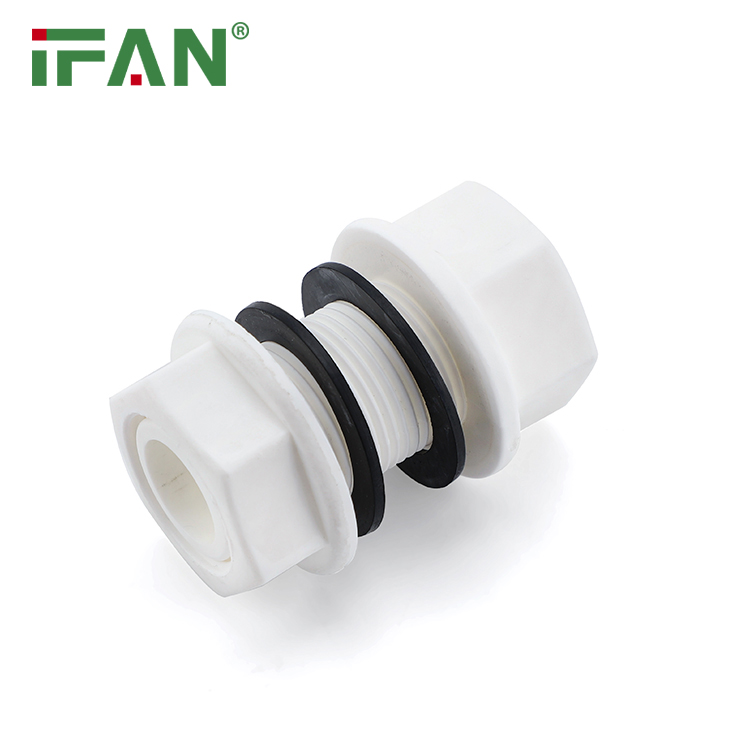
White PPR (polypropylene random copolymer) fittings have emerged as a versatile solution for plumbing systems, offering not only durability and cost-effectiveness but also significant contributions to noise reduction and thermal insulation. This article explores the unique characteristics of white PPR fittings that make them an ideal choice for addressing acoustic and thermal considerations within building infrastructure.
Acoustic Performance
One of the notable advantages of white PPR fittings is their ability to mitigate noise within plumbing systems. The material’s inherent properties help dampen water flow-induced vibrations and reduce the transmission of sound through pipes and fittings. As a result, white PPR fittings play a crucial role in creating quieter environments, particularly in residential and commercial settings where noise control is essential for occupant comfort and well-being.
Impact on Building Design
By incorporating white PPR fittings with superior acoustic performance, architects and engineers can design buildings with enhanced acoustic comfort in mind. The reduced transmission of water-related noises contributes to a more serene indoor environment, aligning with modern architectural trends that prioritize occupant satisfaction and productivity. Furthermore, the integration of noise-reducing fittings allows for greater flexibility in building layout and design, as acoustic considerations are effectively addressed within the plumbing infrastructure.
Thermal Insulation Properties
In addition to their acoustic benefits, white PPR fittings exhibit excellent thermal insulation properties. The material’s low thermal conductivity helps maintain water temperature as it travels through the plumbing system, reducing heat loss and improving energy efficiency. This characteristic is particularly advantageous for hot water distribution, where minimizing heat dissipation translates to lower energy consumption and operational cost savings.
Energy Conservation
The thermal insulation provided by white PPR fittings contributes to energy conservation within buildings. By preserving the heat of transported water, these fittings support sustainable building practices and help reduce overall energy demand. Consequently, property owners and facility managers can achieve operational cost reductions while promoting environmentally responsible building operations.
Comfort and Health Considerations
The improved thermal insulation offered by white PPR fittings has a direct impact on occupant comfort and well-being. Consistent water temperatures resulting from reduced heat loss contribute to a more comfortable living and working environment. Moreover, the prevention of temperature fluctuations within the plumbing system supports optimal conditions for water usage, enhancing user experience and promoting health and safety within buildings.
Sustainable Building Practices
White PPR fittings align with sustainable building practices by addressing both acoustic and thermal requirements. Their ability to enhance indoor environmental quality, promote energy efficiency, and minimize heat loss reflects a commitment to sustainable construction and operation standards. As a result, white PPR fittings contribute to green building certifications and support the broader sustainability goals of construction projects.
Conclusion
In conclusion, white PPR fittings offer significant advantages in terms of noise reduction and thermal insulation within plumbing systems. Their capacity to dampen sound transmission and preserve water temperature underscores their multifaceted contribution to building infrastructure. By prioritizing acoustic comfort, energy efficiency, and occupant well-being, white PPR fittings represent a valuable component in modern construction projects, aligning with the evolving needs of sustainable and user-centric building design.