Introduction
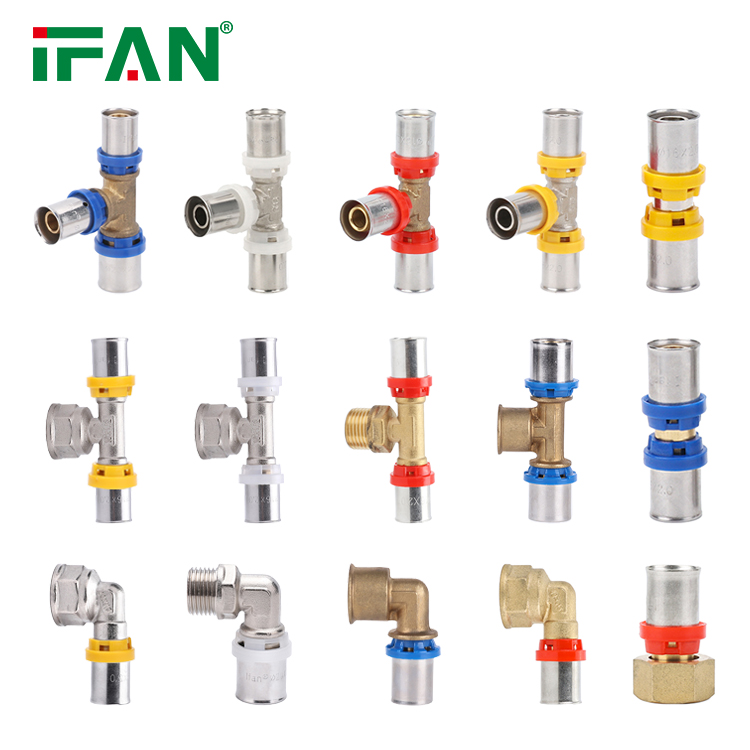
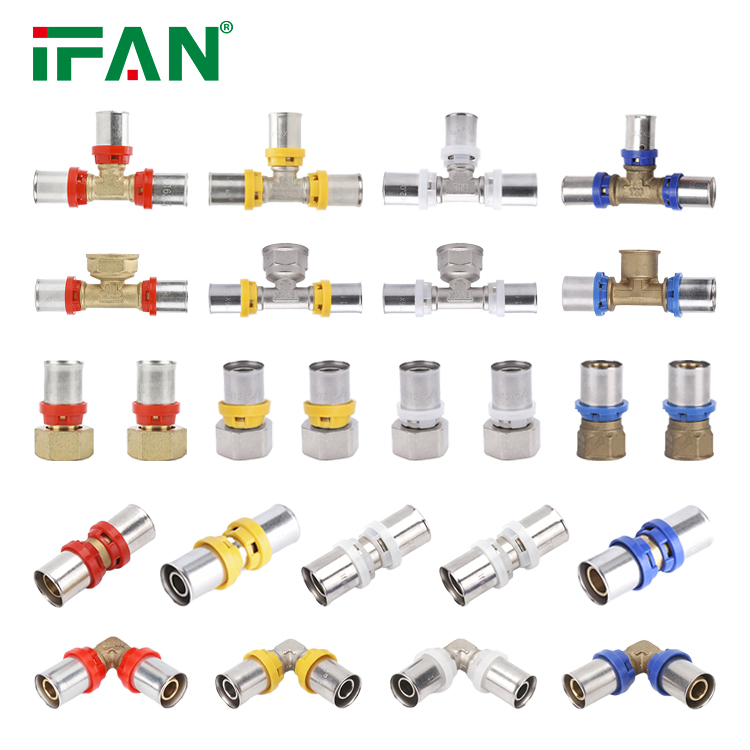
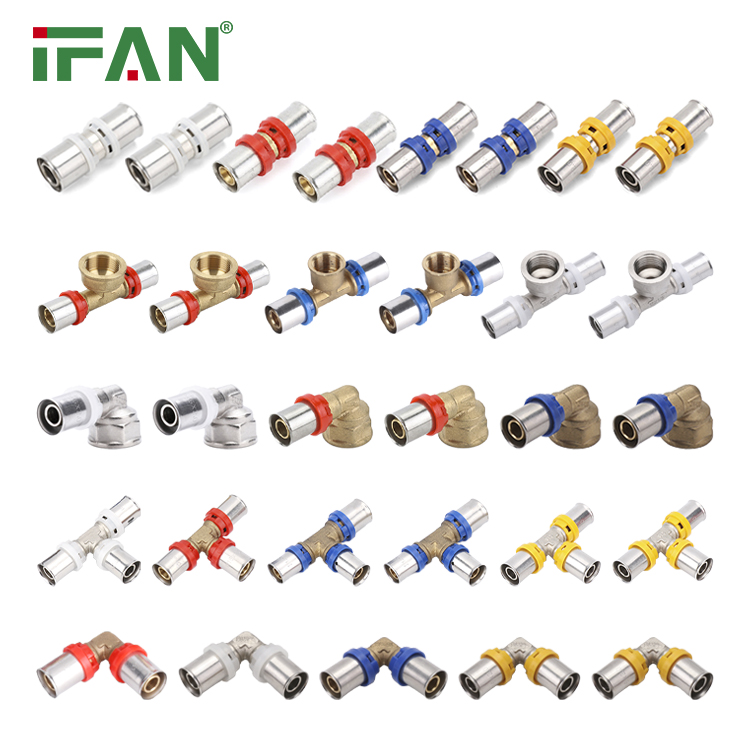
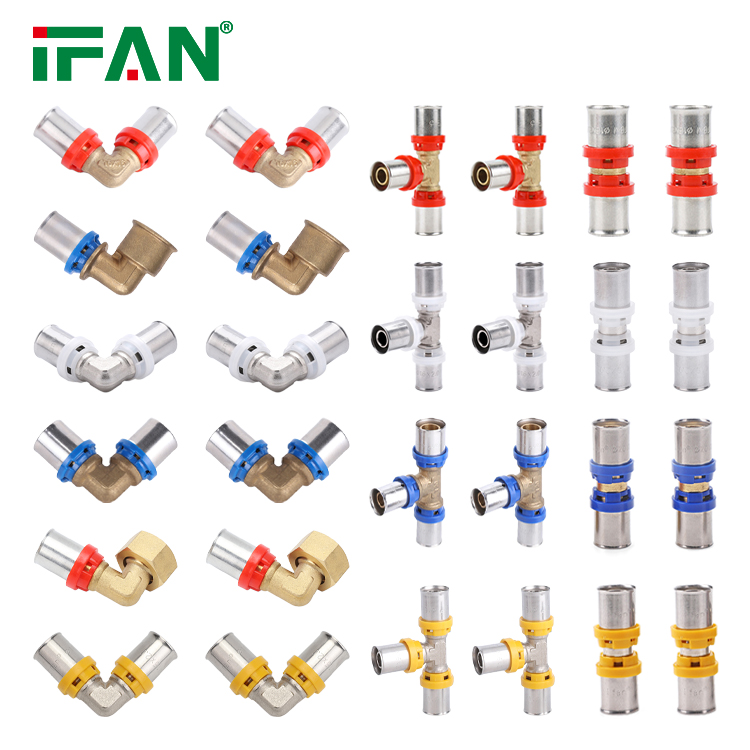
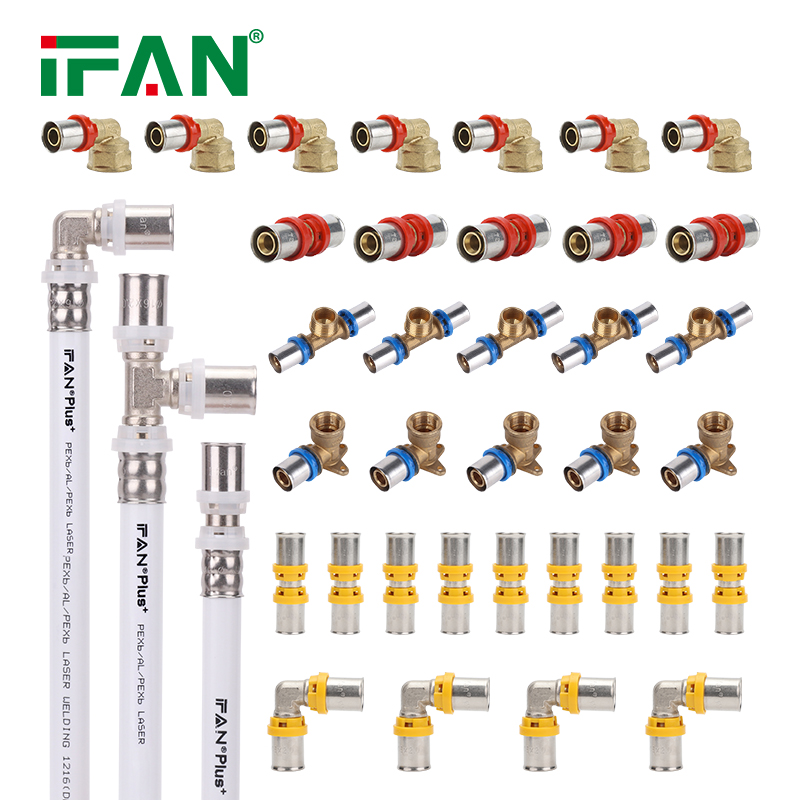
PEX compression fittings have become a crucial component in the plumbing, heating, and cooling industries due to their exceptional durability, ease of installation, and reliable performance. This article aims to provide a comprehensive overview of the PEX compression fittings industry, covering their applications, manufacturing process, market trends, and future prospects.
Applications of PEX Compression Fittings
- Plumbing Systems: PEX compression fittings are extensively used in residential and commercial plumbing systems for both hot and cold water distribution. Their flexibility allows for easy installation in tight spaces, while their leak-proof connections ensure reliable performance.
- Heating and Cooling Systems: The heat resistance and durability of PEX fittings make them suitable for radiant floor heating, chilled water piping, and other HVAC applications.
- Industrial Applications: PEX compression fittings are also found in industrial settings, including chemical processing, food and beverage production, and pharmaceutical manufacturing, due to their corrosion resistance and ability to handle high pressures and temperatures.
Manufacturing Process
PEX compression fittings are manufactured using advanced extrusion and molding techniques. The raw materials, primarily HDPE (high-density polyethylene) and cross-linking agents, are heated and extruded into the desired shape. The fittings are then precision-molded to create the compression mechanism, ensuring a secure and leak-free connection.
Market Trends
The global PEX pipe and fittings market is experiencing steady growth, driven by the increasing demand for reliable and cost-effective plumbing and HVAC solutions. According to recent reports, the market is expected to reach a significant value by 2029, with a compound annual growth rate (CAGR) of over 6%.
The rising popularity of PEX fittings is attributed to their numerous advantages, including:
- Ease of Installation: PEX compression fittings require no special tools or welding equipment, significantly reducing installation time and costs.
- Durability: The cross-linked polyethylene material provides excellent resistance to corrosion, wear, and tear, ensuring long-lasting performance.
- Versatility: PEX fittings are suitable for a wide range of applications, from residential plumbing to industrial processes.
Future Prospects
With the ongoing advancements in technology and material science, PEX compression fittings are expected to continue evolving, offering even greater durability, flexibility, and performance. The industry is also likely to witness an increase in the use of PEX fittings in renewable energy and sustainable building projects, as they contribute to energy efficiency and water conservation.
In conclusion, PEX compression fittings represent a reliable and cost-effective solution for various piping applications. Their growing popularity and market prospects indicate that they will remain a key component in the plumbing, heating, and cooling industries for the foreseeable future.