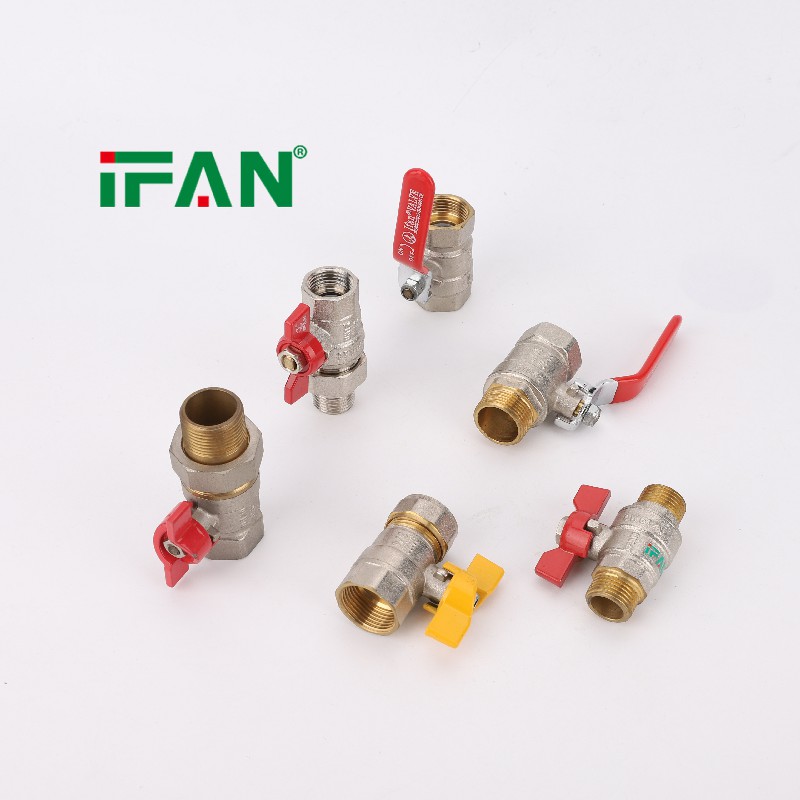
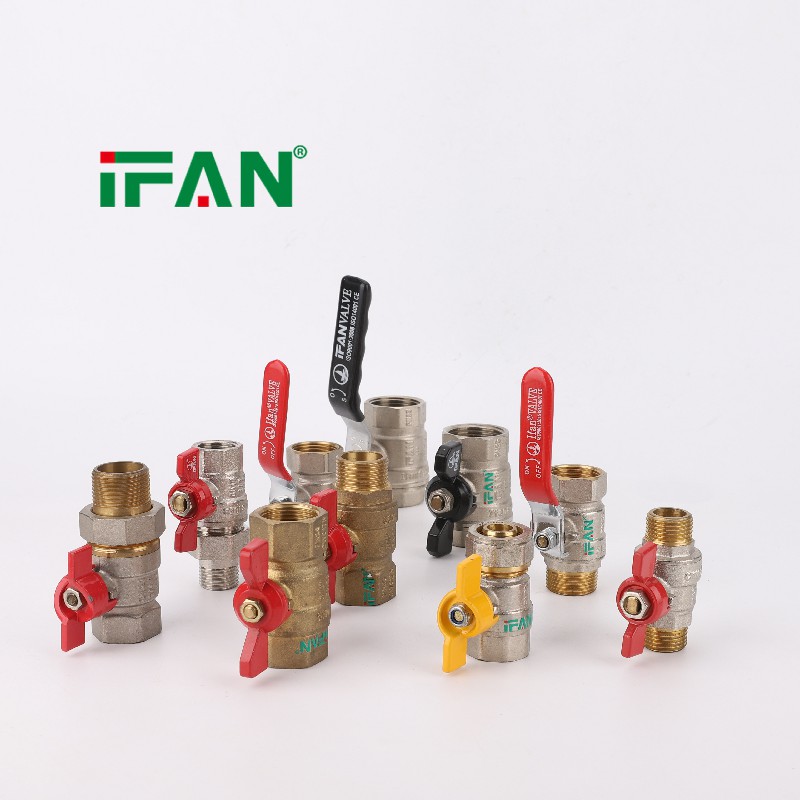
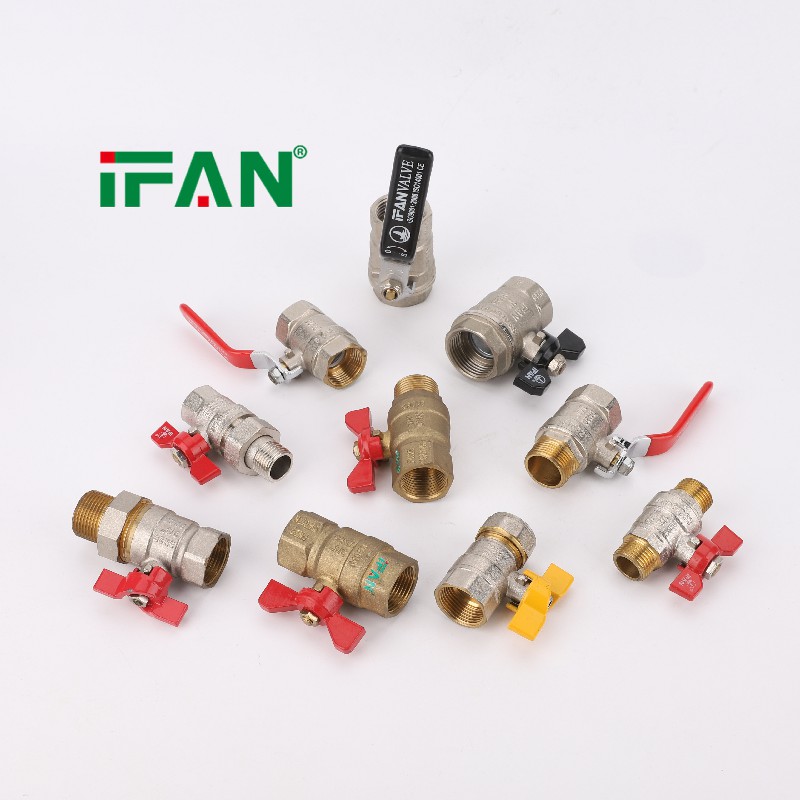
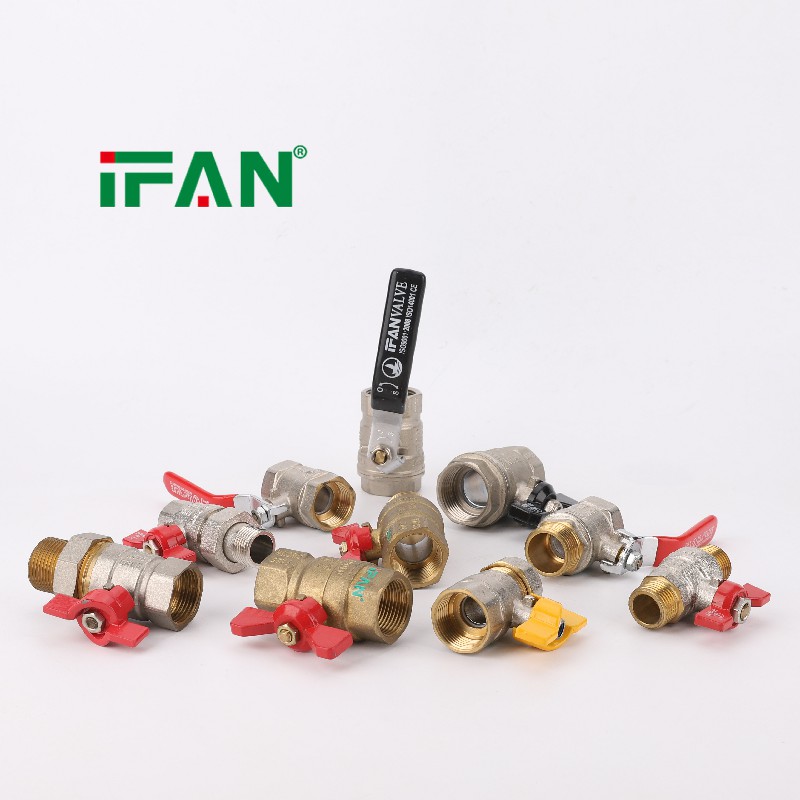
Introduction to PEX Compression Fittings Socket
PEX (Cross-Linked Polyethylene) compression fittings socket have emerged as a reliable solution for various piping applications, offering numerous advantages over traditional pipe-fitting methods. This article delves into the world of PEX compression fittings socket, exploring their unique features, applications, manufacturing process, market trends, and future prospects.
Unique Features of PEX Compression Fittings Socket
- Flexibility and Durability: PEX material offers both flexibility and durability, making it suitable for a wide range of applications. The compression fittings socket ensures a secure and leak-free connection, even under extreme conditions.
- Easy Installation: PEX compression fittings socket provide a simple and fast installation process, requiring no special tools or welding equipment. This significantly reduces installation time and costs.
- Corrosion Resistance: The cross-linked polyethylene material is highly resistant to corrosion, making PEX compression fittings socket ideal for use in chemical processing and other demanding environments.
Applications of PEX Compression Fittings Socket
- Plumbing Systems: PEX compression fittings socket are commonly used in residential and commercial plumbing systems, offering a reliable and cost-effective solution for hot and cold water distribution.
- Heating and Cooling Systems: Their flexibility and durability make PEX compression fittings socket a popular choice for heating and cooling systems, such as radiant floor heating and chilled water piping.
- Industrial Applications: PEX compression fittings socket are also suitable for industrial applications, including chemical processing, food and beverage production, and pharmaceutical manufacturing.
Manufacturing Process of PEX Compression Fittings Socket
PEX compression fittings socket are typically manufactured using extrusion and molding techniques. The raw PEX material is heated and extruded into the desired shape, followed by precision molding to create the socket and compression mechanism. Quality control measures are strictly adhered to ensure the consistency and reliability of the final product.
Market Trends and Future Prospects
The demand for PEX compression fittings socket is expected to grow significantly in the coming years, driven by the increasing emphasis on energy efficiency, water conservation, and environmental sustainability. Manufacturers are constantly innovating to improve the performance and durability of PEX compression fittings socket, making them an even more attractive option for various piping applications.
Conclusion
PEX compression fittings socket offer numerous advantages, including flexibility, durability, easy installation, and corrosion resistance. Their wide range of applications and growing demand make them a promising solution for various piping systems. As the industry continues to evolve, PEX compression fittings socket are likely to become an even more popular choice for plumbers, contractors, and industrial users.