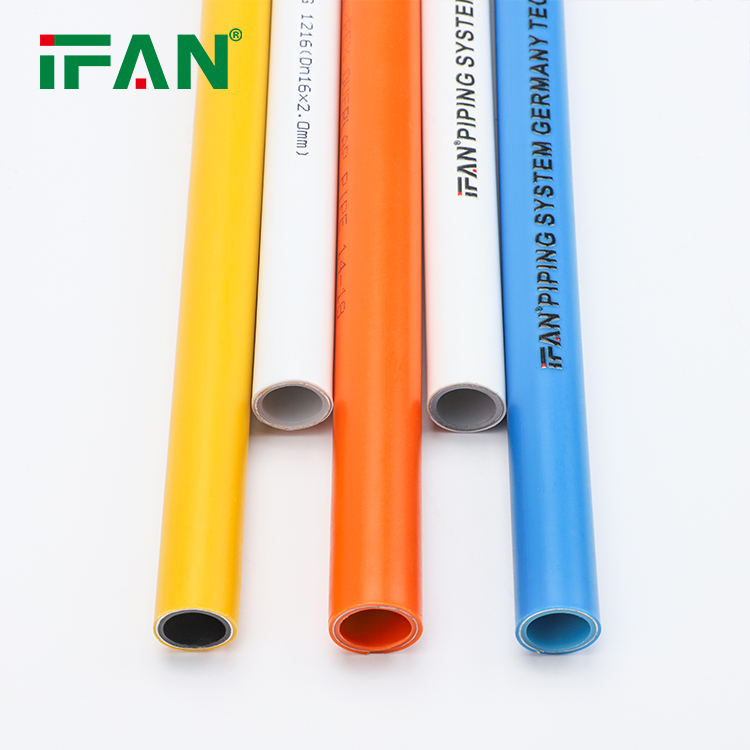
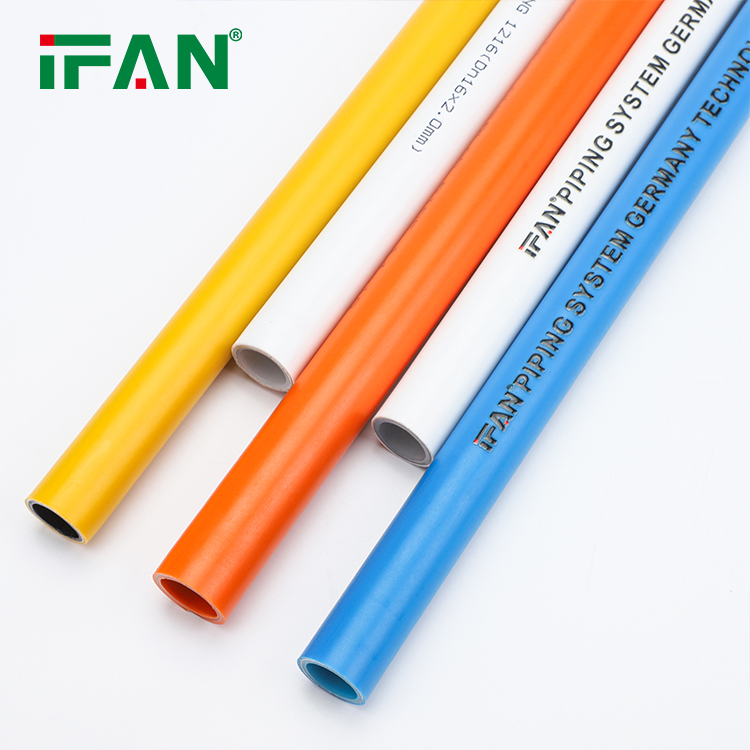
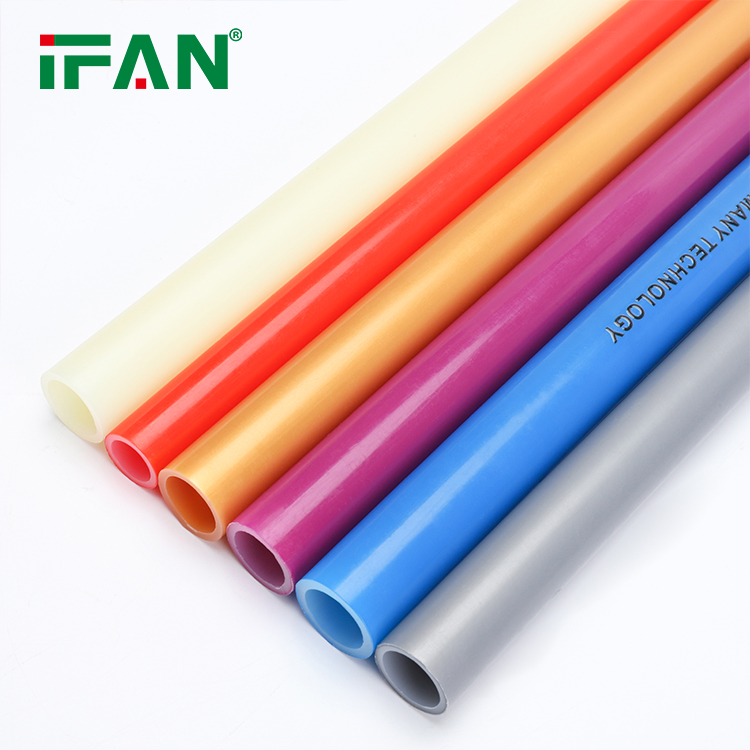
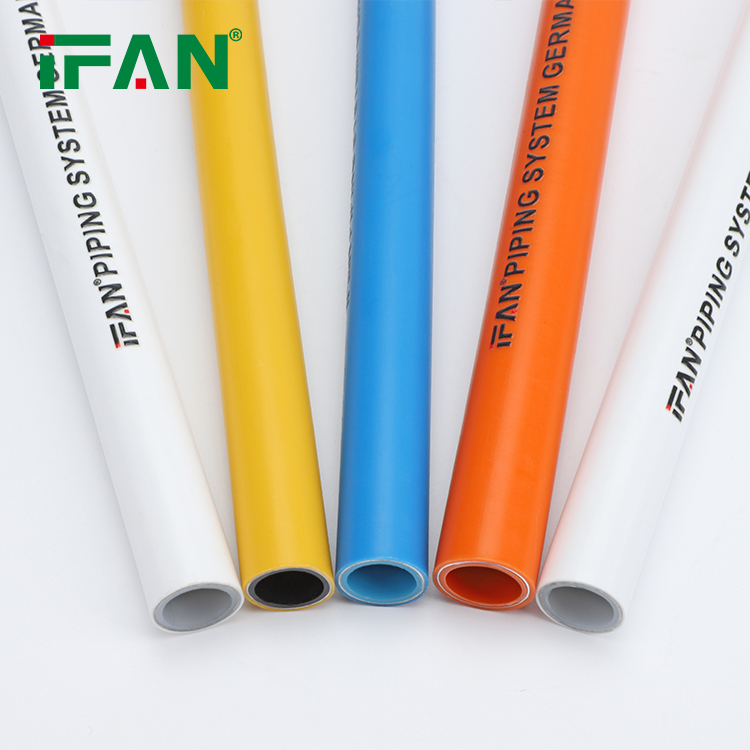
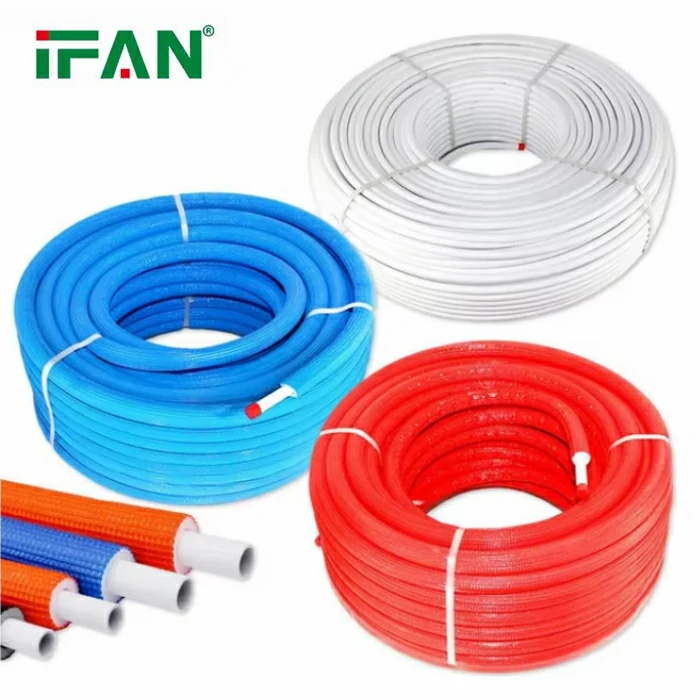
Residential heating systems need reliable connections to maintain stable water flow and prevent leaks. PEX compression fittings are a practical choice for many modern heating installations. They provide secure connections without requiring complex tools or special welding equipment.
PEX compression fittings are commonly used with PEX tubing in radiant floor heating, baseboard heating, and hydronic heating systems. Their simple installation process also makes them suitable for both new construction and renovation projects.
What Are PEX Compression Fittings?
PEX compression fittings are mechanical connectors designed to join PEX pipes with heating system components. A typical fitting includes a compression nut, compression ring, and fitting body.
During installation, the PEX pipe is placed over the fitting. The compression ring and nut are then tightened to create a secure connection. This design allows the fitting to hold the pipe firmly while maintaining a reliable seal.
Unlike some permanent connection methods, compression fittings can be easier to install and service. This makes them useful for residential heating applications where accessibility is important.
Why Use PEX Compression Fittings for Heating?
PEX compression fittings offer several advantages for residential heating systems. Their installation process is straightforward and requires relatively few tools.
They also work well with the flexibility of PEX tubing. PEX pipes can bend around corners and obstacles, while the fittings provide strong connection points at manifolds, valves, radiators, and other components.
Another benefit is serviceability. Properly installed compression connections can be inspected and maintained when necessary. This is especially useful in heating systems that may require adjustments over time.
The fitting material also matters. High-quality brass compression fittings can provide good mechanical strength and corrosion resistance in suitable heating environments.
Common Residential Heating Applications
PEX compression fittings can be used in several types of residential heating systems.
Radiant Floor Heating
Radiant floor heating is one of the most common applications for PEX tubing. Pipes are installed beneath the floor to circulate heated water.
Compression fittings can connect PEX circuits to heating manifolds. A secure connection helps maintain consistent water circulation throughout each heating loop.
Hydronic Radiator Systems
Many hydronic heating systems use hot water to transfer heat to radiators. PEX tubing can connect different parts of the system, depending on the system design and temperature requirements.
Compression fittings can provide convenient connections between PEX pipes, valves, manifolds, and other heating components.
Baseboard Heating
PEX tubing can also be used in selected baseboard heating installations. Compression fittings help connect tubing to system components without complicated joining procedures.
However, installers should always confirm that the tubing and fittings are rated for the operating temperature and pressure of the specific heating system.
Choosing the Right PEX Compression Fittings
Selecting the correct fitting is important for system performance. The first consideration is pipe size.
Common PEX tubing sizes include 1/2 inch, 3/4 inch, and 1 inch. The fitting must match the outside diameter and connection requirements of the PEX pipe.
Material selection is another important factor. Brass is widely used because it offers good strength and durability.
The fitting configuration should also match the installation. Elbows are useful for directional changes. Tees can create branch connections. Straight adapters are suitable for connecting PEX tubing to other components.
For heating systems, always check the fitting’s pressure and temperature ratings before installation.
Installation Tips for Better Connections
Correct installation is essential for a leak-resistant connection. Start by cutting the PEX tubing cleanly and squarely.
Remove any damaged or deformed section of pipe before installing the fitting. The tubing should be inserted fully onto the fitting according to the manufacturer’s instructions.
The compression nut should be tightened correctly. Over-tightening can damage components, while insufficient tightening may result in leakage.
Avoid installing fittings on damaged tubing. Keep the connection area clean and free from debris during assembly.
After installation, the heating system should be pressure tested before normal operation. This helps identify potential leaks before the system is covered or placed under continuous heating conditions.
PEX Compression Fittings vs. Other Connection Methods
PEX systems can use several connection technologies. These include crimp fittings, clamp fittings, push-fit fittings, and compression fittings.
Each method has different installation requirements. Compression fittings are attractive when easy assembly and future serviceability are important.
They can also be useful for connecting PEX tubing to valves and other threaded components. The best choice depends on the system design, local plumbing codes, installation conditions, and project requirements.
For residential heating projects, compatibility should always come before price. A fitting that matches the pipe, pressure, temperature, and connection method will provide a more dependable installation.
Why Fitting Quality Matters
Heating systems operate for long periods, often with repeated temperature changes. These conditions place continuous demands on pipes and connections.
A high-quality PEX compression fitting should maintain mechanical stability during normal thermal expansion and contraction. Consistent dimensions are also important because poor manufacturing tolerances can make installation difficult.
IFAN provides PEX pipes and fittings for plumbing and heating applications, with a focus on reliable manufacturing and consistent product quality. Its product range supports different connection requirements for residential and commercial projects. For buyers seeking a dependable PEX compression fittings manufacturer, IFAN can provide product options and customized solutions based on project requirements.
How to Maintain PEX Heating Connections
PEX heating systems generally require limited maintenance when installed correctly. However, visible fittings should still be inspected periodically.
Look for signs of moisture, corrosion, or unusual movement around connection points. If a fitting shows signs of leakage, the heating system should be checked promptly.
Maintaining suitable operating pressure and temperature is also important. The system should remain within the specifications of the pipe and fitting manufacturer.
Proper insulation can further improve system efficiency. It can reduce unwanted heat loss from exposed pipes and help maintain stable water temperatures.
Conclusion
PEX compression fittings are a practical connection solution for many residential heating systems. They work well with PEX tubing and can simplify connections around manifolds, valves, radiators, and heating circuits.
Choosing the correct size, material, configuration, and pressure rating is essential. Proper installation is equally important for long-term reliability.
For radiant floor heating, hydronic heating, and other suitable residential applications, quality PEX compression fittings can provide secure and serviceable connections. With reliable products and correct installation practices, homeowners and installers can build heating systems designed for efficient and dependable operation.