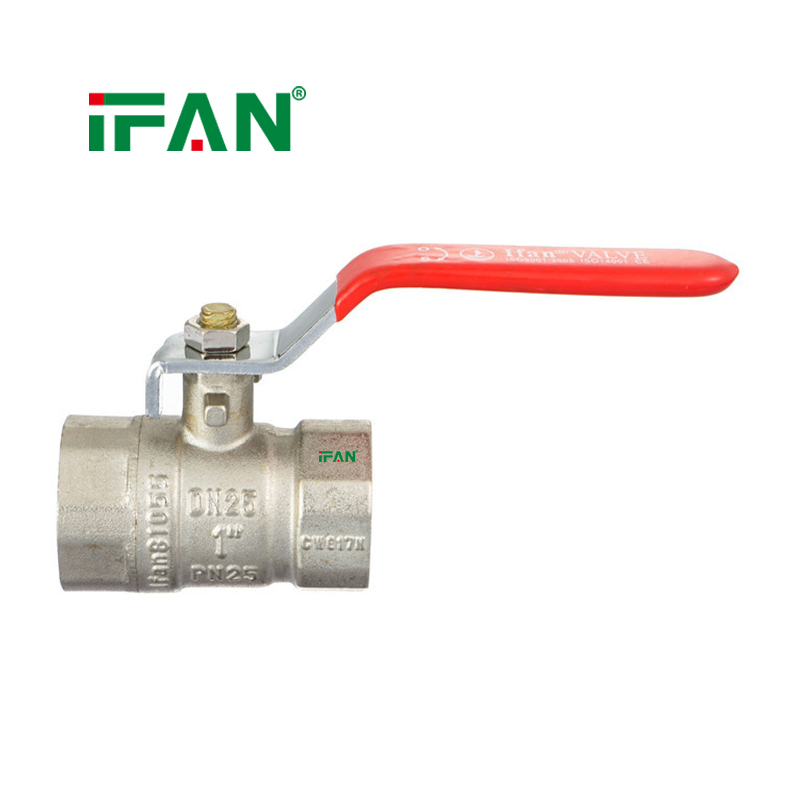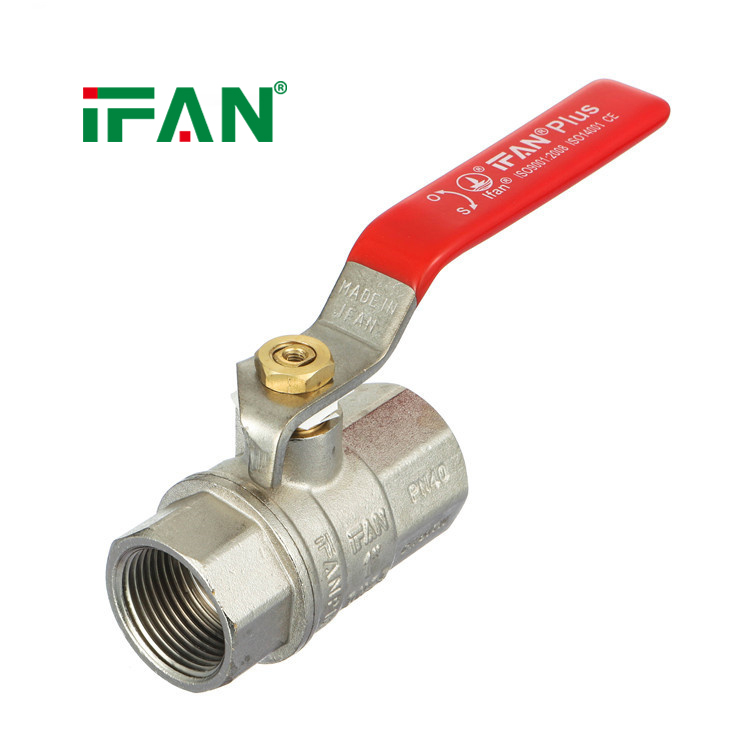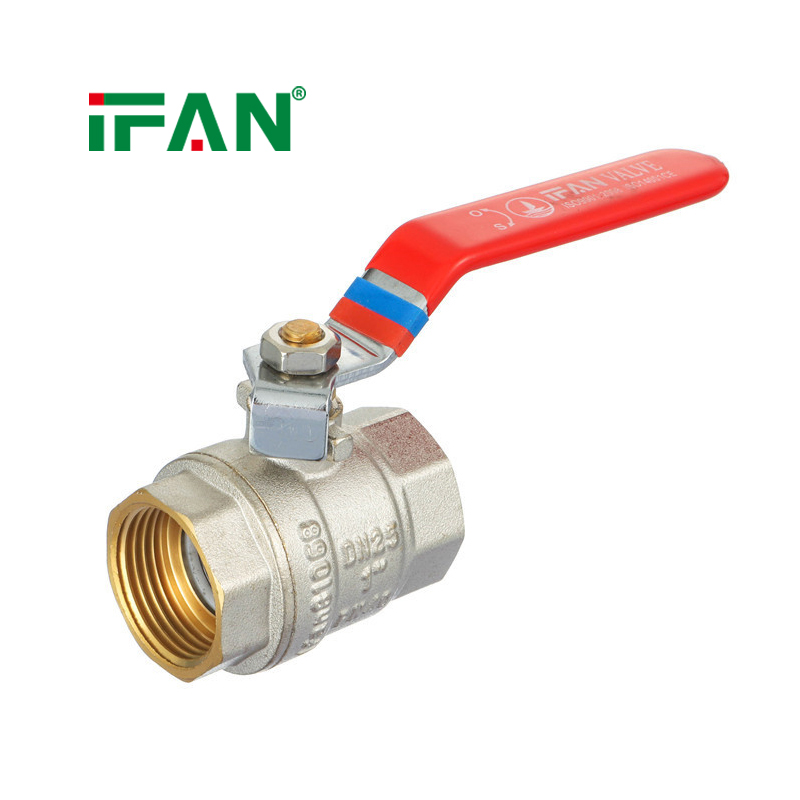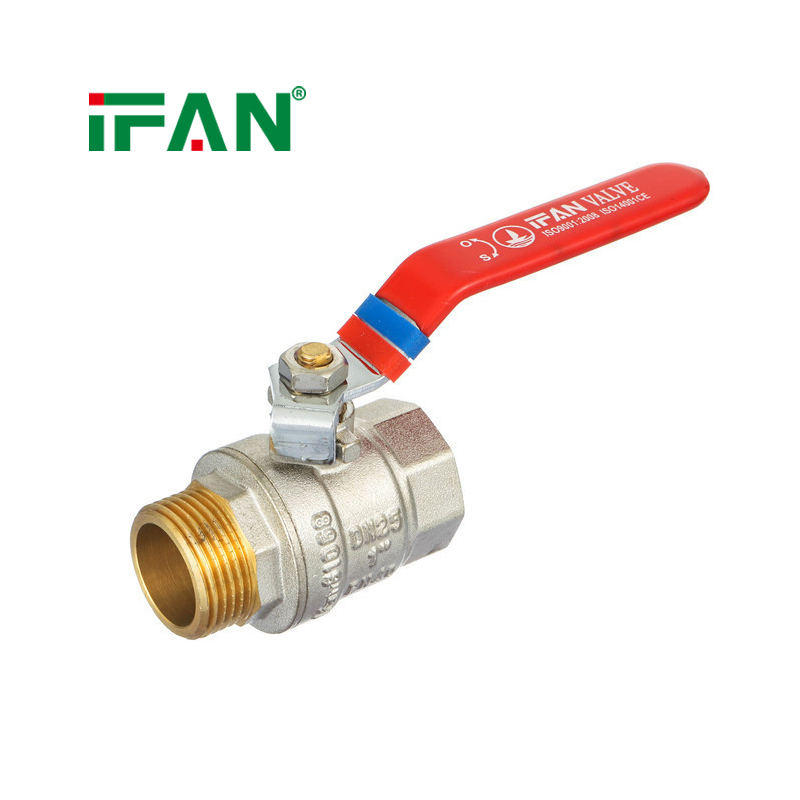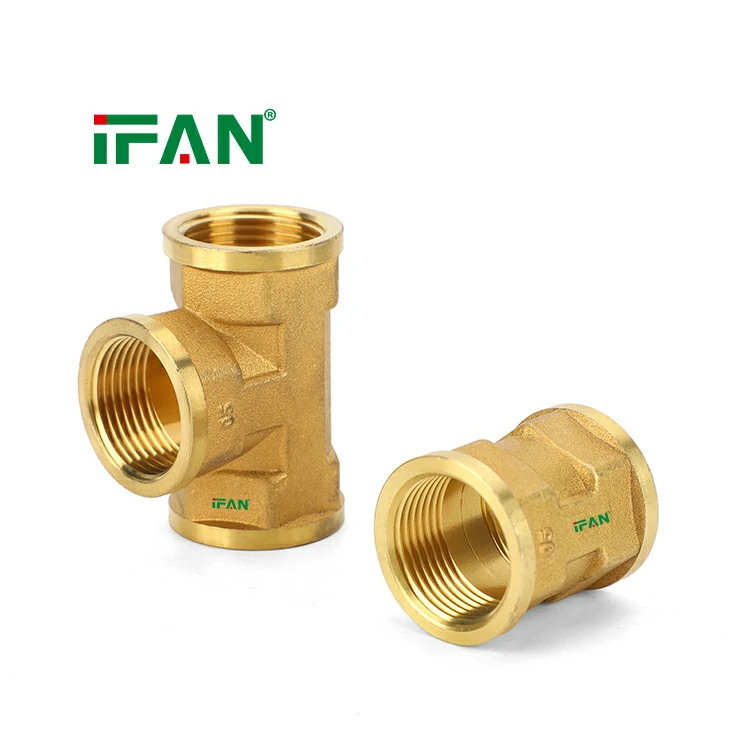
Brass pipe fittings are widely used in modern plumbing and fluid distribution systems. They connect pipes, control flow, and help create secure pipeline networks. Their strong mechanical performance makes them suitable for both gas and water applications.
Brass is also known for its corrosion resistance and long service life. For this reason, brass fittings are common in residential, commercial, and industrial plumbing projects. They can be used with different pipe materials and connection methods.
This article explains how brass pipe fittings work in gas and water systems. It also covers their benefits, common types, material selection, and key factors for choosing the right fitting.
What Are Brass Pipe Fittings?
Brass pipe fittings are connection components made mainly from copper and zinc. They are designed to join, redirect, reduce, or terminate pipes.
Common brass fittings include elbows, tees, couplings, adapters, unions, and nipples. Each type serves a different purpose in a piping system.
Brass has good strength and machinability. These properties allow manufacturers to produce accurate threads and smooth internal passages. Proper machining also helps create reliable connections between pipes and fittings.
For plumbing projects, brass fittings can support both hot and cold water systems. Certain brass fittings are also manufactured for approved gas applications.
Brass Fittings for Water Applications
Brass pipe fittings are frequently used in domestic and commercial water supply systems. They can connect water pipes at different angles or change pipe sizes.
One important advantage is their resistance to corrosion under many normal water conditions. Brass fittings can also handle temperature changes in hot water systems.
Typical water applications include:
- Residential water supply
- Hot water distribution
- Cold water lines
- Bathroom plumbing
- Kitchen plumbing
- Commercial water systems
- Industrial fluid systems
- Heating and hydronic applications
The correct brass alloy is important when fittings will contact drinking water. Depending on the market, regulations may require specific low-lead or lead-free materials.
Brass Fittings for Gas Applications
Brass fittings can also be used in gas piping systems when the fitting is designed, certified, and approved for the intended gas service.
Gas installations require careful attention to pressure, temperature, sealing, and applicable local codes. A fitting suitable for water should not automatically be assumed to be suitable for gas.
Common gas applications include natural gas and certain fuel gas distribution systems. Threaded brass fittings are often used where a strong mechanical connection is required.
Before installation, users should confirm that the fitting meets the relevant gas standard. The fitting should also match the pipe material, operating pressure, and gas type.
Common Types of Brass Pipe Fittings
Different piping layouts require different fitting designs. Choosing the correct type can simplify installation and improve system reliability.
Brass Elbow Fittings
Brass elbows change the direction of a pipeline. The most common designs are 90-degree and 45-degree elbows.
They are useful when pipes need to turn around walls, equipment, or other plumbing components. Their compact design can also help save installation space.
Brass Tee Fittings
A brass tee has three connection points. It allows one pipeline to branch into two directions.
Tee fittings are widely used in water distribution systems. They can also be used in approved gas piping applications.
Brass Couplings
A brass coupling joins two pipes with the same connection size. It is useful for extending an existing pipe run.
Threaded couplings are common in many plumbing systems. They provide a practical connection without requiring complicated equipment.
Brass Adapters
Brass adapters connect pipes or components with different connection types. For example, an adapter can connect a threaded fitting to another type of pipe connection.
This makes adapters useful when different materials or connection standards are used within one system.
Brass Unions
Brass unions allow two pipe sections to be connected and disconnected more easily. This can be valuable during maintenance.
A union can reduce the need to rotate long pipe sections during installation or repair.
Advantages of Brass Pipe Fittings
Brass remains a popular fitting material because it offers a balanced combination of strength, durability, and workability.
Good Mechanical Strength
Brass fittings can withstand normal mechanical loads in many plumbing systems. Their strength helps maintain stable connections during regular operation.
Corrosion Resistance
Brass generally provides good corrosion resistance in many water and plumbing environments. This contributes to a longer service life.
However, water chemistry can affect metal components. Material selection should therefore consider the actual operating environment.
Excellent Machinability
Brass is relatively easy to machine. Manufacturers can produce precise threads, connection surfaces, and internal passages.
Accurate machining is especially important for threaded fittings. Poorly formed threads may increase the risk of leakage.
Wide Application Range
Brass fittings are available for many plumbing configurations. They can be used in water supply, heating, gas, and industrial applications when the specific product is approved for that service.
How to Choose Brass Pipe Fittings
Selecting the right fitting requires more than checking the pipe diameter. Several technical factors should be considered before purchasing.
First, check the pipe size and connection type. Thread standards must match correctly to create a secure connection.
Next, consider the working pressure and temperature. The fitting must have a suitable pressure rating for the application.
For gas systems, always check the gas compatibility and certification. Gas fittings should meet the requirements of the local market and installation code.
Material composition is also important. For potable water systems, users should verify whether the brass material meets applicable drinking water requirements.
Finally, consider the installation environment. Indoor plumbing, outdoor piping, heating systems, and industrial applications can have different material requirements.
Installation and Maintenance Tips
Correct installation is essential for achieving reliable performance. Threads should be clean and free from damage before assembly.
Avoid excessive tightening. Too much force can damage threads or distort the fitting.
Use an appropriate sealing method for the connection and application. Gas installations require products that are specifically suitable for gas service.
After installation, inspect the system carefully. Water systems should be checked for leaks under operating conditions. Gas systems require proper leak testing according to local regulations.
Regular inspection can also help identify corrosion, mechanical damage, or connection problems before they become serious.
Why Quality Matters in Brass Fittings
A brass fitting may look simple, but manufacturing quality can strongly affect its performance. Important factors include material consistency, dimensional accuracy, thread quality, machining precision, and surface finish.
Reliable manufacturers use controlled production processes to maintain consistent fitting dimensions. Quality inspection can also help reduce leakage and connection problems.
For distributors and plumbing contractors, stable product quality is particularly important. Consistent dimensions make installation easier across large projects.
IFAN Brass Pipe Fittings for Plumbing Projects
IFAN provides brass pipe fittings designed for a wide range of plumbing and fluid connection needs. With professional manufacturing capabilities, IFAN focuses on material quality, precise machining, and reliable connection performance.
IFAN brass fittings can support different project requirements, including water supply and selected gas applications. Product selection can also be customized according to connection type, size, material requirements, and market standards.
For wholesalers, distributors, contractors, and plumbing system suppliers, choosing a reliable brass fitting manufacturer can help improve project consistency. IFAN offers professional plumbing solutions with a focus on quality, durability, and practical installation.
Conclusion
Brass pipe fittings are an important part of many gas and water piping systems. Their strength, corrosion resistance, and machinability make them suitable for numerous plumbing applications.
However, the fitting must always match the intended service. Water and gas systems have different technical and regulatory requirements.
By considering pipe size, connection type, pressure, temperature, material composition, and certification, buyers can select more suitable brass fittings for their projects.
For reliable plumbing components and customized brass fitting solutions, IFAN is a strong option for international distributors and professional plumbing projects.