Introduction
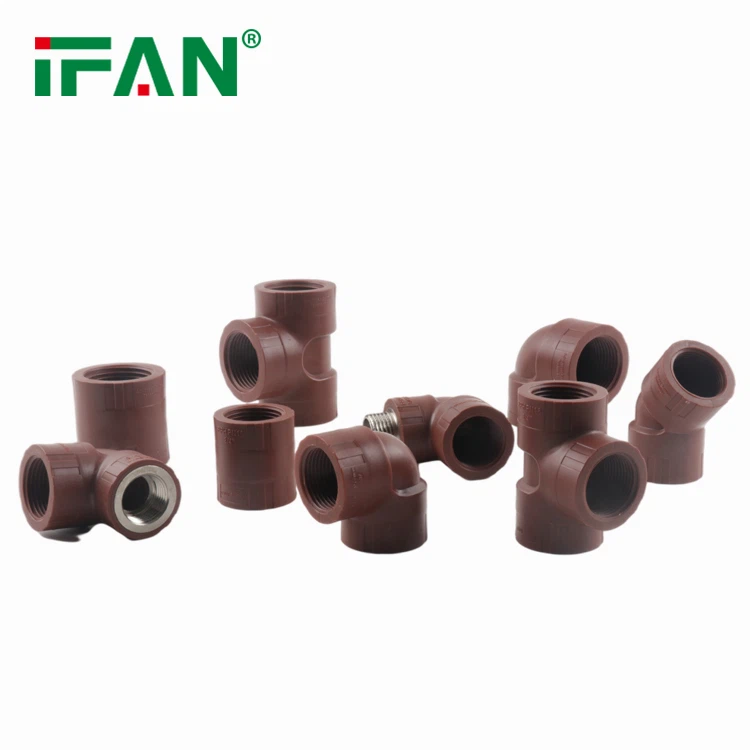
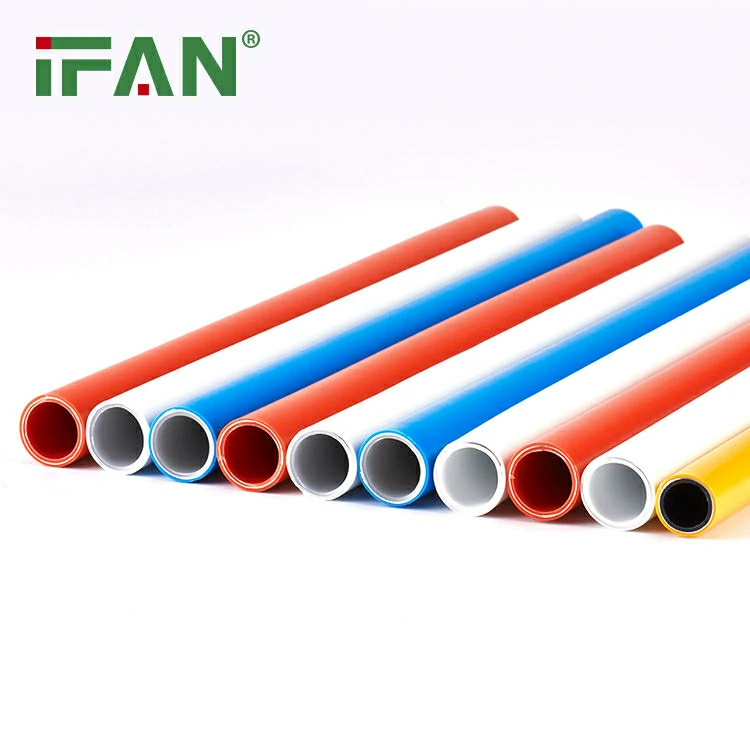
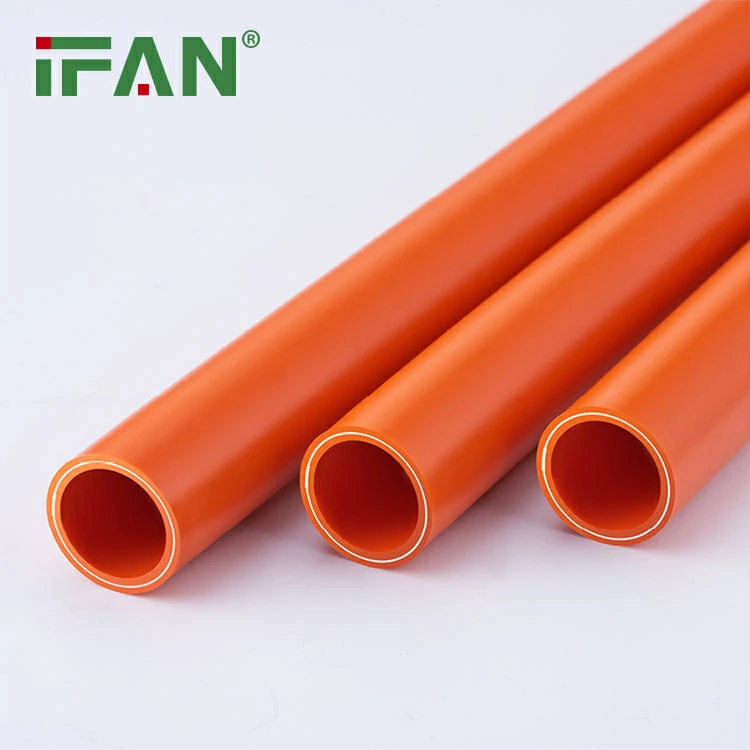
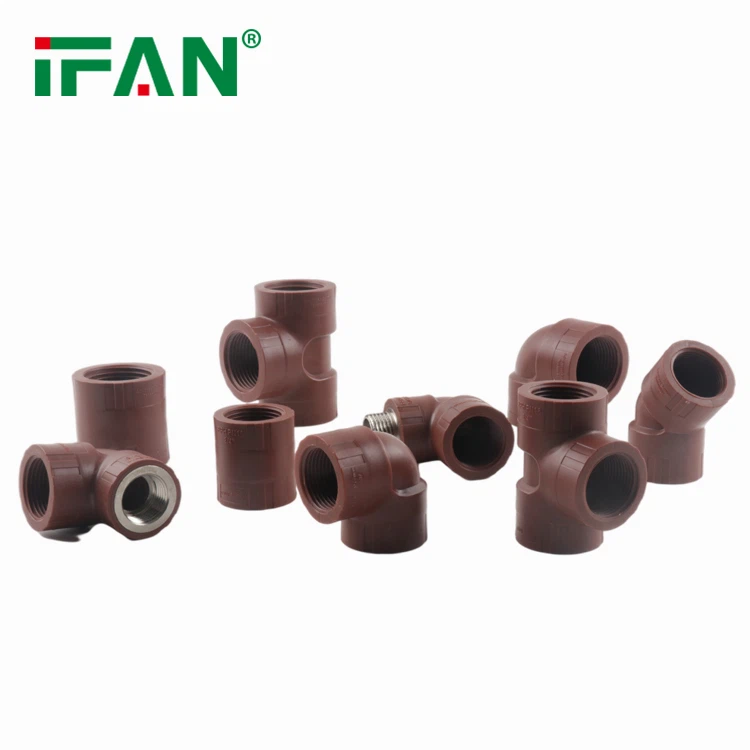
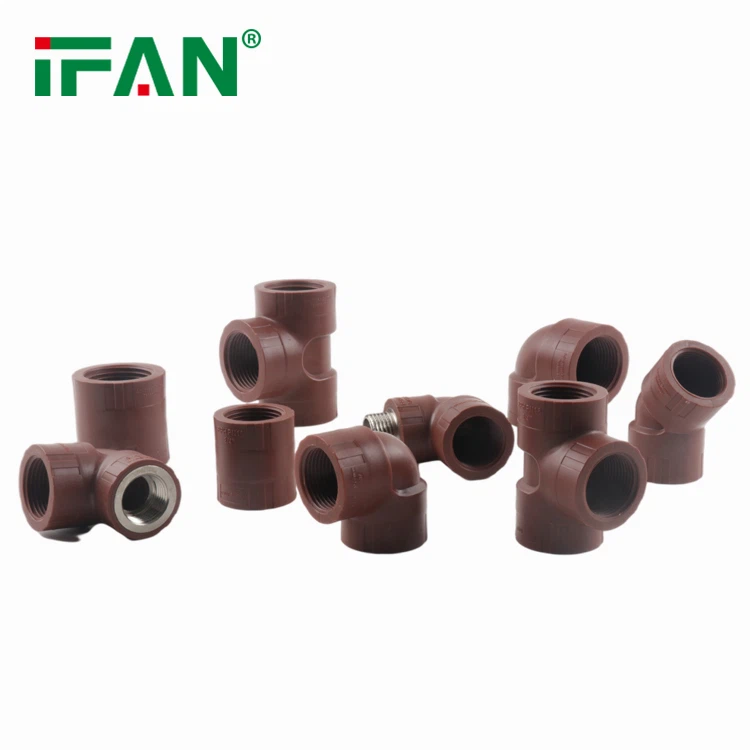
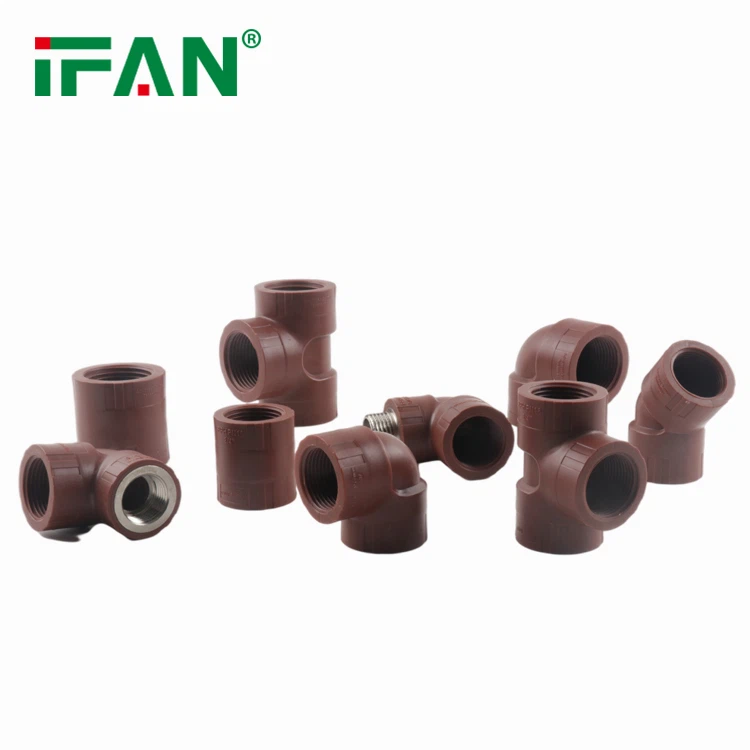
Polypropylene homopolymer (PPH) is an excellent material for piping systems in industrial applications where high-temperature resistance is required. It is a thermoplastic polymer that can withstand temperatures up to 95°C, making it ideal for use in high-temperature environments. PPH pipe fittings are a popular choice for piping systems in chemical plants, water treatment plants, and other industrial facilities. This article will discuss the key considerations for selecting and using PPH pipe fittings in high-temperature applications.
Material Properties
PPH is a thermoplastic polymer that exhibits excellent chemical and high-temperature resistance. PPH is known for its chemical resistance to many organic solvents, acids, and alkalis. This makes PPH an excellent choice for use in a wide range of chemical process applications. PPH fittings have excellent thermal stability and can operate in environments where temperatures of up to 95°C are required.
Design Considerations
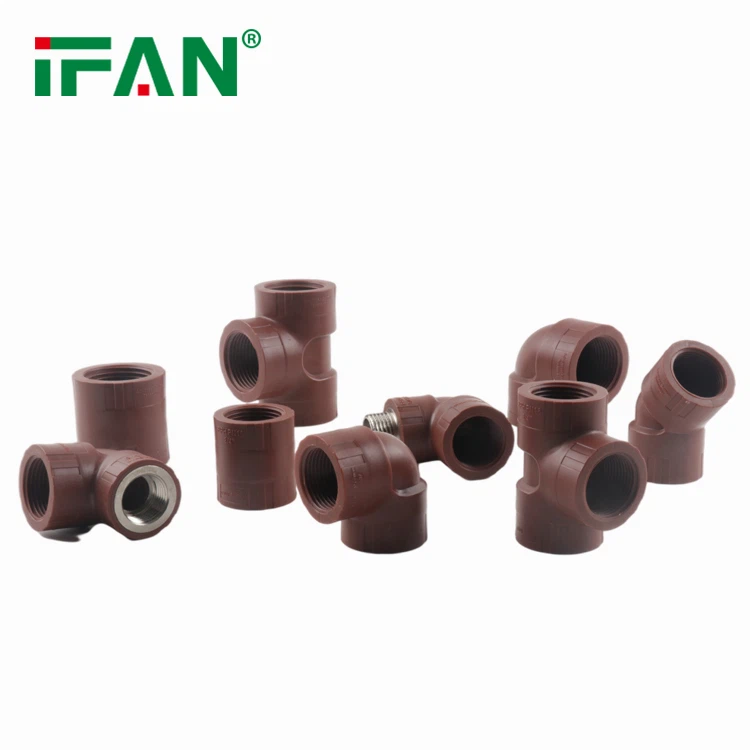
When selecting PPH pipe fittings for high-temperature applications, it is essential to consider the design of the fittings carefully. Some of the key design considerations include:
1. Pressure Rating: The pressure rating of the fittings is a critical factor to consider in high-temperature applications. The fittings must be able to withstand high pressures, and the pressure rating must be chosen based on the operating conditions.
2. Temperature Rating: The temperature rating is the maximum temperature that the fittings can withstand. It is essential to ensure that the fittings can operate at the desired temperature.
3. Chemical Resistance: The chemical resistance of the fittings is critical to ensure that they can withstand exposure to a wide range of chemicals.
4. Mechanical Strength: The fittings must have sufficient mechanical strength to withstand the stresses that occur during the operation of the piping system.
5. Corrosion Resistance: Corrosion resistance is a vital consideration in high-temperature applications. PPH fittings are known for their excellent corrosion resistance, making them an ideal choice for use in harsh environments.
Installation Considerations
Proper installation is crucial for ensuring the long-term performance of PPH pipe fittings in high-temperature applications. Some of the key installation considerations include:
1. Proper Handling: The fittings should be handled carefully during installation to avoid damage that can affect their performance.
2. Joint Preparation: The joint preparation is critical to ensure a leak-free joint. The surface of the fittings should be clean and free from oil, grease, and other contaminants before installation.
3. Welding: Welding is the most common method used to join PPH fittings. Welding must be done correctly and with the proper equipment to ensure the joint’s strength and integrity.
4. Thermal Expansion: PPH has a high coefficient of thermal expansion, which must be considered during installation. Adequate expansion joints should be used to allow for thermal expansion and contraction.
5. Testing: Proper testing is essential to ensure the performance of the piping system. Pressure testing should be performed to check for leaks and ensure the integrity of the system.
Conclusion
PPH pipe fittings are an excellent choice for high-temperature applications due to their excellent chemical and high-temperature resistance. When selecting and using PPH fittings for high-temperature applications, it is essential to consider the material properties and design considerations carefully. Proper installation is also crucial to ensure the long-term performance of the piping system. With these considerations in mind, PPH pipe fittings can be an effective solution for a wide range of industrial applications.