PPR Fittings for Commercial Plumbing: Meeting Industry Standards
Introduction
PPR fittings have become increasingly popular in commercial plumbing systems due to their ability to meet industry standards and regulations. With their exceptional performance, reliability, and versatility, PPR fittings offer a practical solution for various commercial applications. In this article, we will explore the benefits of using PPR fittings specifically for commercial plumbing and how they ensure compliance with industry standards. Let’s delve into the details of why PPR fittings are the preferred choice for commercial plumbing.
1. Compliance with Industry Standards
One of the key advantages of PPR fittings for commercial plumbing is their ability to meet industry standards and regulations. PPR fittings are manufactured in accordance with recognized standards, such as ASTM (American Society for Testing and Materials) and ISO (International Organization for Standardization). These standards ensure that PPR fittings meet specific requirements for performance, safety, and durability. By using PPR fittings, commercial properties can ensure compliance with industry standards, providing a reliable and safe plumbing system.
2. High Temperature and Pressure Resistance
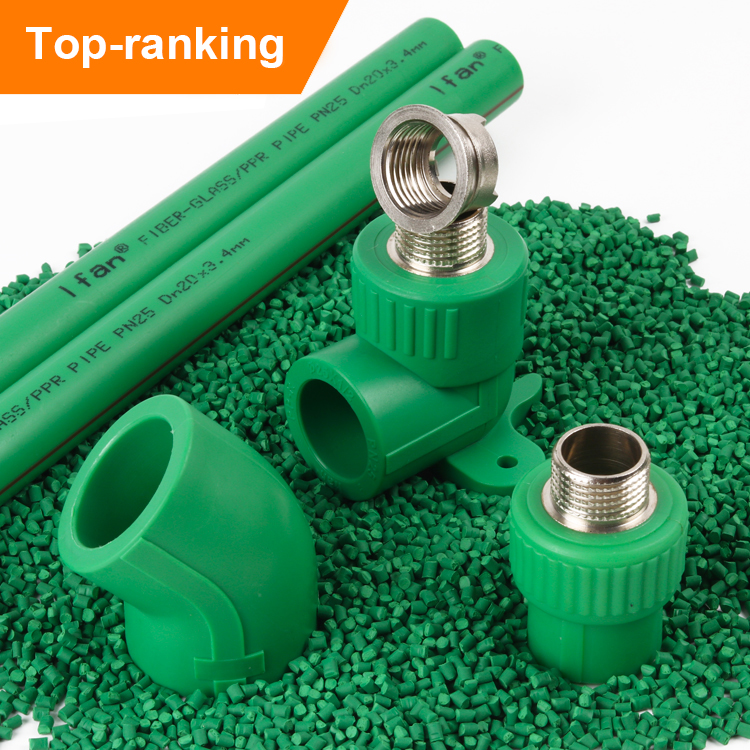
Commercial plumbing systems often operate under high temperature and pressure conditions. PPR fittings are designed to withstand these demanding environments. Made from polypropylene random copolymer, PPR fittings exhibit excellent resistance to high temperatures and pressures. They can handle hot water distribution, steam lines, and other high-pressure applications commonly found in commercial settings. The robust nature of PPR fittings ensures a reliable and long-lasting plumbing system, even under extreme conditions.
3. Corrosion and Chemical Resistance
Commercial plumbing systems are exposed to various chemicals and substances that can cause corrosion and deterioration in traditional plumbing materials. PPR fittings, however, exhibit exceptional resistance to corrosion and chemicals. The polypropylene material used in PPR fittings is highly resistant to acids, alkalis, and other corrosive agents commonly found in commercial settings. This corrosion resistance minimizes the risk of pipe degradation, ensuring the integrity and longevity of the plumbing system.
4. Leak-Free Connections
Leakage can lead to significant water wastage, property damage, and costly repairs in commercial plumbing systems. PPR fittings provide leak-free connections, ensuring efficient water flow and preventing water damage. The heat fusion process used to join PPR pipes and fittings creates seamless and fused connections that do not require additional sealing materials. This eliminates the potential for leaks, providing peace of mind for commercial property owners and minimizing maintenance and repair costs.
5. Versatility and Adaptability
Commercial plumbing systems often require flexibility and adaptability to accommodate the unique requirements of different applications. PPR fittings offer versatility and adaptability due to their wide range of sizes, types, and configurations. From couplings and elbows to tees and reducers, PPR fittings can be customized to meet the specific needs of various commercial plumbing layouts. This versatility allows for easy installation and modification, ensuring a well-designed and efficient plumbing system.
6. Low Maintenance and Longevity
Commercial properties require plumbing systems that can withstand heavy usage and minimize downtime. PPR fittings require minimal maintenance and offer excellent longevity. The durable nature of PPR fittings eliminates the need for frequent replacements, reducing downtime and maintenance costs. Additionally, their resistance to chemicals, corrosion, and scaling minimizes the risk of plumbing failures, further enhancing the reliability and longevity of commercial plumbing systems.
Conclusion
PPR fittings provide a practical solution for commercial plumbing systems by meeting industry standards and regulations. Their ability to withstand high temperatures and pressures, resistance to corrosion and chemicals, leak-free connections, versatility, and low maintenance make them the preferred choice for commercial applications. By using PPR fittings, commercial properties can ensure compliance with industry standards, reduce downtime, and enhance the reliability and efficiency of their plumbing systems.