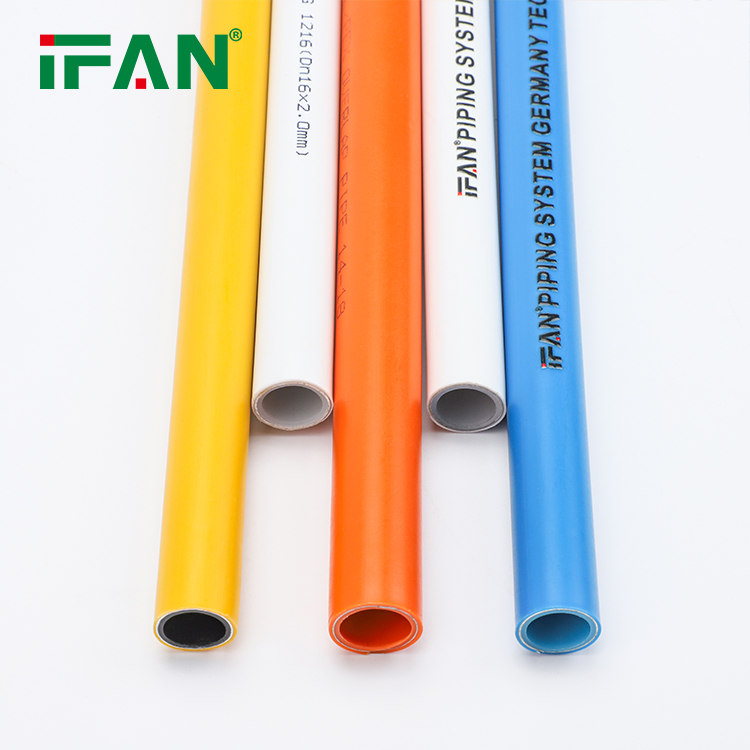
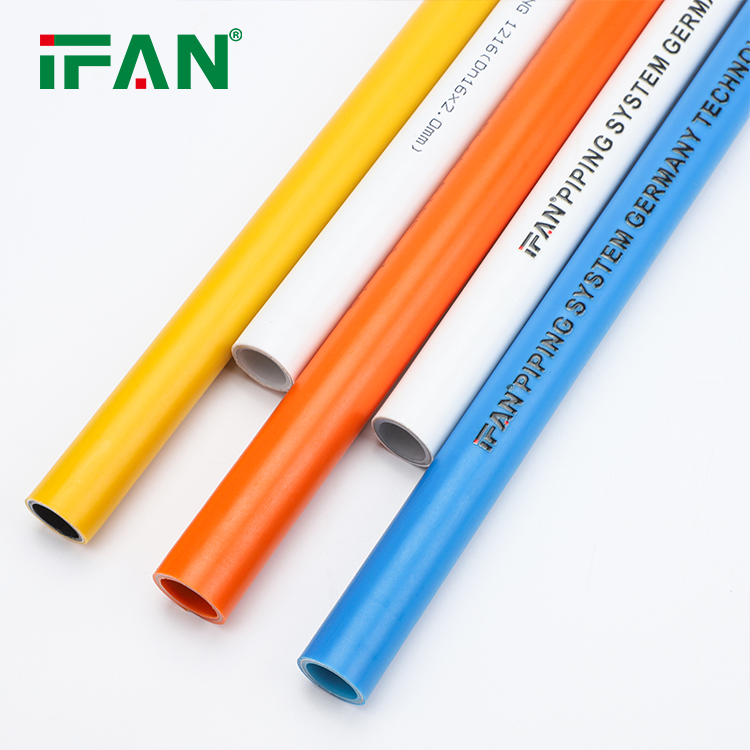
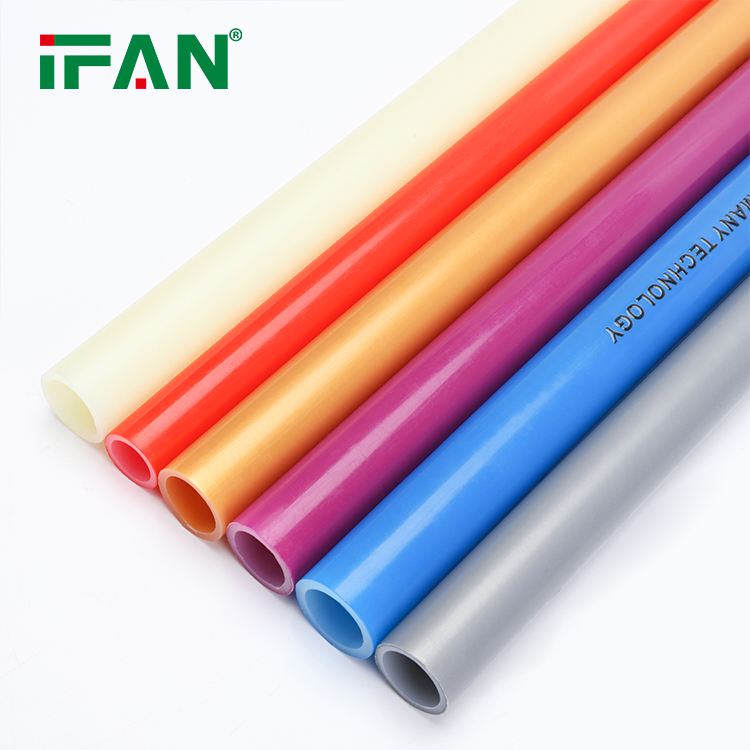
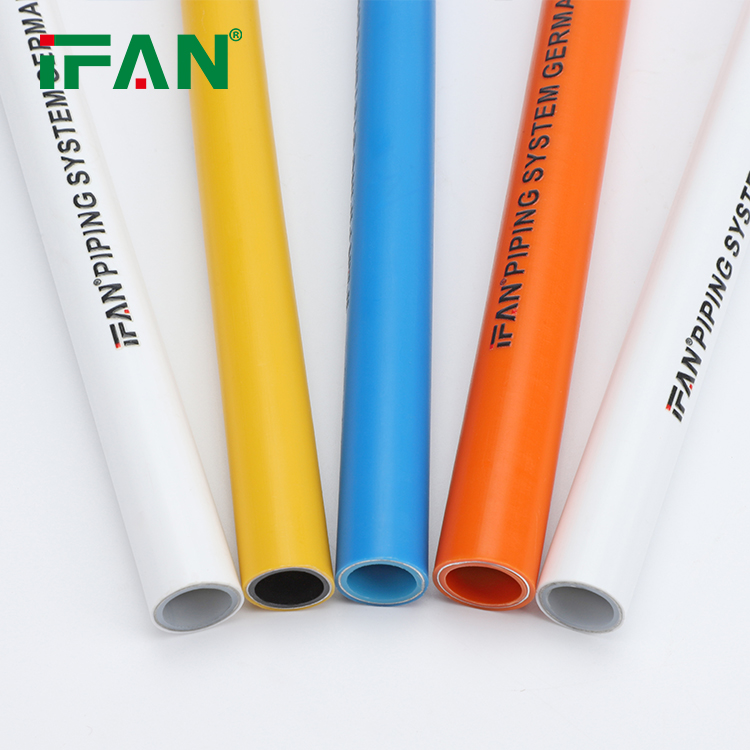
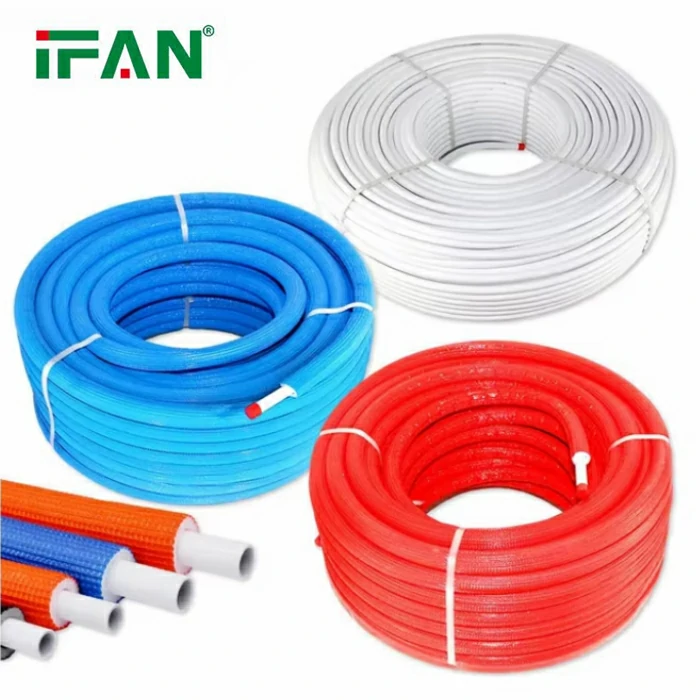
PPR Pipe: The Future of Plumbing with Its Unique Properties and Versatile Applications

This material offers exceptional resistance to chemical corrosion and high temperatures, making it suitable for a wide range of applications, including hot and cold water supply, heating systems, and even chemical transportation.

PPR pipe, or Polypropylene Random Copolymer Pipe, has emerged as a leading choice in the plumbing industry, offering unique properties and versatile applications that meet the demands of modern plumbing systems.

Unique Material Composition

PPR pipe stands out for its unique polypropylene random copolymer material composition. This material offers exceptional resistance to chemical corrosion and high temperatures, making it suitable for a wide range of applications, including hot and cold water supply, heating systems, and even chemical transportation.

Enhanced Durability and Longevity

PPR pipe’s durability and longevity are unmatched. Its polypropylene material is highly resistant to wear and tear, ensuring the pipe maintains its integrity and performance for years to come. Additionally, PPR pipe is less prone to leaks and bursts compared to traditional metal pipes, further enhancing its reliability and durability.

Environmentally Friendly and Sustainable

PPR pipe is an environmentally friendly and sustainable option for plumbing systems. It is made from recyclable materials and can be recycled at the end of its lifespan, reducing waste and minimizing the impact on the environment. Additionally, PPR pipe does not contain harmful chemicals or toxins, ensuring safe water supply for consumption.

Versatile Applications

PPR pipe’s versatility lies in its ability to be used in a wide range of applications. Whether it’s for domestic water supply, commercial buildings, or industrial applications, PPR pipe can meet the specific demands of each scenario. Its flexibility and ease of installation make it a suitable choice for both new construction and retrofit projects.

Advanced Connection Technology

PPR pipe’s connection technology is another key advantage. It utilizes fusion welding techniques that create secure and leak-free connections. This ensures the pipe system is reliable and durable, with minimal chances of failure or leaks.

Cost-Effective Solution

PPR pipe offers a cost-effective solution for plumbing systems. Its lightweight design and ease of installation reduce labor costs, while its durability and longevity minimize the need for frequent repairs and replacements. This results in lower overall maintenance costs and a higher return on investment.

In conclusion, PPR pipe is a superior choice for modern plumbing systems due to its unique material composition, enhanced durability and longevity, environmentally friendly and sustainable properties, versatile applications, advanced connection technology, and cost-effectiveness.

Free Sample(Click Here to Get Free Sample)

Share:

Facebook
Twitter
Pinterest
LinkedIn

Leave a Comment

Your email address will not be published. Required fields are marked *

On Key

Related Posts

What Are the Main Advantages of PEX Pipe in Residential Plumbing?

Choosing the right pipe is essential for a reliable residential plumbing system. PEX pipe has become a popular option for hot and cold water distribution because of its flexibility, convenient installation, and practical performance in many homes. It offers an alternative to traditional materials, such as copper, when the product meets local plumbing requirements. For

PEX Pipe vs Copper Pipe: Which Is Better for Modern Plumbing Systems?

Choosing between PEX pipe and copper pipe is a common decision in modern plumbing projects. Both materials are used for hot and cold water distribution, but they differ in cost, installation, flexibility, and maintenance requirements. The right option depends on the building, local plumbing codes, water conditions, and project budget. For contractors, wholesalers, and homeowners,

PEX-A vs PEX-B vs PEX-C Pipe: Key Differences, Benefits, and Applications

Choosing the right PEX pipe is an important step in any plumbing project. PEX-A, PEX-B, and PEX-C are three common types of cross-linked polyethylene pipe. They share many basic features, but their manufacturing processes, flexibility, and installation characteristics differ. For contractors, distributors, and plumbing buyers, understanding these differences can help simplify product selection. IFAN provides

How to Choose the Right PEX Pipe for Hot and Cold Water Plumbing

Choosing the right PEX pipe for hot and cold water plumbing is important for building a reliable water supply system. PEX pipes are widely used in residential buildings, commercial properties, and plumbing renovation projects because they are flexible and available in different sizes and specifications. However, not every PEX pipe is suitable for every application.

Multilayer Aluminum Pipe

Multilayer Aluminum Pipe for Professional Plumbing Contractors

Professional plumbing contractors need piping systems that are reliable, easy to install, and suitable for different building projects. A good pipe should also handle temperature changes, water pressure, and long-term use. This is why multilayer aluminum pipe has become an important option for modern plumbing installations. Unlike traditional single-layer plastic pipes, multilayer pipes combine different

Get Free Quote NOW