Introduction
PVC pipe manufacturers are gearing up for a robust fiscal year, with CRISIL projecting a 10%-12% volume growth. This optimistic outlook is fueled by increased demand across sectors such as agriculture, real estate, and infrastructure. As PVC pipes continue to dominate the market due to their durability and cost-effectiveness, manufacturers are preparing to meet this rising demand. In this article, we delve into the factors driving this growth, the challenges ahead, and how the industry is positioning itself for success.
Key Drivers of Growth for PVC Pipe Makers
1. Agricultural Demand
PVC pipes are indispensable for irrigation systems, especially in water-scarce regions. Governments and private entities are investing in modernizing irrigation infrastructure, driving significant demand.
2. Real Estate Development
The real estate sector’s resurgence post-pandemic has boosted the need for plumbing and drainage solutions, where PVC pipes are a preferred choice. Residential and commercial construction projects rely heavily on these pipes for cost-efficient and long-lasting installations.
3. Infrastructure Projects
Large-scale government initiatives, such as smart cities, urban water supply systems, and rural electrification, are spurring demand for PVC pipes. These projects aim to improve access to essential utilities, making PVC pipes a crucial component.
4. Shift Towards Sustainable Solutions
The industry’s shift toward recyclable and eco-friendly PVC pipe options aligns with global sustainability goals, increasing their appeal to environmentally conscious consumers and businesses.
5. Increased Awareness and Adoption
Rising awareness of PVC pipes’ advantages—such as corrosion resistance, easy installation, and cost savings—has led to higher adoption rates across industries.
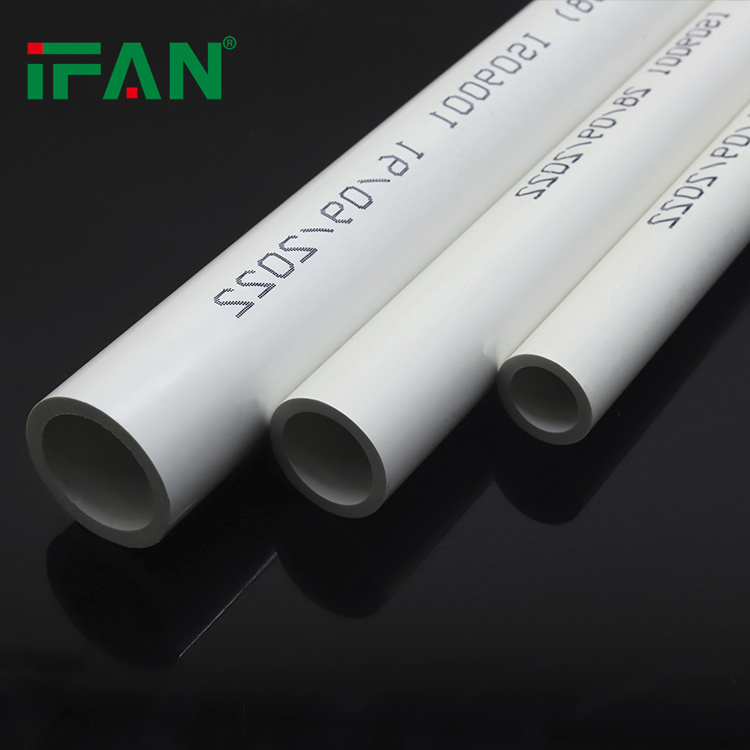
CRISIL’s Projections and Market Insights
According to CRISIL, the 10%-12% volume growth for PVC pipe makers is not only achievable but also indicative of a healthy market rebound. The following trends have been highlighted:
- Rising Investments in Water Management
Governments are focusing on improving water supply and drainage systems, providing a steady pipeline of projects for PVC manufacturers. - Export Opportunities
With global demand for PVC pipes on the rise, manufacturers in countries like India and China are exploring export markets to sustain growth. - Recovery in Margins
Despite raw material price fluctuations, manufacturers are expected to see stable profit margins as production scales up and supply chains stabilize.
Challenges Facing the PVC Pipe Industry
1. Raw Material Price Volatility
The price of PVC resin, a critical input, is subject to global supply and demand dynamics. Any disruptions can significantly impact production costs.
2. Environmental Concerns
Although PVC pipes are recyclable, their environmental impact during production and disposal remains a concern. Manufacturers must invest in greener solutions to stay competitive.
3. Competition from Alternative Materials
Materials like HDPE and PEX are gaining traction in specific applications, posing competition for PVC pipes.
4. Logistical Challenges
Supply chain disruptions, whether due to geopolitical tensions or natural disasters, can delay production and delivery timelines.
Opportunities for PVC Pipe Makers
1. Technological Advancements
Adopting innovations such as sensor-integrated pipes and high-pressure systems can help manufacturers cater to niche markets.
2. Diversification of Product Lines
Offering a broader range of products, including industrial-grade and specialty pipes, can help manufacturers capture a larger market share.
3. Focus on Emerging Markets
Developing economies present immense opportunities as they ramp up infrastructure development. Targeting these regions can drive long-term growth.
4. Collaboration with Governments and NGOs
Partnering on public water and sanitation projects can provide steady demand while enhancing brand credibility.
The Role of Sustainability in PVC Pipe Growth
Sustainability is becoming a key focus for PVC pipe manufacturers. Efforts to reduce carbon footprints, utilize recycled materials, and develop eco-friendly alternatives are shaping the industry. These measures not only address environmental concerns but also attract a growing segment of environmentally conscious buyers.
Future Outlook
With a strong demand pipeline and favorable market conditions, the PVC pipe industry is well-positioned for growth in the coming fiscal year. Manufacturers must address challenges proactively and seize emerging opportunities to sustain this momentum.
Conclusion
The 10%-12% projected growth for PVC pipe makers in this fiscal year, as highlighted by CRISIL, underscores the sector’s resilience and adaptability. From agricultural irrigation to large-scale infrastructure projects, PVC pipes remain indispensable in modern development. By embracing innovation, sustainability, and diversification, the industry can maintain its upward trajectory while meeting the evolving demands of a dynamic market.
FAQs About PVC Pipe Growth and Market Trends
1. Why are PVC pipes so popular in infrastructure projects?
PVC pipes are durable, lightweight, corrosion-resistant, and cost-effective, making them ideal for various applications in infrastructure development.
2. What factors are driving the growth of PVC pipes this fiscal year?
The growth is driven by increased demand in agriculture, real estate, and large-scale government infrastructure projects, along with a shift toward sustainable solutions.
3. How is sustainability shaping the PVC pipe industry?
Manufacturers are adopting eco-friendly practices, including recycling and using sustainable materials, to reduce environmental impact and meet consumer demands.
4. What are the major challenges for PVC pipe manufacturers?
Key challenges include raw material price volatility, competition from alternative materials, and logistical disruptions.
5. How can PVC pipe makers sustain long-term growth?
By investing in technological advancements, exploring new markets, diversifying product lines, and collaborating with governments, manufacturers can sustain growth and stay competitive