Say Goodbye to Plumbing Problems with PPR Valve
Introduction:
Plumbing problems can be a significant concern for households and businesses alike. Leaky and faulty pipes can cause significant damage to property and lead to hefty repair costs. However, with the introduction of PPR valves, plumbing concerns have become a thing of the past. This article will highlight the benefits of PPR valves and why they are essential in today’s plumbing systems.

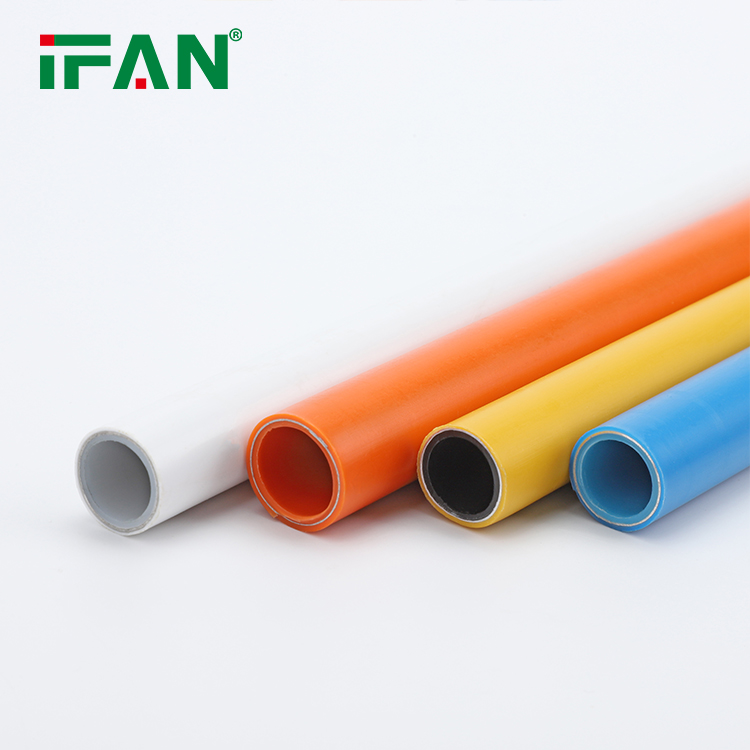
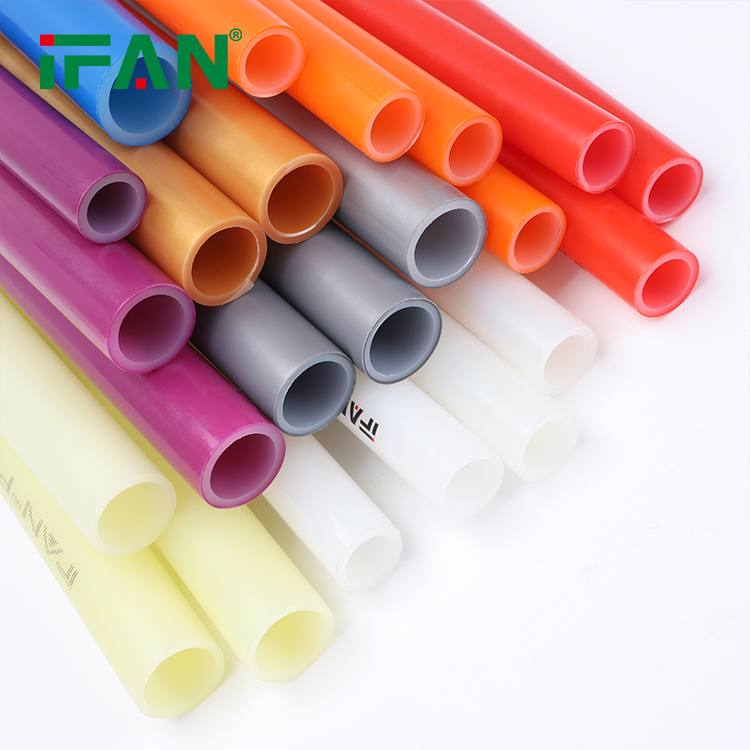
PPR (Polypropylene Random Copolymer) valves are components of the plastic piping system. These valves are known for their durability and strength, making them an ideal option for water supply systems. PPR valves come in various sizes and can withstand high temperatures and pressures, making them ideal for hot water systems.
Advantages of PPR valves:
- Durability: PPR valves are known for their durability and strength. These valves can withstand harsh chemical agents, making them an ideal option for waste and sewer systems.
- Easy to Install: PPR valves are incredibly lightweight, making them easy to install and handle. This feature makes them an ideal option for DIY plumbing projects.
- Leak-proof: PPR valves are known for their leak-proof characteristics, making them an ideal option for water supply systems. This feature saves individuals money in water bills and reduces damage to property.
- Low Maintenance: PPR valves require minimal maintenance in comparison to traditional copper and PVC pipes. This feature saves individuals time and money in repairs and replacements.
- Environmentally Friendly: PPR valves are environmentally friendly and do not contain harmful chemicals, making them a safe option for drinking water systems.
Conclusion:
PPR valves are increasingly becoming an essential component of plumbing systems, thanks to their durability, leak-proof characteristics, and ease of installation. Say goodbye to plumbing problems and save money by switching to PPR valves. The eco-friendly nature and low-maintenance requirements make PPR valves an ideal option for households and businesses alike. Contact your local plumbing contractor to learn more about the benefits of PPR valves and how they can improve your plumbing system.