The Cost-Effectiveness of Brass Fittings: Saving You Money in the Long Run
As a property owner or manager, one of your top priorities is to ensure that your plumbing systems are always in good condition. Pipes and fittings that fail or break down can lead to water leaks, mold growth, and costly repairs. When it comes to selecting plumbing fittings, brass fittings are an excellent choice for cost-effectiveness. Here’s why.
Longevity and Durability
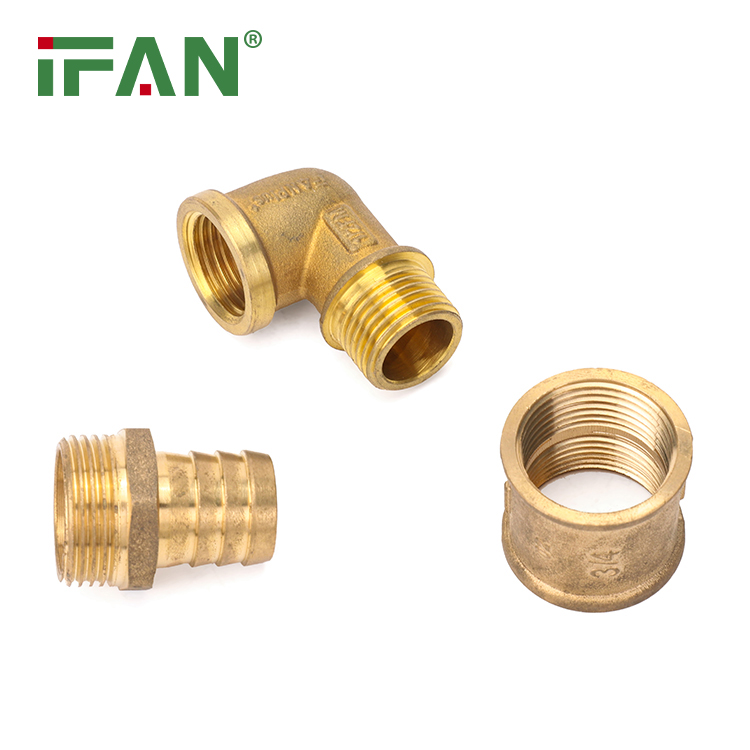
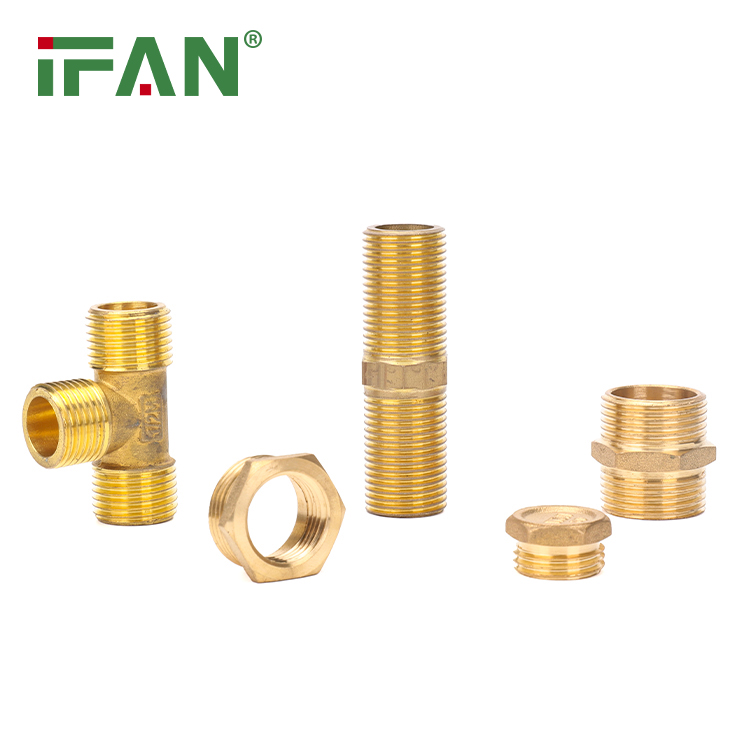
Brass fittings are known to be sturdy and long-lasting. They can withstand high pressure and temperature fluctuations, making them suitable for use in a variety of plumbing systems. These fittings do not rust or corrode, which makes them the ideal choice for use in underground plumbing and areas with high humidity. The longevity and durability of brass fittings make them an excellent investment for any property owner or manager.
Cost-Effective Choice
While brass fittings may be slightly more expensive to purchase initially, they are a cost-effective option in the long run. Brass fittings require minimal maintenance and are less likely to fail or break down, unlike other types of fittings that require frequent replacement. Brass fittings have a longer lifespan, which translates to less money spent on costly repairs, replacements, and maintenance over time.
Energy Efficiency
Brass fittings have excellent thermal conductivity, which allows them to transfer heat more efficiently than other types of fittings. This property is essential in buildings that require hot water for heating and other uses. When brass fittings are used in hot water systems, they help to reduce energy consumption and heating costs.
Reduced Environmental Impact
Brass fittings are environmentally friendly. Unlike plastic fittings, they do not leach chemicals into the water supply or release harmful toxins when disposed of. Brass fittings are also recyclable and can be reused instead of being discarded into landfills.
In conclusion, brass fittings may require a slightly higher initial investment, but their longevity, durability, energy efficiency, and reduced environmental impact make them a cost-effective choice in the long run. Whether you are a homeowner or property manager, investing in brass fittings is a smart choice that saves you money and time and contributes to a healthier environment.