The Versatility of Brass Fittings: Adaptable to Various Plumbing Applications
Introduction
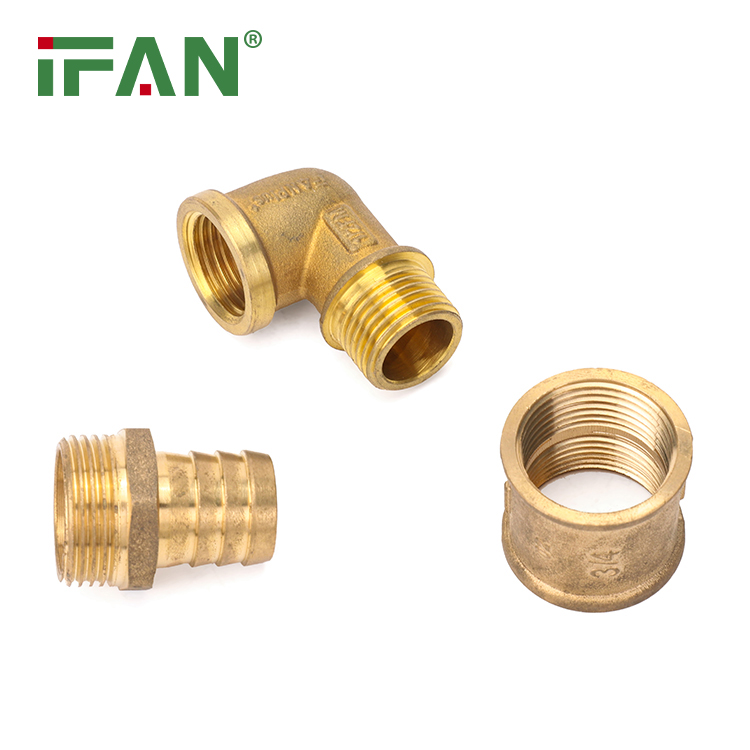
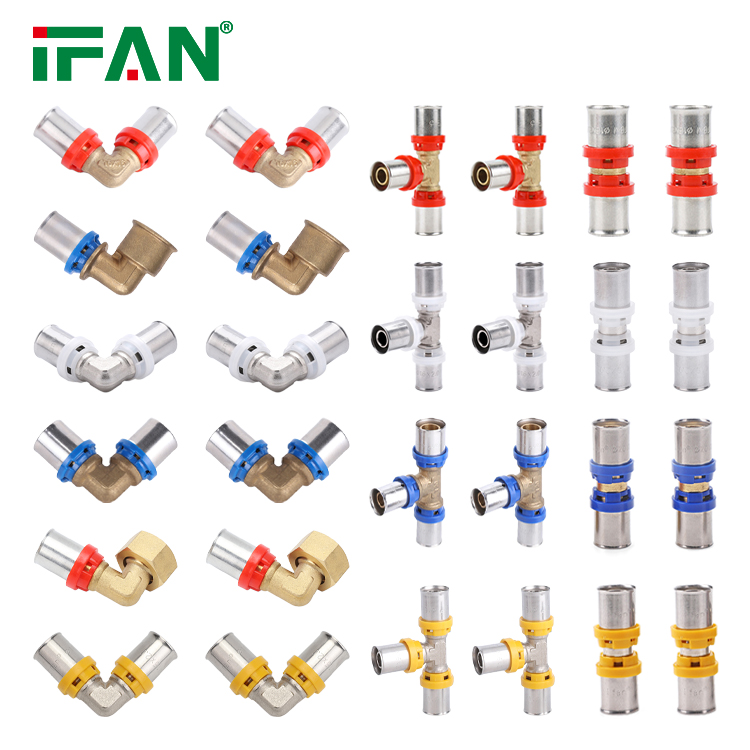
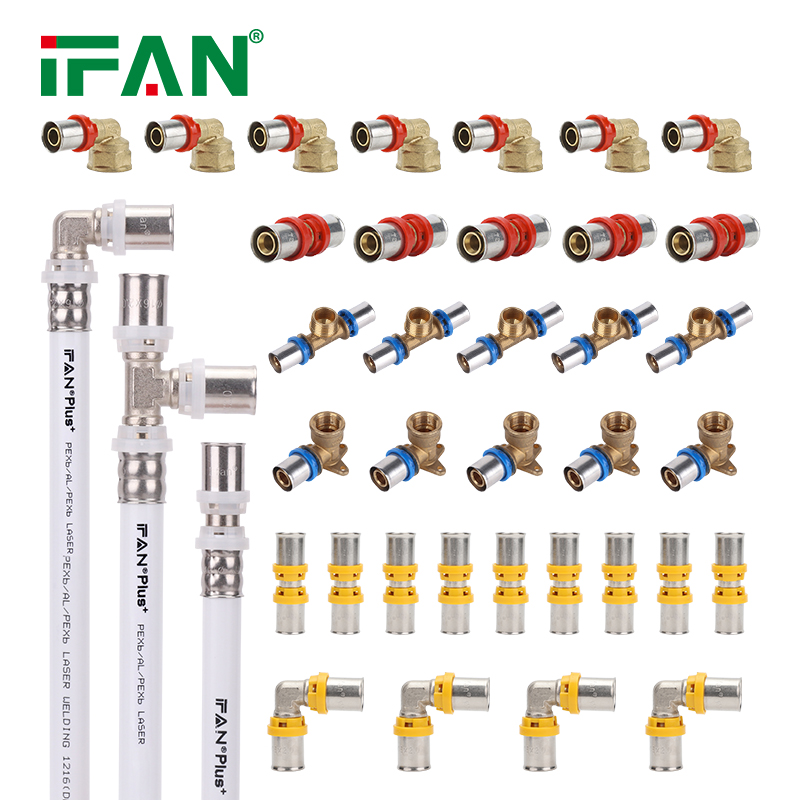
Brass fittings have been in use for centuries, and for a good reason. Brass fittings are known for their strength, durability, and resistance to corrosion. They are commonly used in plumbing applications due to their ability to adapt to different types of pipes and fittings. This article will explore the versatility of brass fittings and their adaptability to various plumbing applications.
Adaptable to Different Types of Pipes
One of the key strengths of brass fittings is their ability to adapt to different types of pipes. Whether the pipe is made of copper, PVC, or any other material, brass fittings provide a secure and durable connection. Brass fittings are commonly used in residential and commercial plumbing systems, as they can withstand high pressure, heat, and aggressive chemicals without corroding or leaking.
Versatile Applications
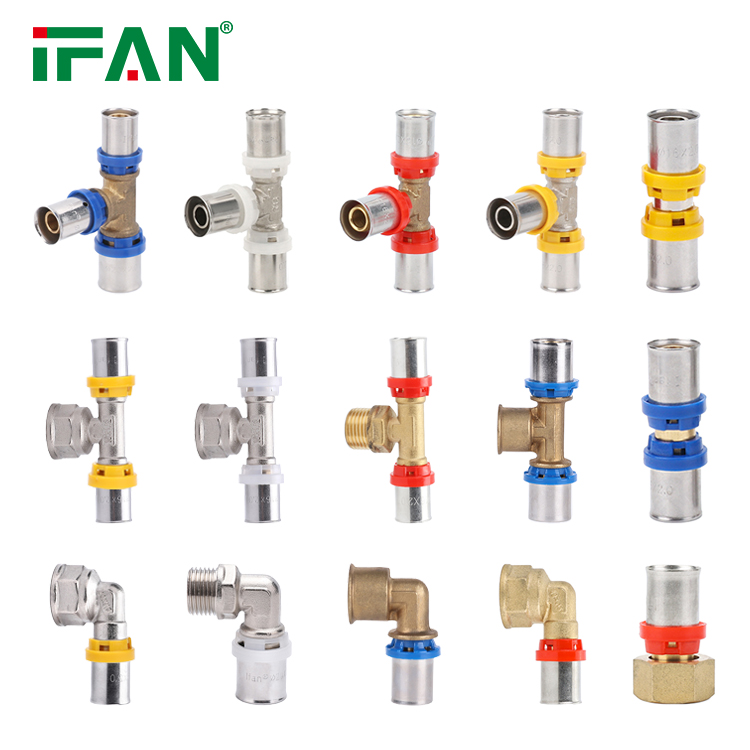
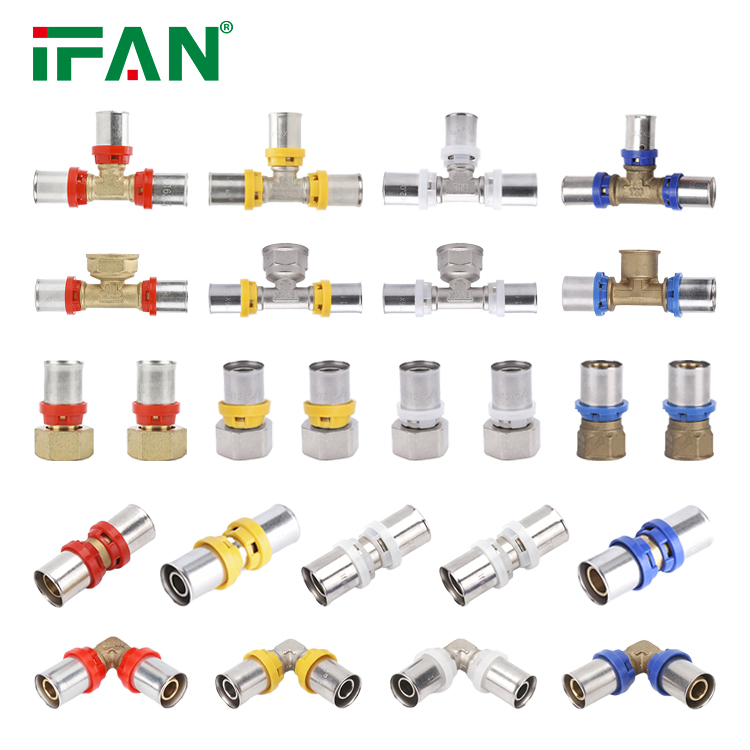
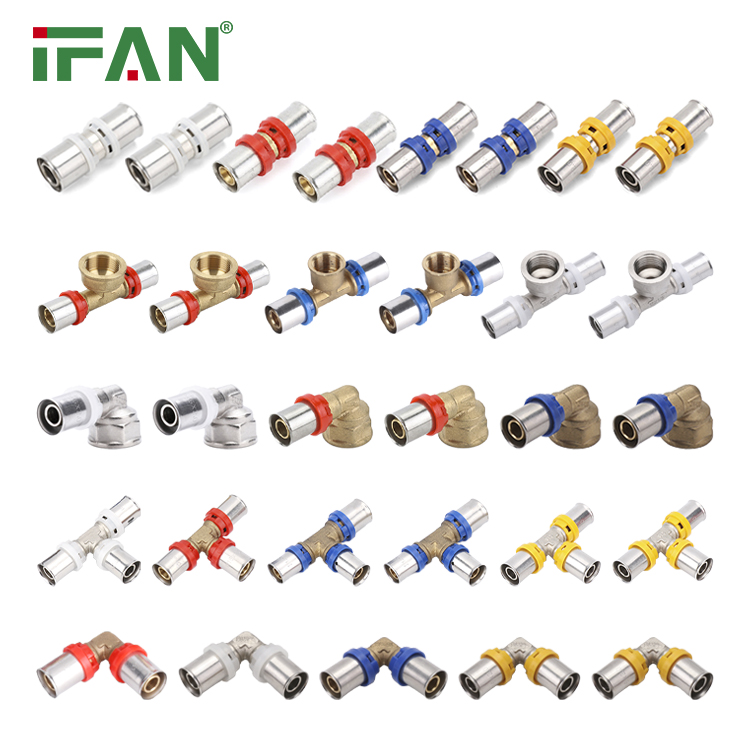
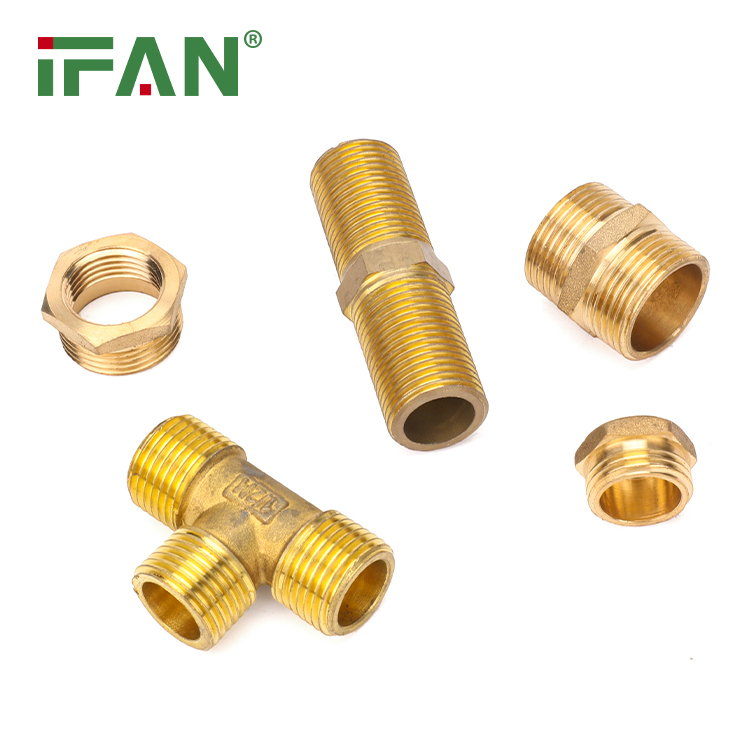
Another benefit of brass fittings is their versatility in plumbing applications. Brass fittings are available in various sizes and shapes, making them ideal for different plumbing purposes. Some common applications include plumbing fixtures such as faucets, valves, and toilets. Brass fittings are also used in HVAC (Heating, Ventilation, and Air Conditioning) systems, water filtration systems, and irrigation systems.
Resistance to Corrosion
Brass fittings are resistant to corrosion, making them an ideal choice for plumbing applications. They do not rust or corrode easily, even when exposed to high humidity, chemicals, or hard water. This makes brass fittings a reliable option for residential and commercial plumbing systems. The resistance to corrosion extends the lifespan of the plumbing system, reducing the need for frequent repairs or replacements.
Cost-Effective Solution
Brass fittings are a cost-effective solution for plumbing systems. They are widely available and affordable, making them an ideal option for new installations and repairs. Brass fittings are easy to work with, reducing the required labor and installation time, further reducing the cost.
Conclusion
Brass fittings are a reliable and versatile option for plumbing applications. Their ability to adapt to different types of pipes, resistance to corrosion, and versatility in applications make them an ideal choice for both residential and commercial plumbing systems. They are a cost-effective solution, reducing the cost of installation and repairs. The use of brass fittings ensures a long-lasting, durable, and reliable plumbing system.