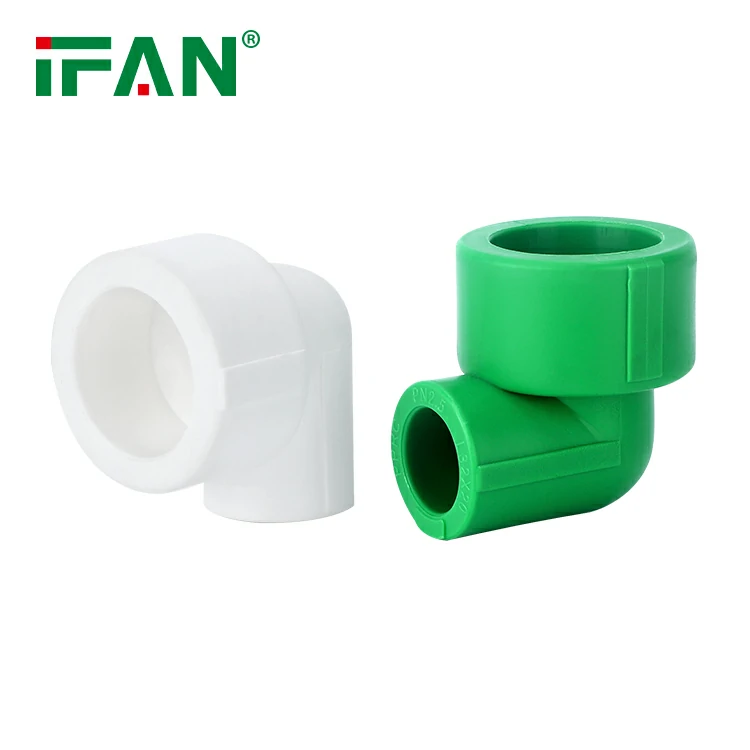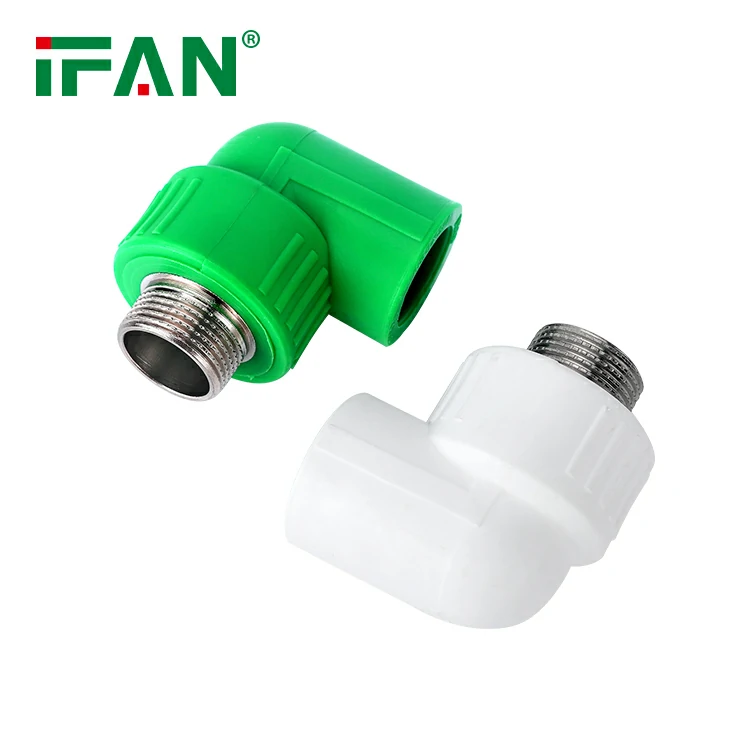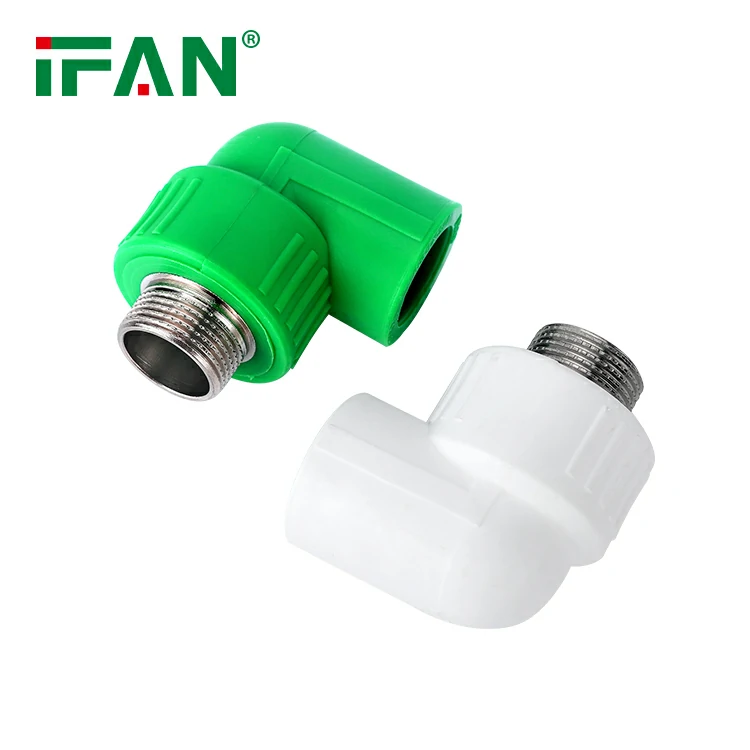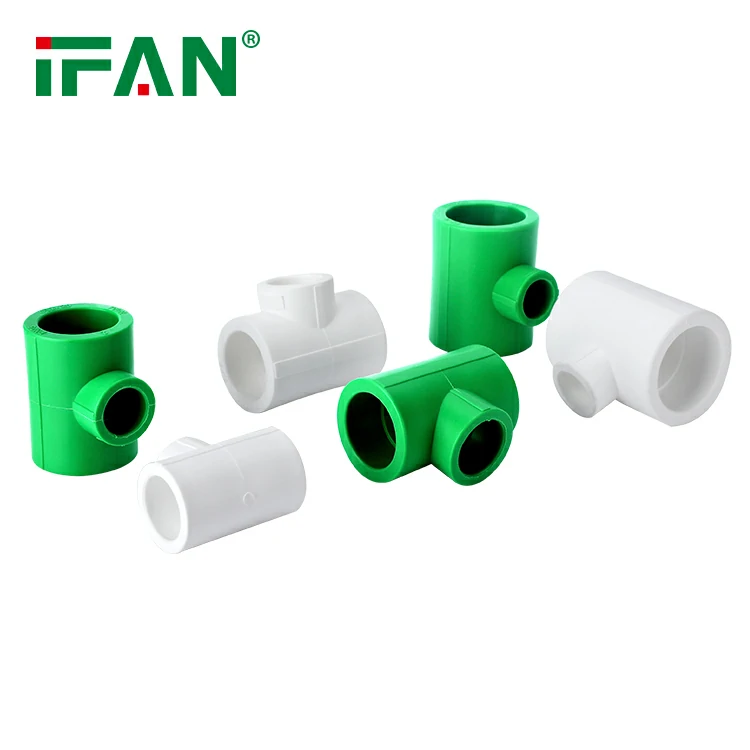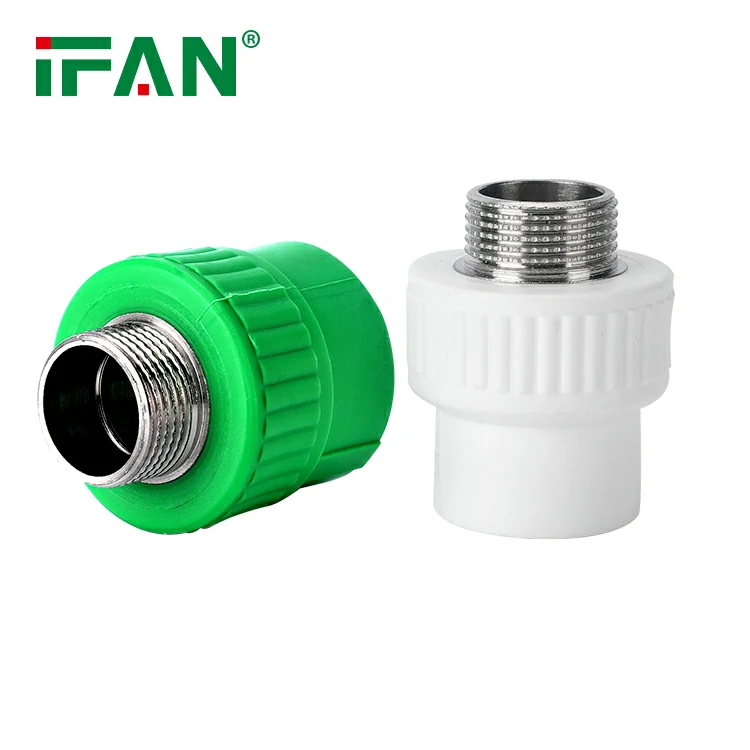
IFAN factory 30+ years manufacture experience support color /size customization support free sample.Welcome to consult for catalog and free samples.This is our Facebook Website:www.facebook.com,Click to watch IFAN’s product video.Compared with Tomex products, our IFAN products from quality to price are your best choice, welcome to buy!
Brass fittings are widely recognized for their exceptional durability and reliability, especially in environments where other materials may fail. The combination of copper and zinc in brass makes it a highly resilient material, capable of withstanding extreme conditions such as high pressure, temperature fluctuations, and exposure to moisture and chemicals. In this article, we’ll explore the durability and longevity of brass fittings in harsh environments, and why they are an essential choice for various industries, including plumbing, HVAC systems, and industrial machinery.
What Are Brass Fittings?
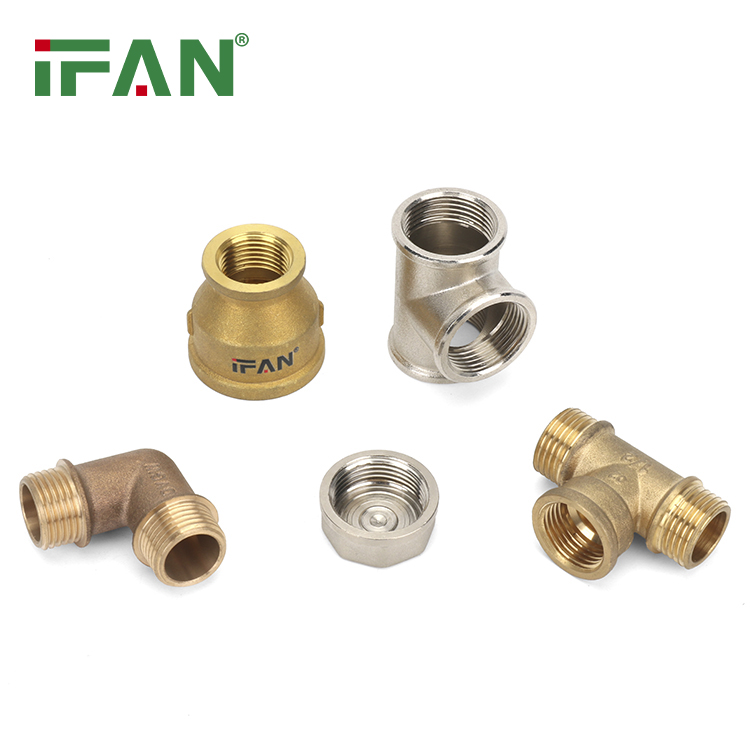
Brass fittings are hardware components made from a metal alloy primarily composed of copper and zinc. The resulting material is known for its excellent strength, corrosion resistance, and malleability. Brass fittings are commonly used in a wide range of applications, from plumbing systems and industrial machinery to automotive and HVAC systems.
The Key Properties of Brass Fittings
Brass fittings are valued for several key properties that make them suitable for harsh environments:
- Corrosion Resistance: Brass is highly resistant to corrosion, making it ideal for use in environments where the fittings may come into contact with water, chemicals, or salt.
- Strength and Durability: Brass is a strong material that can withstand high pressures and extreme temperatures, which is crucial in many industrial and residential applications.
- Malleability: Brass is easy to shape and machine, allowing for the creation of custom fittings that are essential in complex systems.
- Conductivity: Brass also has good electrical and thermal conductivity, which is beneficial in applications like HVAC systems and electrical systems.
With these properties, brass fittings can stand up to the demands of harsh environments, ensuring long-lasting and reliable performance.
How Brass Fittings Perform in Harsh Environments
1. High-Pressure Environments
Brass fittings are commonly used in high-pressure systems, such as hydraulic and pneumatic systems, where the material must withstand significant pressure without cracking or leaking. The strength of brass, coupled with its ability to form tight seals, ensures that brass fittings can maintain their integrity even under extreme pressure conditions. This is why brass is a preferred choice in industries such as aerospace, automotive, and oil and gas, where high-pressure environments are common.
In hydraulic systems, for instance, brass fittings are used to connect pipes and tubes, ensuring that fluids are transferred smoothly and without leaks. The durability of brass in these settings helps to avoid costly maintenance and downtime.
2. Temperature Extremes
Brass fittings are also known for their ability to withstand extreme temperatures. Whether exposed to freezing cold or scorching heat, brass retains its strength and resilience. In environments where temperature fluctuations are common—such as in industrial plants, HVAC systems, and refrigeration units—brass fittings can endure both high and low-temperature conditions without becoming brittle or warping.
In HVAC systems, brass fittings are frequently used to connect refrigerant lines or air ducts, where temperature changes are constant. The material’s resistance to thermal expansion ensures that the fittings remain secure and leak-free throughout their lifespan.
3. Exposure to Corrosive Elements
In harsh environments, exposure to corrosive substances like saltwater, chemicals, or acids is often unavoidable. Brass fittings offer excellent resistance to corrosion, particularly in environments with high humidity or where water and chemicals are regularly present. Unlike steel or iron, which can rust or degrade when exposed to moisture, brass fittings resist oxidation and maintain their integrity over time.
In marine environments, for example, brass fittings are commonly used in boats and offshore oil rigs where exposure to saltwater is constant. Brass’s resistance to saltwater corrosion makes it a preferred choice for these demanding applications, as it ensures long-lasting performance in the face of extreme weather and environmental conditions.
4. Chemical Resistance
The combination of copper and zinc in brass provides resistance to a wide variety of chemicals, including alkaline substances, acids, and solvents. This makes brass fittings ideal for use in chemical processing plants, pharmaceutical industries, and food and beverage manufacturing, where exposure to harsh chemicals is a daily occurrence.
Brass fittings used in these industries must maintain their structural integrity and prevent leaks, even when exposed to aggressive chemicals. The corrosion-resistant nature of brass ensures that fittings do not degrade or contaminate the materials they come in contact with.
5. Impact of Wear and Tear
Brass is a durable material, but like all metals, it is subject to wear and tear over time. However, brass fittings are highly resistant to physical damage, such as cracking or chipping, even in environments with high levels of abrasion. In industrial settings, where machinery and equipment are subject to constant movement or friction, brass fittings are able to withstand the rigors of these conditions without losing their functionality.
Brass’s resistance to wear and tear makes it ideal for use in high-traffic areas or machinery parts that experience constant motion. The ability of brass to resist damage from friction helps to reduce maintenance costs and downtime, which is critical for industries that rely on the uninterrupted operation of their equipment.
Longevity of Brass Fittings in Harsh Environments
The longevity of brass fittings in harsh environments can be attributed to their exceptional material properties. Brass fittings are designed to endure for many years without significant degradation, making them a cost-effective solution in both residential and industrial applications.
- Reduced Maintenance Costs: Due to their resistance to corrosion and wear, brass fittings require less maintenance and fewer replacements, reducing overall costs for businesses and homeowners alike.
- Extended Lifespan: Brass fittings can last for decades in harsh environments, ensuring that systems remain functional and efficient over time. This extended lifespan minimizes the need for costly repairs or replacements.
- Consistent Performance: The performance of brass fittings remains reliable throughout their lifespan, ensuring that systems continue to operate as intended without interruptions or failures.
Whether used in plumbing systems, automotive applications, or industrial machinery, brass fittings offer unparalleled durability and longevity, making them an ideal choice for harsh environments.
Common Industries That Benefit from Brass Fittings
Several industries rely on the unique properties of brass fittings to ensure the efficiency and safety of their operations:
- Plumbing: Brass fittings are commonly used in water supply systems, waste disposal systems, and gas lines, where they provide reliable, leak-proof connections.
- HVAC: In heating, ventilation, and air conditioning systems, brass fittings are used to connect refrigerant lines, valves, and air ducts, offering resistance to extreme temperatures and corrosion.
- Automotive: Brass fittings are frequently used in automotive applications, such as fuel systems, brake lines, and cooling systems, where they help maintain a secure, leak-free operation.
- Oil and Gas: In the oil and gas industry, brass fittings are used in pipelines and equipment that transport oil, gas, and other fluids, offering resistance to both corrosion and pressure.
- Marine: Brass fittings are extensively used in marine environments, where they provide resistance to saltwater corrosion and ensure the longevity of boats and offshore equipment.
Conclusion
Brass fittings offer unmatched durability and longevity, especially in harsh environments. Their resistance to corrosion, high-pressure endurance, and ability to withstand extreme temperatures make them ideal for a wide range of applications across various industries. Whether used in plumbing systems, industrial machinery, or marine applications, brass fittings ensure reliable, long-lasting performance, reducing maintenance costs and minimizing downtime. The unique properties of brass make it an essential material for anyone looking to create secure, efficient systems in challenging environments.
Frequently Asked Questions (FAQs)
1. Are brass fittings suitable for high-pressure systems?
Yes, brass fittings are ideal for high-pressure systems. Their strength and durability ensure they can withstand significant pressure without cracking or leaking.
2. Can brass fittings resist extreme temperatures?
Yes, brass fittings perform well in both high and low-temperature environments. They retain their strength and functionality even in extreme temperature conditions.
3. Are brass fittings resistant to corrosion?
Yes, brass fittings are highly resistant to corrosion, making them suitable for environments exposed to moisture, saltwater, and chemicals.
4. How long do brass fittings typically last?
Brass fittings can last for decades when properly maintained, providing long-term durability in harsh environments.
5. Can brass fittings be used in marine environments?
Yes, brass fittings are widely used in marine applications because of their excellent resistance to saltwater corrosion and ability to withstand the challenging conditions of marine environments.