The Durability of Brass Fittings for Gas and Oil Applications
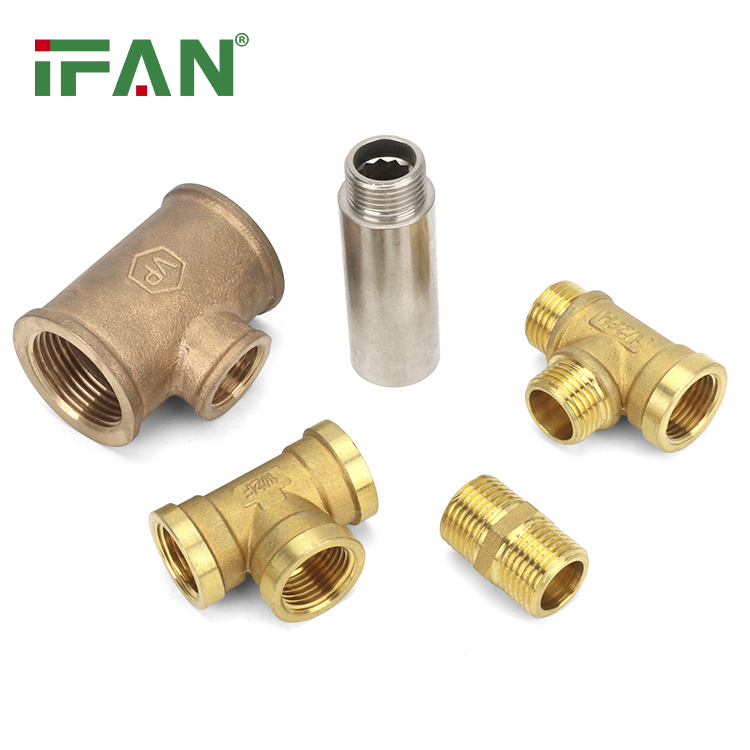
Brass fittings are an ideal solution for gas and oil applications due to their exceptional durability, strength, and versatility. In this article, we will explore the unique characteristics of brass fittings and how they provide superior performance in gas and oil applications.
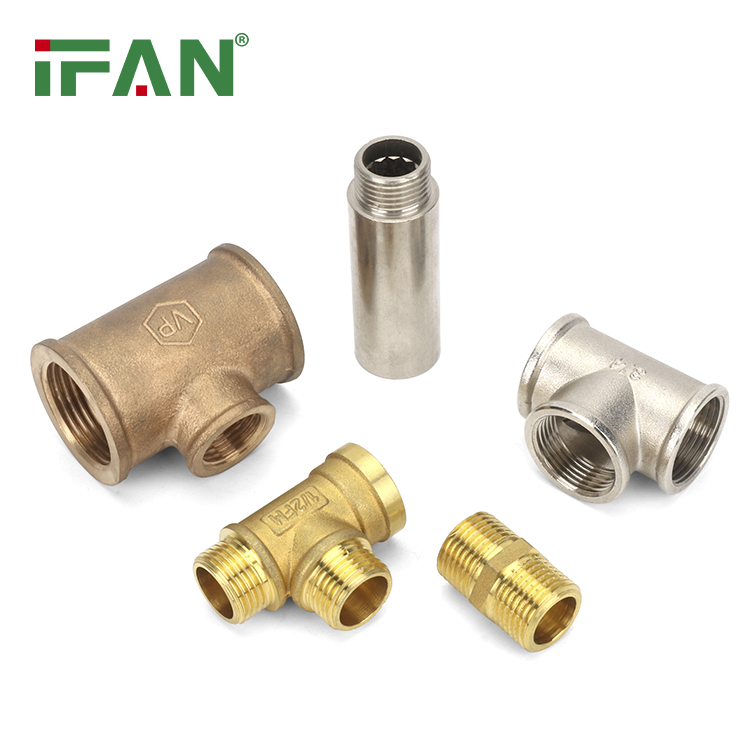
Brass fittings are made from a brass alloy that consists of copper and zinc. This combination makes them highly resistant to corrosion, chemicals, and wear and tear. They are also resistant to high temperatures and pressure, making them a suitable option for gas and oil applications.
The benefit of brass fittings is that they provide superior strength and flexibility. Brass is a material that can be bent and reshaped without compromising its strength. This ability allows for brass fittings to be used in a variety of applications, including gas and oil pipelines, high-pressure systems, and other industrial applications. Brass fittings can also be easily connected to other types of pipes or tubes, making them a versatile option.
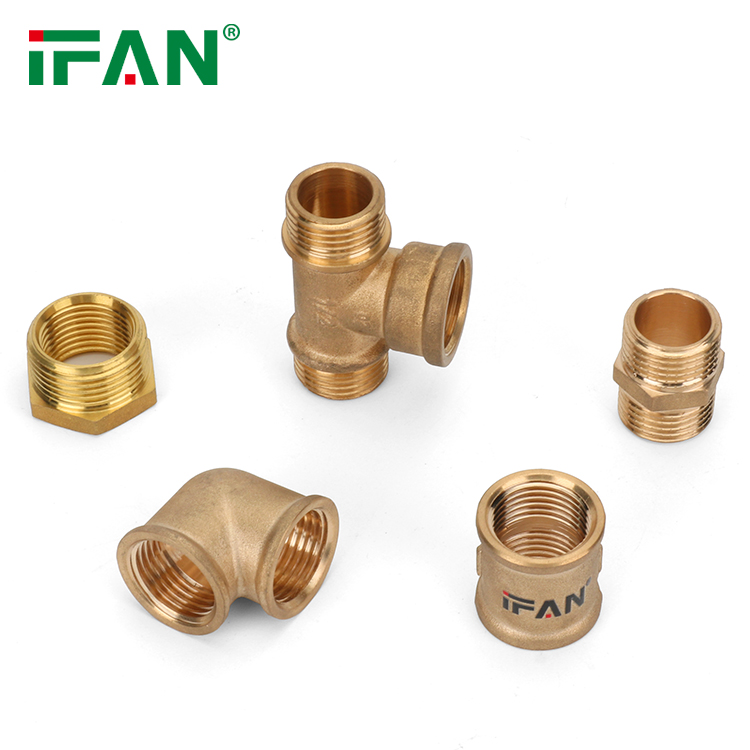
Another key feature of brass fittings is that they are highly durable and long-lasting. Because of their resistance to corrosion and wear, brass fittings can withstand harsh environments and extreme conditions without breaking down or requiring frequent replacements. This makes brass fittings a cost-effective choice for gas and oil applications that require a reliable, long-lasting solution.
Brass fittings also offer superior value in terms of safety. Brass fittings are designed to seal tightly and securely, which helps to prevent gas and oil leaks and reduces the risk of fire or explosion. This feature is critical for ensuring the safety of workers and the environment.
In conclusion, it is clear that brass fittings offer exceptional performance and value in gas and oil applications. Their unique combination of strength, durability, and versatility makes them an ideal solution for a wide range of applications. If you are looking for a reliable and long-lasting option for your gas and oil needs, consider brass fittings.