Brass Fittings: Cost-Efficient Solutions for Your HVAC Systems
When it comes to heating, ventilation, and air conditioning (HVAC) systems, the importance of brass fittings cannot be overstated. These brass fittings are essential components that connect different parts of HVAC systems and ensure they work efficiently and effectively.
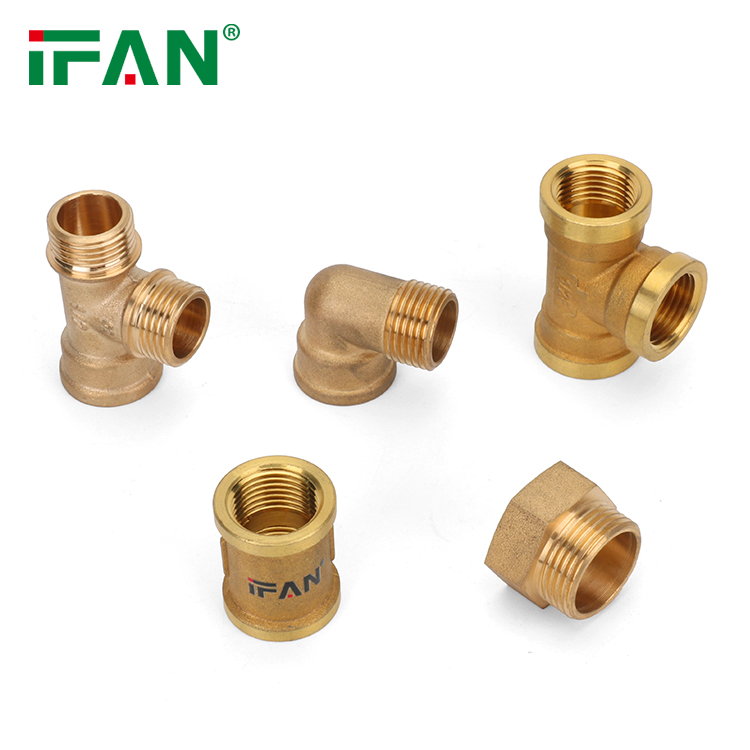
Brass fittings are made of brass, a copper and zinc alloy that offers a unique set of features, including resistance to corrosion, high durability, and the ability to withstand high pressure and temperature changes. These qualities make brass fittings ideal for use in HVAC systems, where maintaining steady pressure and temperature is critical.
One of the most significant benefits of using brass fittings in HVAC systems is their cost-effectiveness. Brass fittings are affordable, and their long-lasting properties make them cost-efficient in the long run. Unlike other materials used in HVAC systems, brass fittings require little to no maintenance, which translates into lower operating costs and fewer replacements.
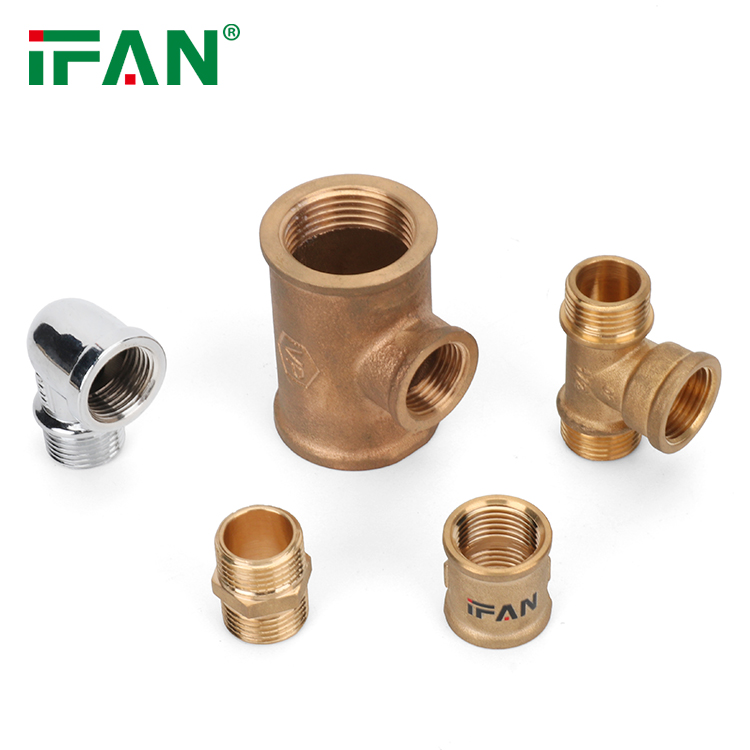
Another advantage of brass fittings in HVAC systems is their versatility. These fittings come in various shapes and sizes, which allows them to fit into any HVAC system and accommodate any needed modifications. Brass fittings are also easy to install, requiring only basic tools and minimal expertise.
Besides being cost-efficient and versatile, brass fittings are also environmentally friendly. Brass is a recyclable material, making it a sustainable choice for HVAC systems. Furthermore, brass fittings require little energy to produce, reducing the carbon footprint associated with manufacturing HVAC components.
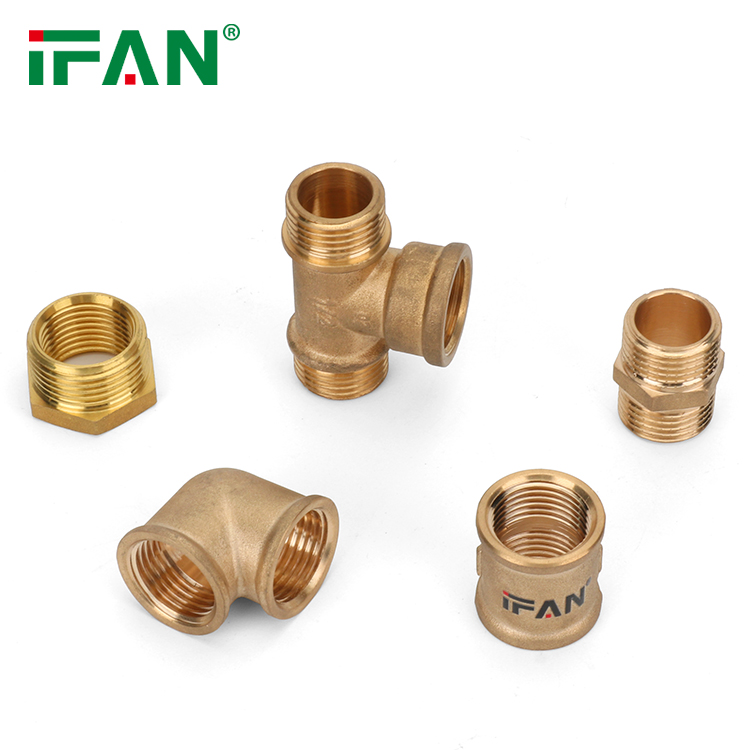
In conclusion, brass fittings are a valuable component of HVAC systems that offer cost-effective and versatile solutions. Their durability, resistance to corrosion, and ease of installation make them ideal for use in HVAC systems. If you’re in the market for HVAC components, consider choosing brass fittings for their value, flexibility, and longevity.
Take action today to ensure a healthy and efficient HVAC system in your home or business.