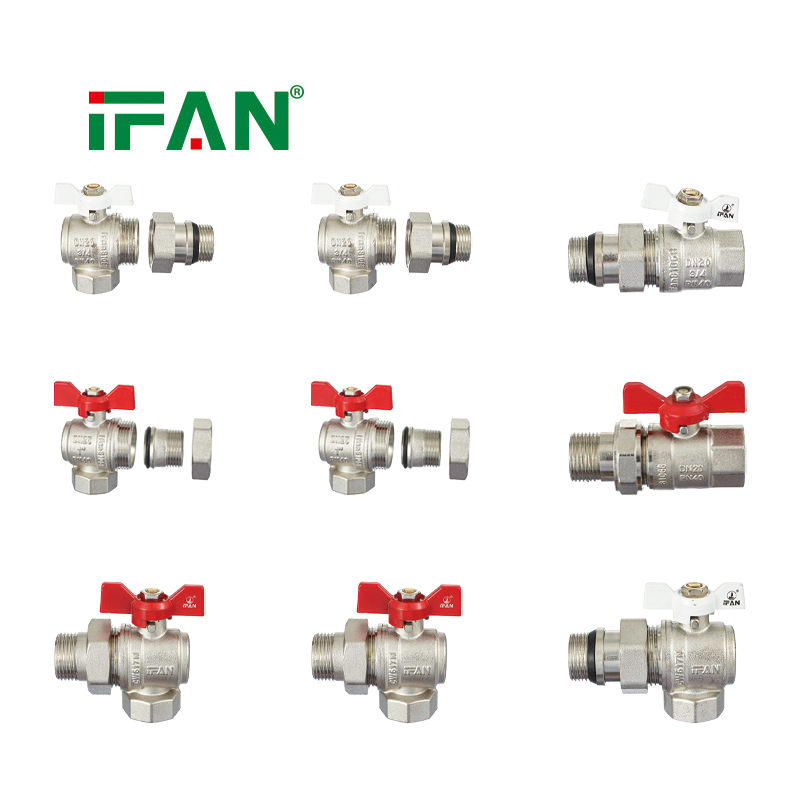
The Importance of Brass Fittings in Water Systems
Introduction
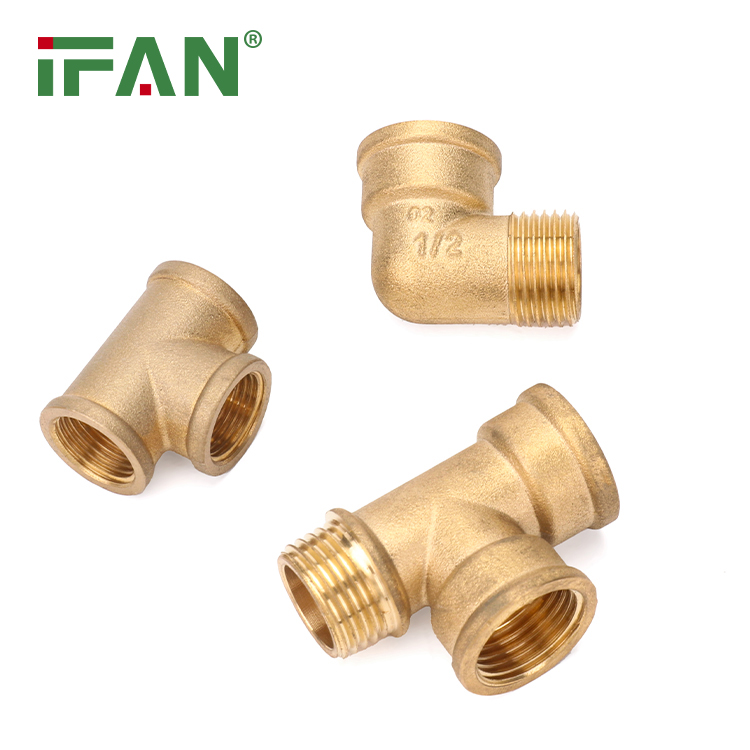
Brass fittings play a vital role in water systems, offering numerous benefits and ensuring the efficient and reliable flow of water in various applications. This article explores the significance of brass fittings and highlights their importance in water systems.
Enhanced Durability
One significant advantage of brass fittings is their exceptional durability. Due to the unique properties of brass, such as corrosion resistance and strength, these fittings are highly resistant to wear and tear. They can withstand harsh environmental conditions, making them ideal for use in water systems, which often encounter high pressure, fluctuating temperatures, and exposure to chemicals.
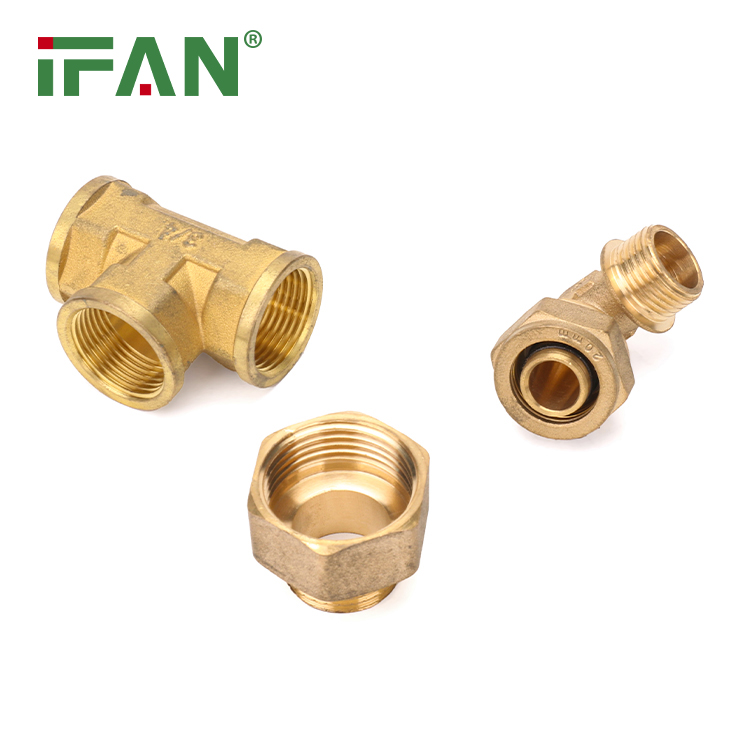
Leak Prevention
Leakages in water systems can lead to significant water waste, as well as damage to infrastructure and property. Brass fittings are renowned for their excellent sealing capabilities, ensuring a tight and secure connection between pipes and fixtures. Their superior sealing properties significantly reduce the risk of leakage, promoting water conservation and preventing potential water damage.
Compatibility and Versatility
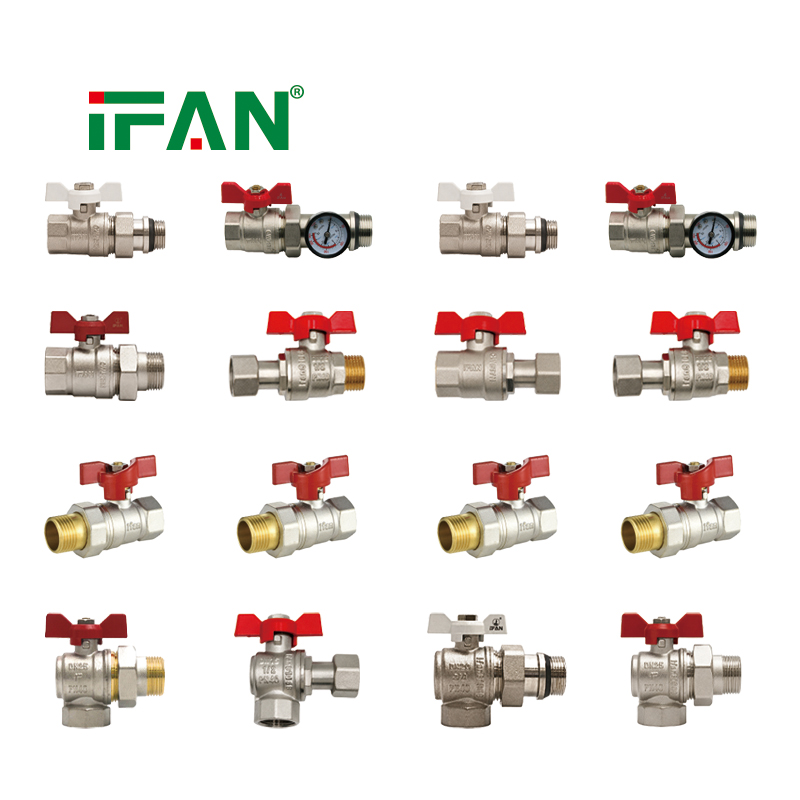
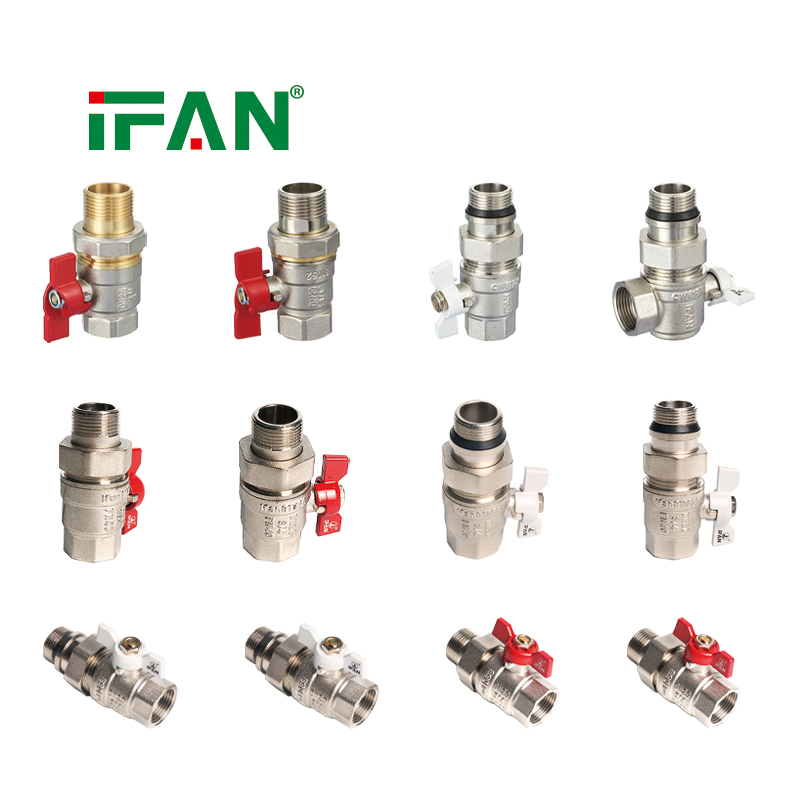
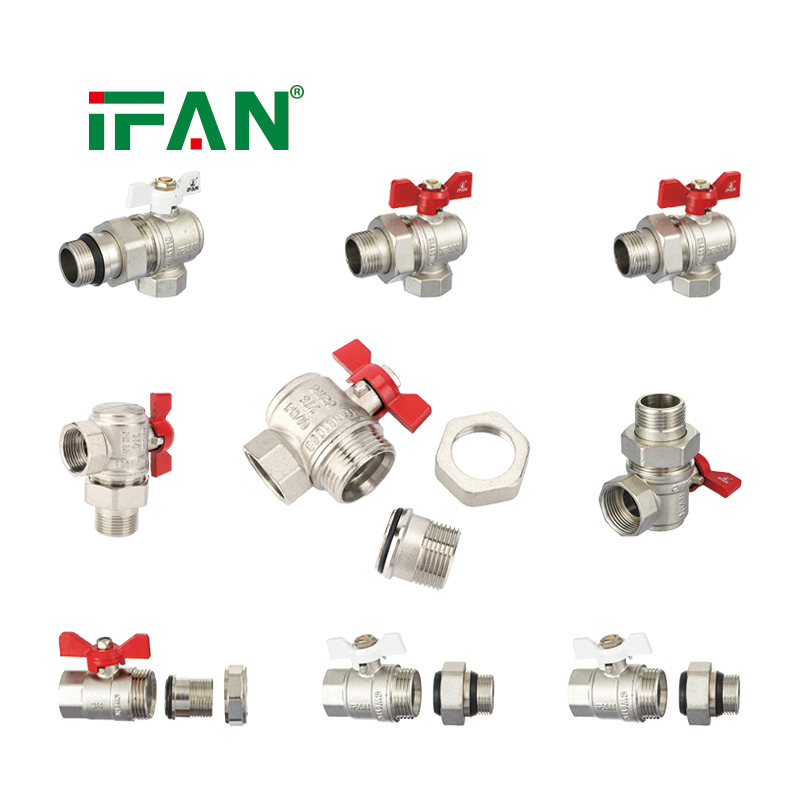
Brass fittings are compatible with various types of pipes and materials commonly used in water systems. They can be easily connected with copper, PVC, or PEX pipes, offering versatility in installation. Moreover, brass fittings are available in a wide range of sizes, shapes, and configurations, allowing for seamless integration into different plumbing systems and applications.
Resistance to Corrosion
Water systems are prone to corrosion due to the presence of minerals and chemicals in the water. Brass fittings exhibit excellent resistance to corrosion, ensuring long-term reliability and performance. This resistance extends the lifespan of the entire water system, minimizing maintenance and replacement costs.
Heat Resistance
Water systems often encounter temperature variations, especially in applications such as hot water supply or heating systems. Brass fittings have excellent heat resistance properties, enabling them to withstand high temperatures without compromising their structural integrity. This feature ensures the safe and reliable operation of the water system, even under extreme temperature conditions.
Reduced Health Risks
Brass fittings are commonly used in potable water systems, ensuring the delivery of safe and clean drinking water. Unlike other materials, brass does not leach harmful chemicals into the water, minimizing health risks associated with water consumption. This quality makes brass fittings a preferred choice in residential, commercial, and industrial water systems.
Conclusion
In conclusion, brass fittings are essential components in water systems due to their enhanced durability, leak prevention capabilities, compatibility, resistance to corrosion, heat resistance, and reduced health risks. Investing in high-quality brass fittings ensures the efficient and reliable flow of water in various applications, promoting sustainability and protecting the integrity of the entire water system.