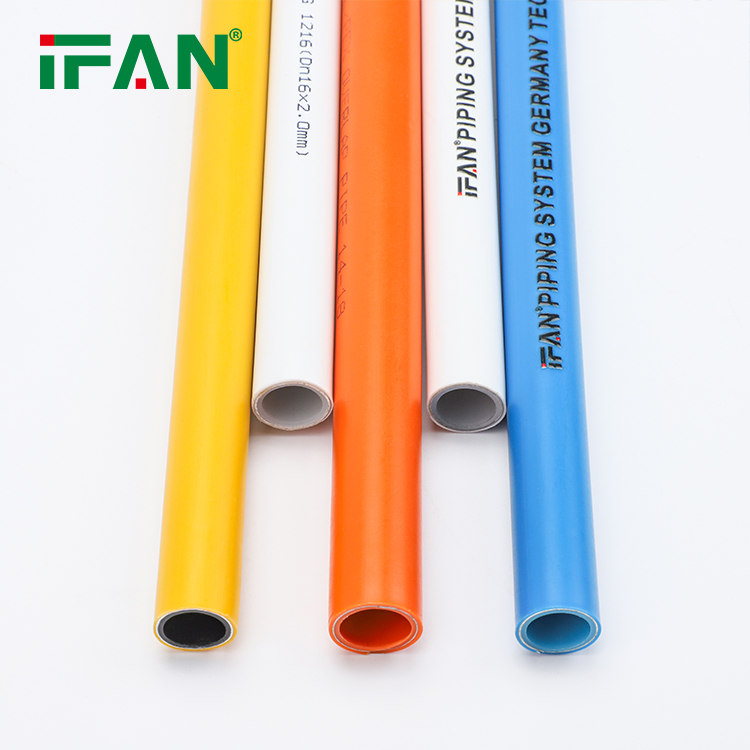
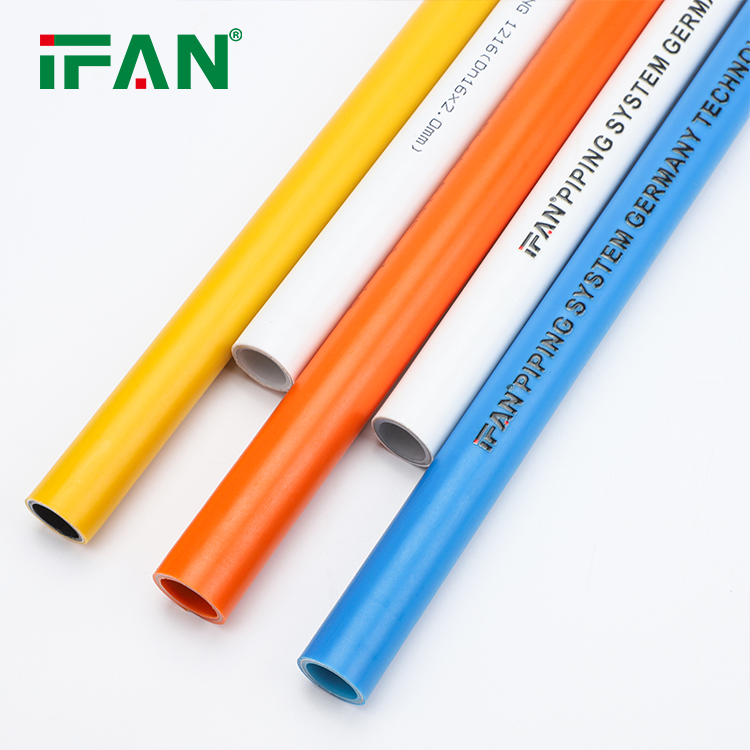
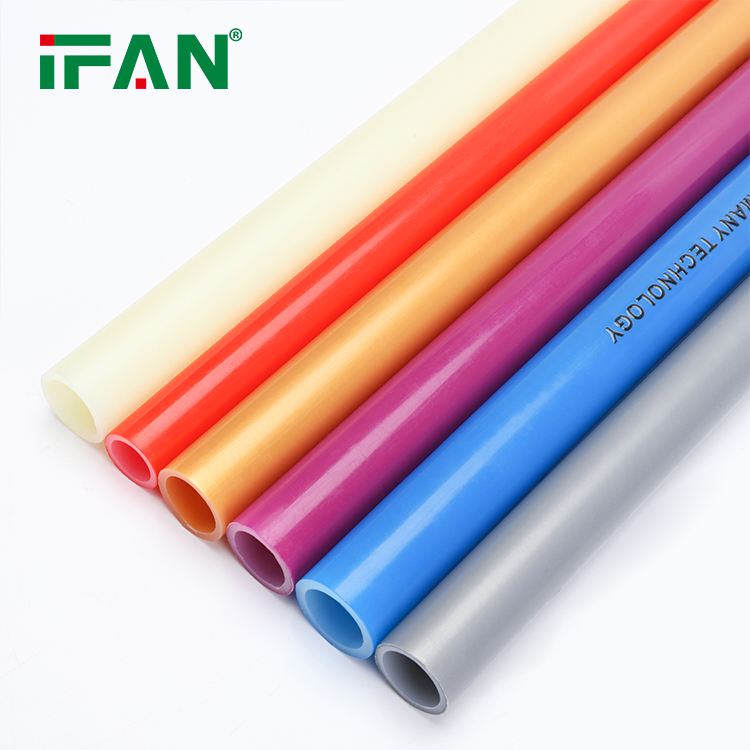
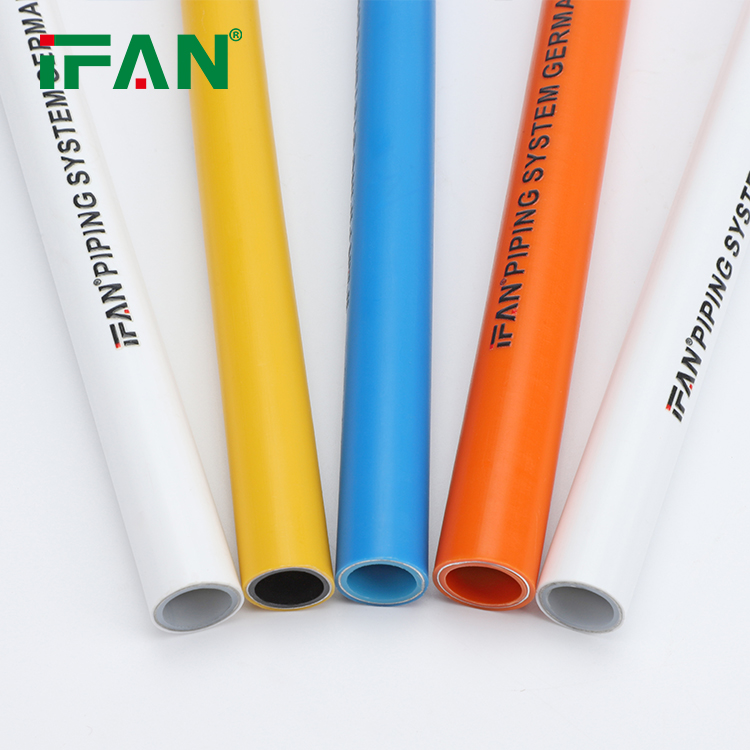
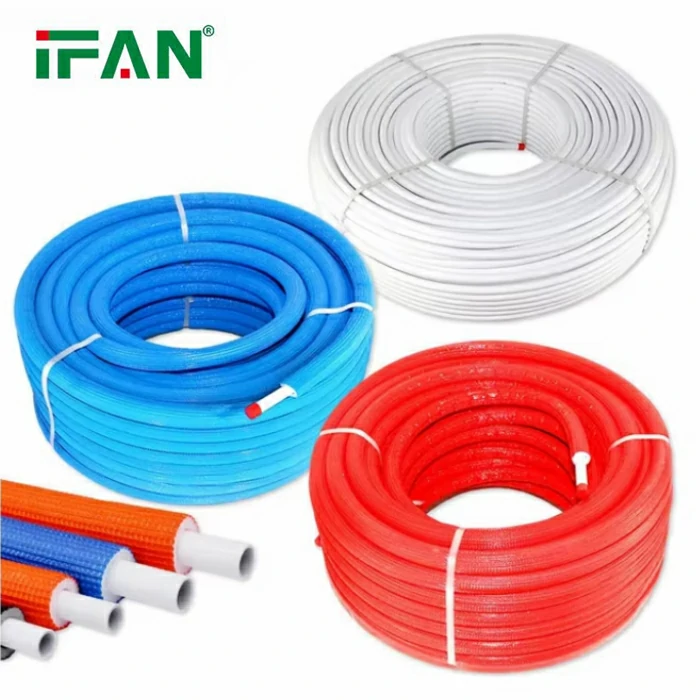
PEX (cross-linked polyethylene) pipes and fittings have gained significant popularity in residential plumbing systems due to their versatility and numerous benefits. In this article, we will explore the versatility of PEX pipes and fittings in residential plumbing.
1. Flexible and Easy to Install

PEX pipes are highly flexible, allowing for easy installation even in tight spaces and around obstacles. They can be bent and curved without the need for additional fittings, minimizing the number of joints required. This flexibility simplifies the installation process and reduces the chances of leaks.
2. Corrosion Resistance
PEX pipes and fittings are resistant to corrosion, making them highly durable and suitable for long-term use. Unlike metal pipes, PEX does not react with water or chemicals, which helps to maintain water quality and prevent the buildup of rust and scale within the pipes.
3. Freeze Resistance
PEX pipes have excellent freeze resistance. They can expand and contract without causing damage, reducing the risk of bursting pipes during freezing temperatures. This property makes PEX a reliable choice for cold climate regions where freezing pipes are a common concern.

4. Chemical Resistance
PEX pipes and fittings exhibit high resistance to chemicals commonly found in residential plumbing systems. They can withstand exposure to chlorine, acids, and other harsh chemicals without deteriorating or degrading. This resistance ensures the longevity and reliability of the plumbing system.
5. Reduced Noise Transmission
PEX pipes help to reduce noise transmission within the plumbing system. Their smooth inner surface minimizes water flow noises, resulting in a quieter household. This is particularly advantageous in residential buildings where noise reduction is important for comfort.
6. Cost-Effective
PEX pipes and fittings are cost-effective compared to some other plumbing materials. They are typically less expensive than copper pipes and require fewer fittings and connections. Additionally, the ease of installation and the reduced need for specialized tools contribute to cost savings during the installation process.
7. Resistance to Scaling and Buildup

PEX pipes have a smooth inner surface that resists scaling and buildup over time. This characteristic helps to maintain water flow efficiency and prevents clogs, resulting in a consistent and reliable water supply to residential plumbing fixtures.
8. Compatibility with Different Water Sources
PEX pipes and fittings are compatible with various water sources, including both hot and cold water. They can withstand high water pressure and temperature fluctuations without compromising their structural integrity. This versatility allows for their use in various residential plumbing applications.

In summary, the versatility of PEX pipes and fittings in residential plumbing is evident through their flexibility, corrosion resistance, freeze resistance, chemical resistance, noise reduction, cost-effectiveness, resistance to scaling and buildup, and compatibility with different water sources. These properties make PEX a popular and practical choice for residential plumbing systems, providing homeowners with a reliable and efficient plumbing solution.