Introduction
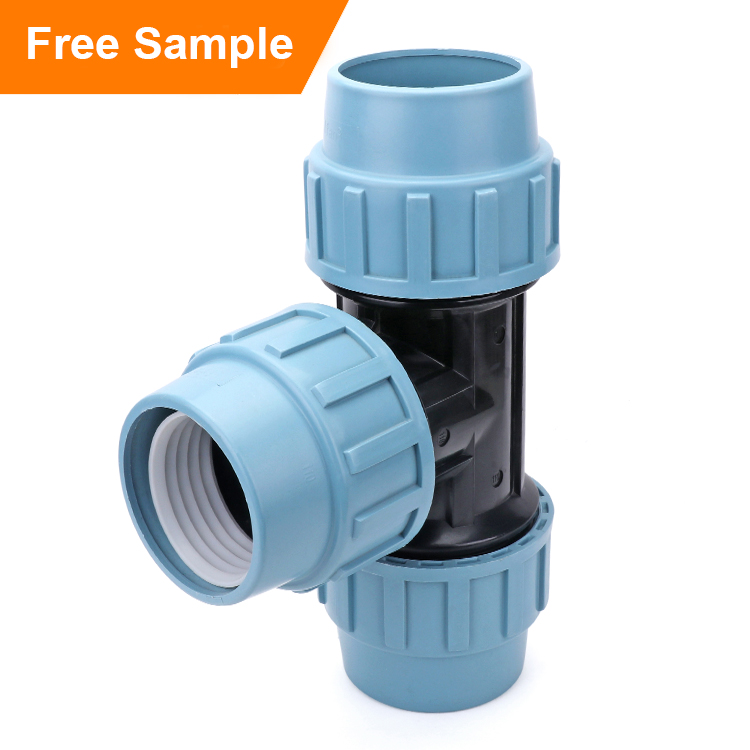
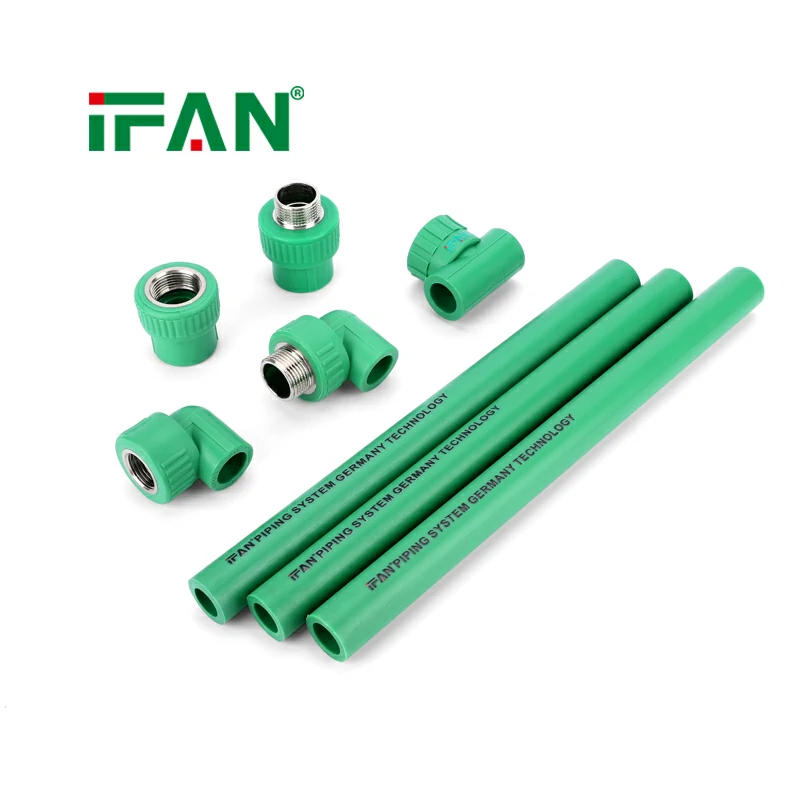
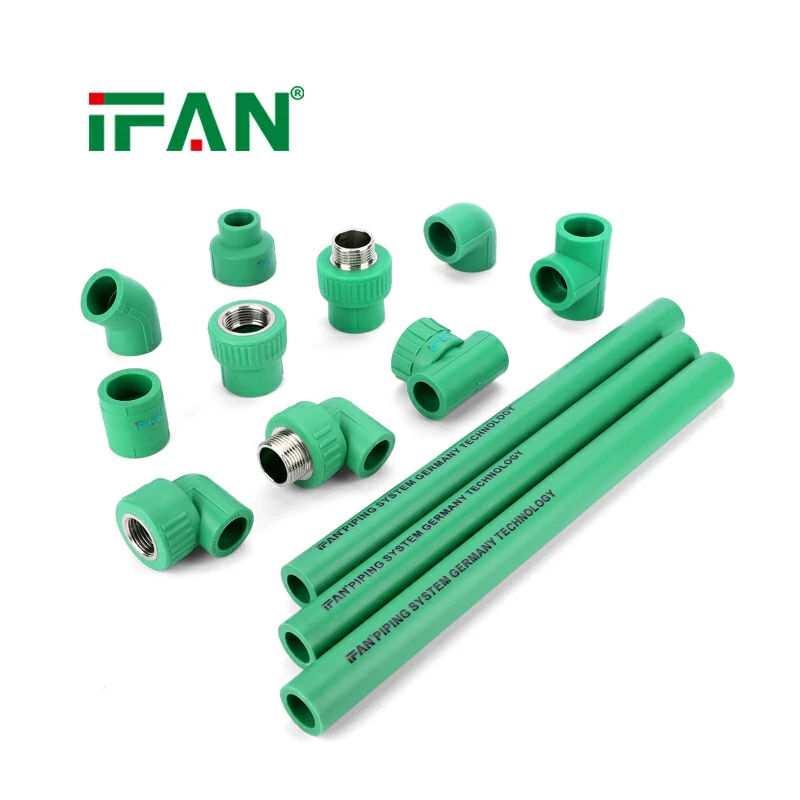
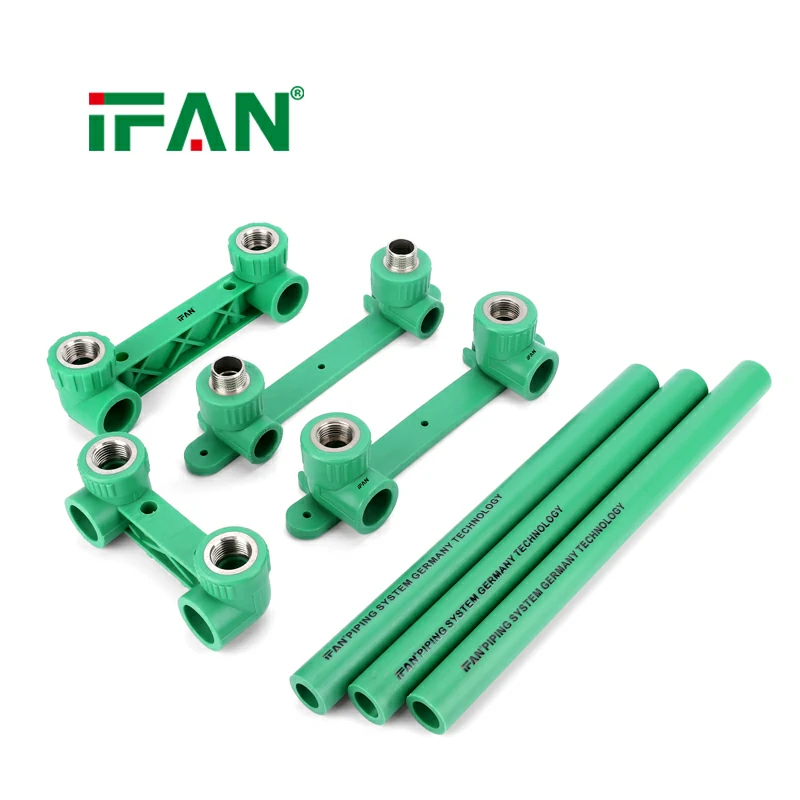
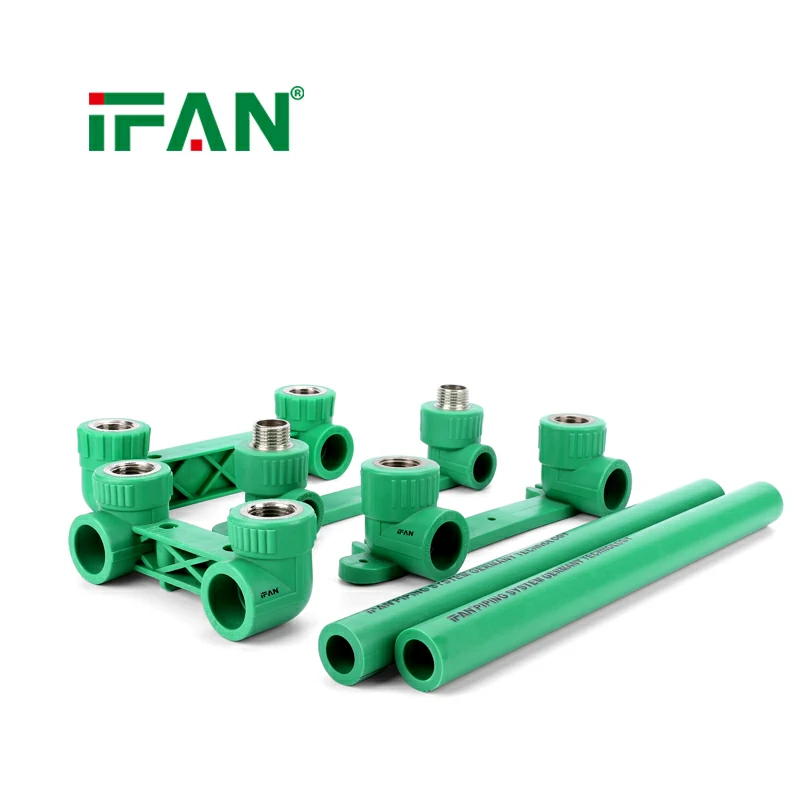
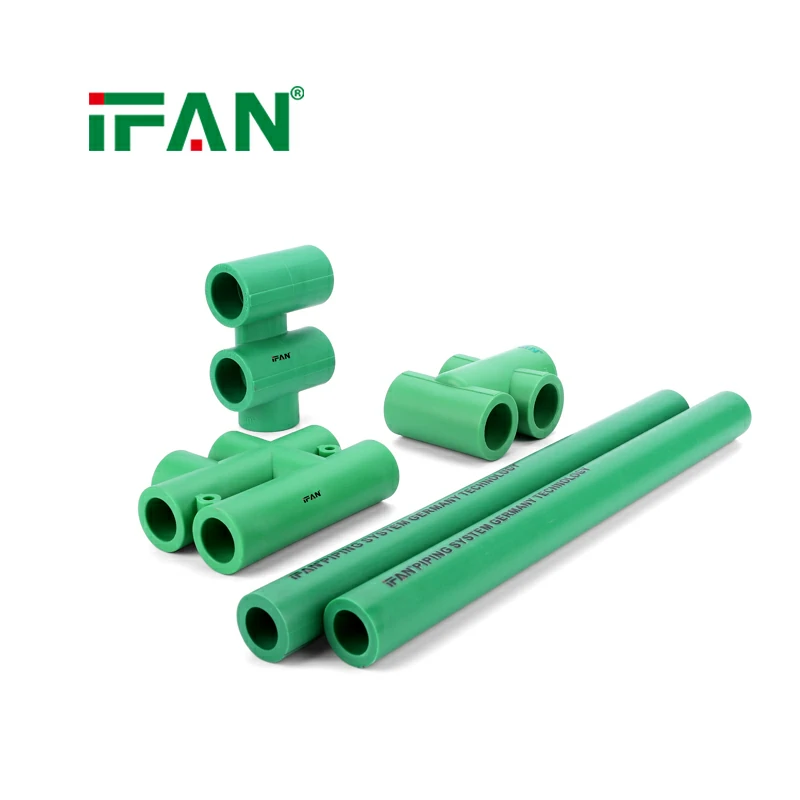
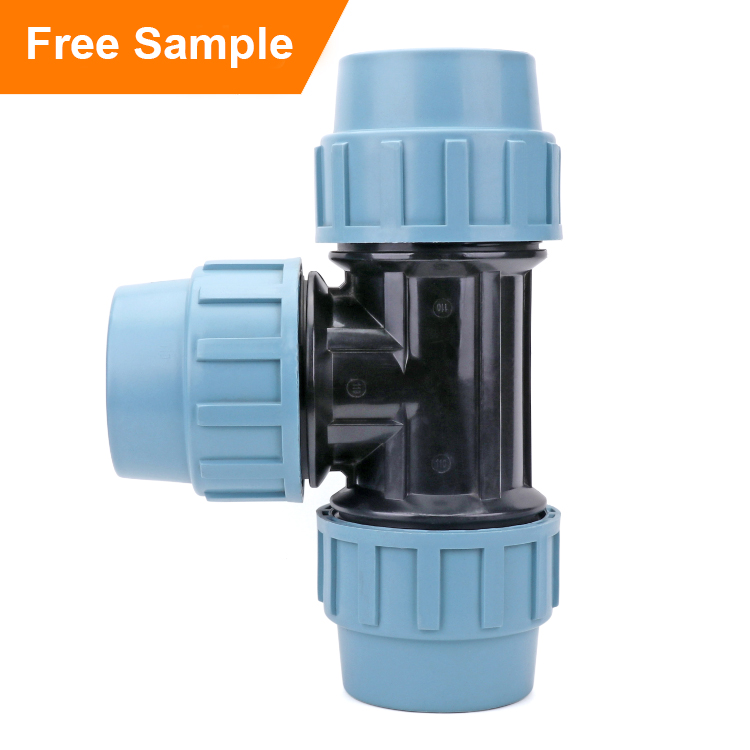
PP fitting is a type of fitting that is used for connecting and joining polypropylene pipes. It is an essential component in plumbing, industrial, and agricultural settings that require the transportation of water and other liquids. The fittings come in different sizes and shapes to suit various applications. This article aims to provide detailed information about PP fitting, including its features, benefits, and uses.
What is PP Fitting?
PP fitting refers to a type of plumbing fitting that is designed for connecting polypropylene pipes. Polypropylene is a thermoplastic polymer that is commonly used as a piping material due to its durability, flexibility, and resistance to chemicals. PP fittings can be used in a variety of applications, including drainage systems, water supply systems, and industrial fluid handling. The fittings are made of a high-quality polypropylene resin that ensures their longevity and performance.
Features of PP Fitting
PP fittings have a unique set of features that make them ideal for a variety of applications. First, they are durable and long-lasting, which means that they can withstand harsh environmental conditions and corrosive substances. Second, they are easy to install and connect, requiring minimal expertise and specialized equipment. Third, they are lightweight and compact, making them easy to transport and store. Fourth, they are resistant to impact, UV rays, and temperature changes, ensuring that they maintain their shape and integrity over time.
Benefits of PP Fitting
There are several benefits of using PP fittings in plumbing and industrial installations. First, they are cost-effective, making them an affordable option for both residential and commercial applications. Second, they are easy to maintain and repair, reducing the need for costly replacements and downtime. Third, they are environmentally friendly, as they are recyclable and produce fewer greenhouse gas emissions than other materials. Fourth, they offer a high level of leak-proof performance, ensuring that water and other fluids can be transported safely and efficiently.
Uses of PP Fitting
PP fittings can be used in a variety of applications, including residential, commercial, and industrial settings. In residential settings, they are commonly used for drainage systems, water supply systems, and gas pipelines. In commercial settings, they are used for municipal water supply systems, wastewater treatment plants, and industrial fluid handling. In industrial settings, they are used for chemical processing plants, oil and gas pipelines, and marine applications. PP fittings come in different sizes and shapes to suit various applications, and they can be customized to meet specific requirements.
Conclusion
PP fitting is a crucial component in any plumbing or industrial installation that involves polypropylene pipes. It offers several benefits, including durability, ease of installation, resistance to impact and temperature changes, and leak-proof performance. PP fittings are cost-effective, environmentally friendly, and have multiple applications in residential, commercial, and industrial settings. With its unique features and benefits, PP fitting is a reliable and efficient solution for transporting water and other fluids.