Upgrade Your Plumbing System with PEX Fittings!

Upgrade Your Plumbing System with PEX Fittings!

Are you tired of dealing with leaks, corroded pipes, and complicated installation processes? It’s time to upgrade your plumbing system with PEX fittings!

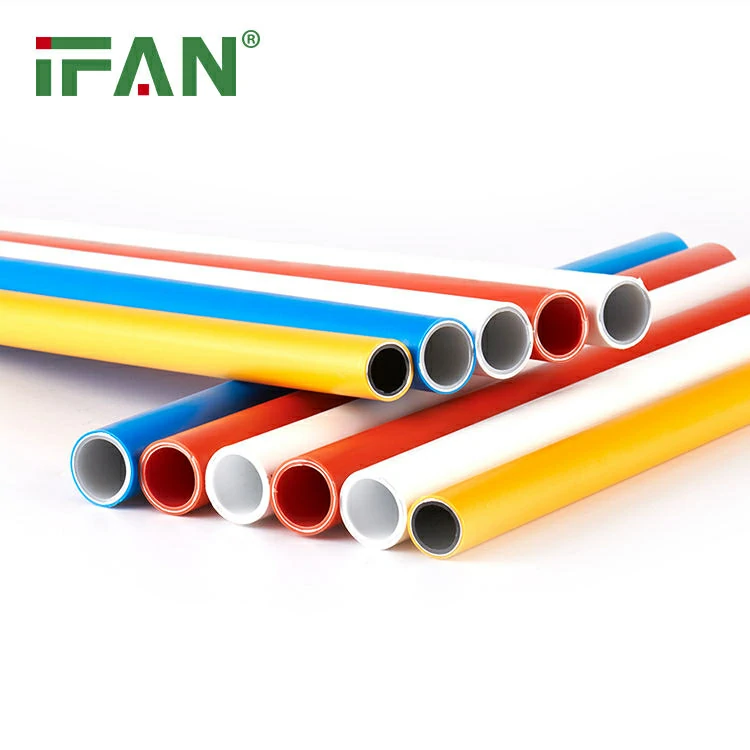
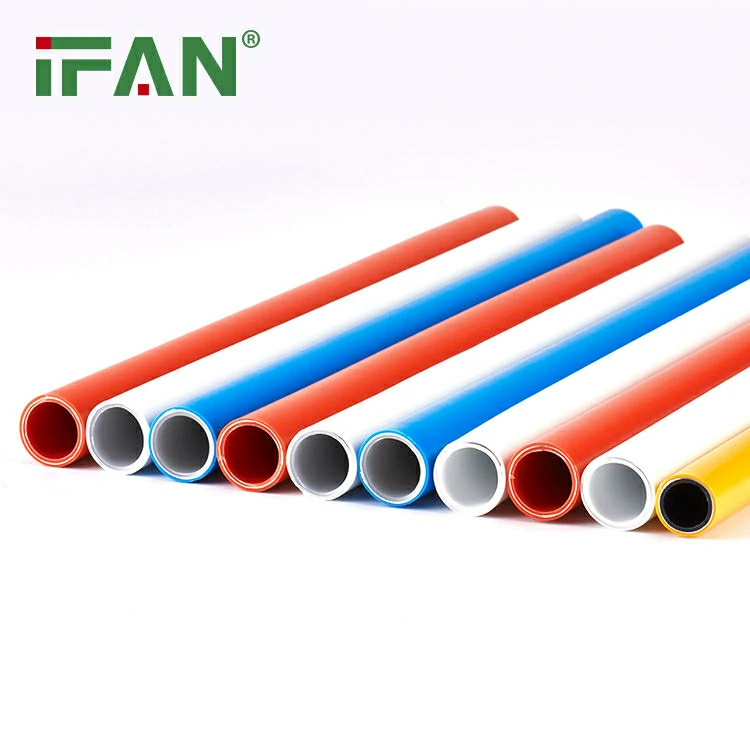
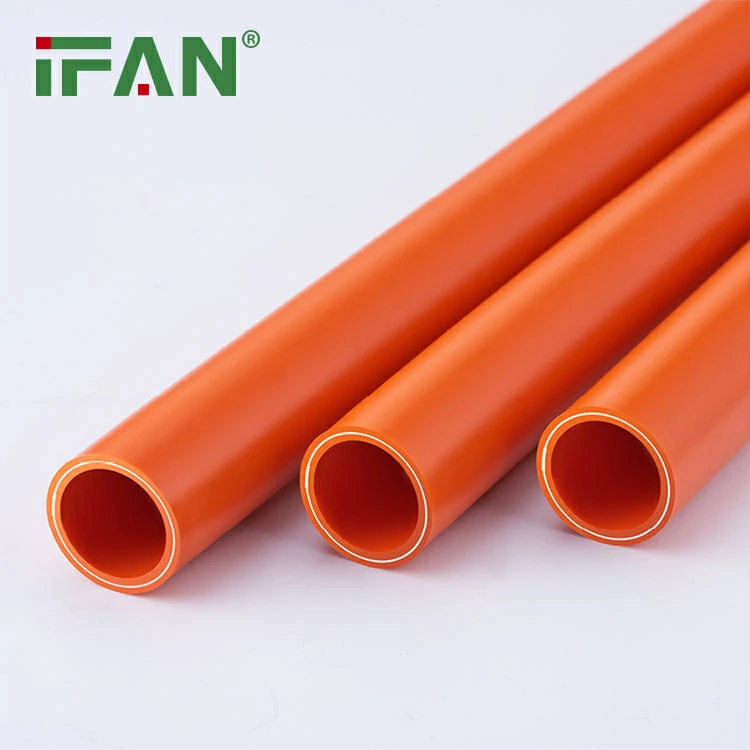
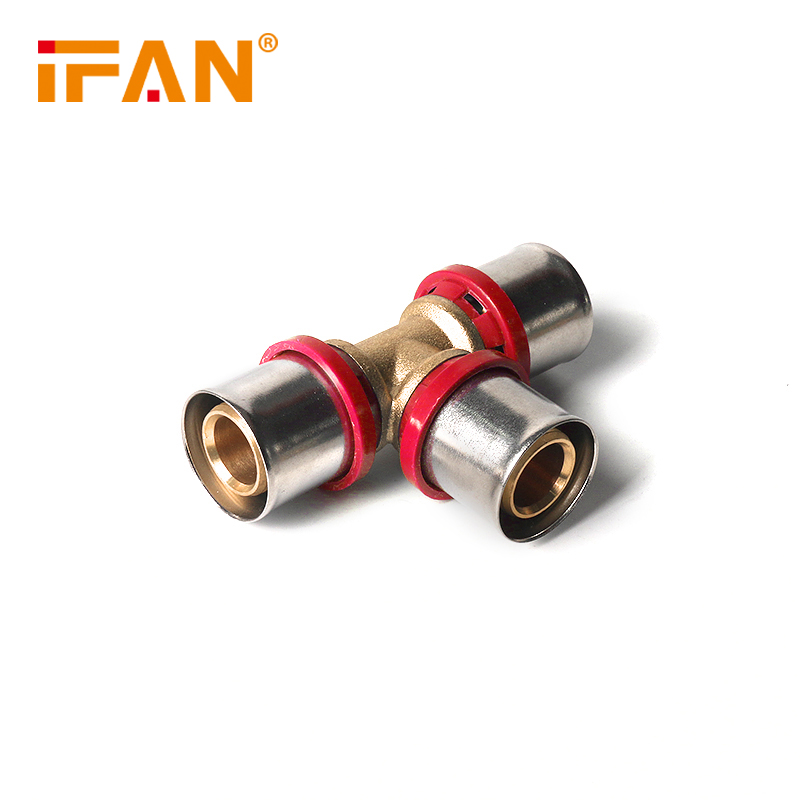
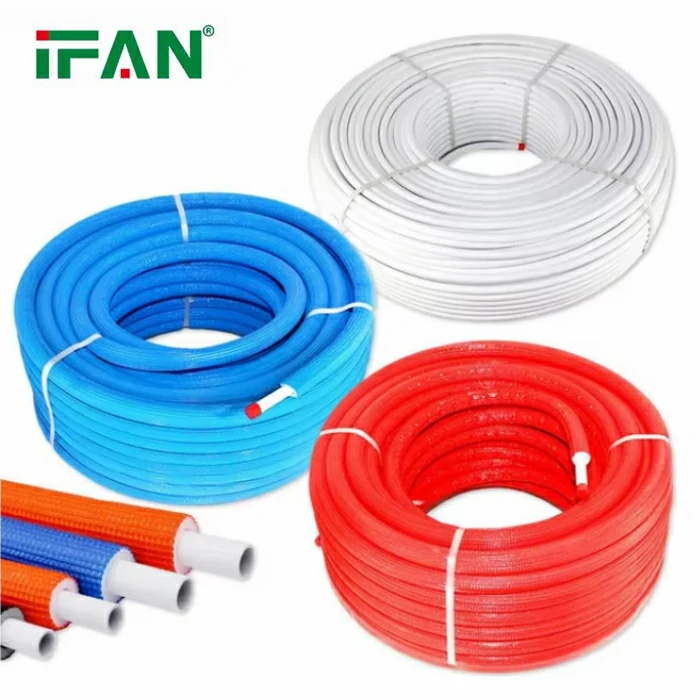
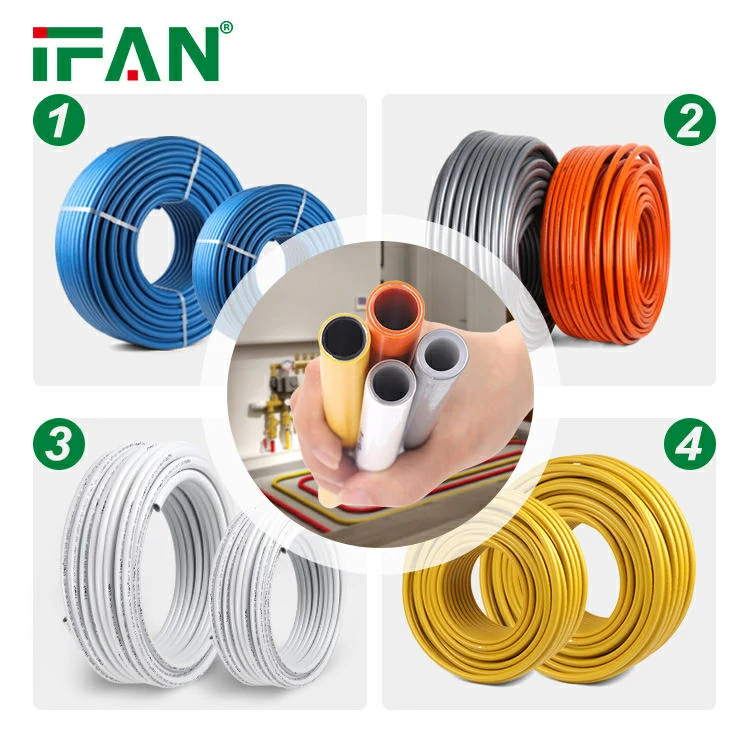
PEX, or cross-linked polyethylene, is a flexible and durable material that is quickly becoming the preferred choice for plumbing systems. PEX fittings come in various sizes and shapes, allowing for easy installation and customization to fit your needs.

Not only are PEX fittings easy to install, but they also have a longer lifespan compared to traditional plumbing materials. PEX is resistant to corrosion, cracking, and scaling, ensuring your plumbing system will last for years to come.
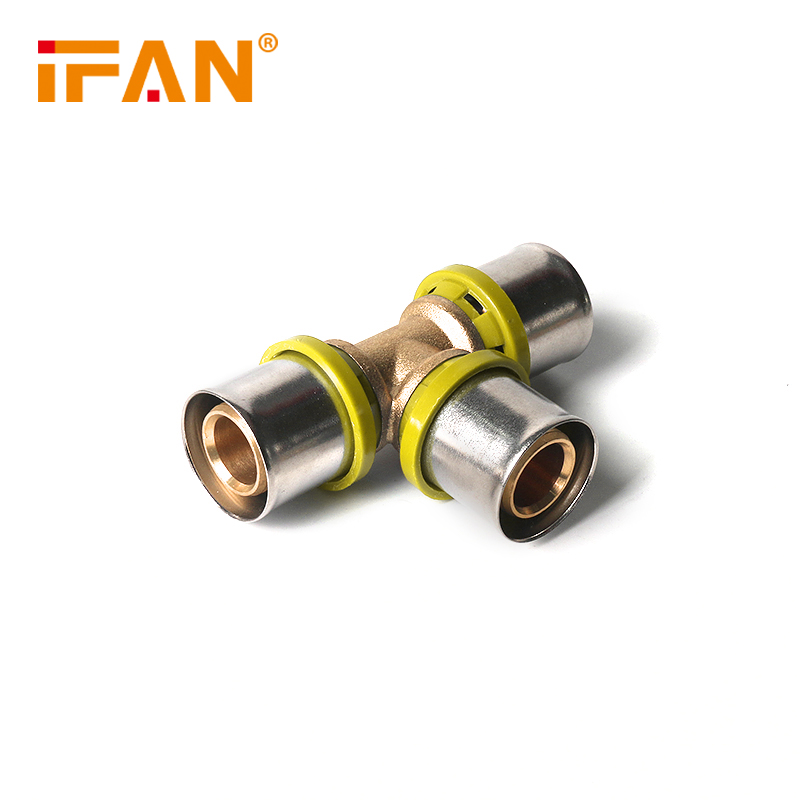
With PEX fittings, leaks are less common due to the fittings’ secure crimping or compression connections. Plus, PEX is more durable and flexible than traditional materials, making it less prone to bursting in freezing weather.

One significant benefit of PEX fittings is the ease of accessibility. PEX is a lightweight material, so it’s easier to install in tight spaces, and there’s no need for welding or soldering, which can be dangerous and time-consuming.

Another advantage to upgrading your plumbing system with PEX is the decrease in water waste. PEX is more water-efficient than traditional plumbing materials, which helps reduce your water bill and your carbon footprint.

Lastly, PEX fittings are eco-friendly, making them a popular choice among homeowners who want to reduce their carbon footprint. PEX fittings are recyclable, and PEX is made from sustainable materials.
In conclusion, upgrading your plumbing system with PEX fittings is an investment that will save you time, money, and headaches in the long run. Upgrade your plumbing system with PEX fittings today and enjoy the peace of mind that comes with a reliable and durable plumbing system.
Share:

Facebook
Twitter
Pinterest
LinkedIn

Leave a Comment

Your email address will not be published. Required fields are marked *

On Key

Related Posts

Common Brass Ball Valve Failures and How to Prevent Them

Common Brass Ball Valve Failures and How to Prevent Them — The IFAN Way Most Valve Failures Come Down to These Few Things After years in the plumbing game, I’ve noticed a pattern — when a ball valve fails, it almost always comes down to the same handful of issues. Most people treat valves like

Proper Installation Practices for Brass Ball Valves

Proper Installation Practices for IFAN Brass Ball Valves: Don’t Let Bad Installation Ruin a Great Valve Bought a great valve and it still leaks after installation? I’ve seen this way too many times. Here’s the truth — a ball valve is 30% product and 70% installation. Even the best IFAN Brass Ball Valve will leak if

Why Brass Ball Valves Are Preferred Over Plastic or Steel

Why Brass Ball Valves Win Every Time — Plastic and Steel Just Can’t Compete Plastic Ball Valves: Cheap Upfront, Painful Later Someone probably told you at some point: “Just grab a plastic ball valve, it’s cheap and it works.” Works? Sure — until it doesn’t. The biggest issue with plastic valves is pressure. The moment

Temperature Limits for Brass Ball Valves in Hot Water Lines

Temperature Limits for Brass Ball Valves in Hot Water Lines: IFAN Gives You the Straight Answer One: What’s the Big Deal About Temperature in Hot Water Ball Valves? Let’s be real — most people grab a ball valve without even checking the temperature rating. “It’s just an on-off switch, right?” Wrong. Big time. Your cold

Threaded vs Solder End Brass Ball Valves Which to Choose

IFAN Threaded vs Solder End Brass Ball Valves: Which One Should You Actually Pick? The Short Answer: There’s No “Best” — Only “Best for Your Situation” Every time someone asks me whether to go threaded or solder end for a ball valve, I want to ask back — “Where are you installing it? What’s it

Get Free Quote NOW