What are PPR Fittings: A Comprehensive Introduction
What are PPR Fittings: A Comprehensive Introduction
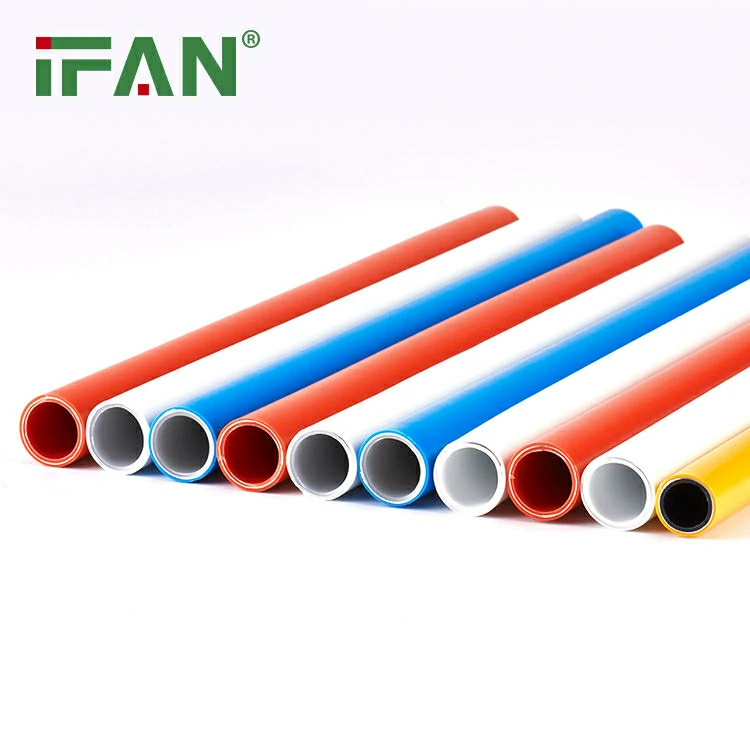
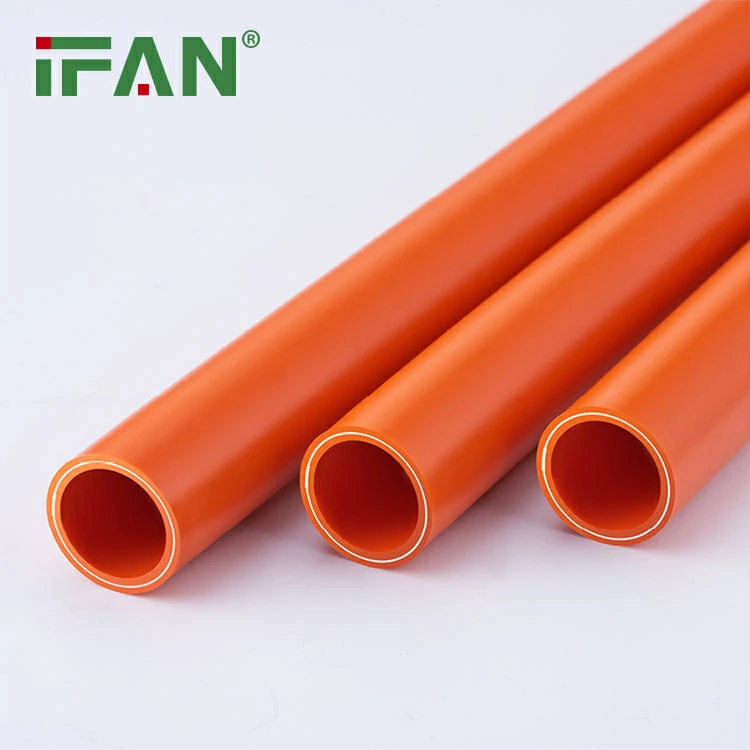
PPR (Polypropylene Random) fittings are essential components used in plumbing systems. Made from high-quality and durable materials, these fittings provide secure connections and efficient water distribution. Let’s delve into the various types of PPR fittings and their functionalities
Types of PPR Fittings
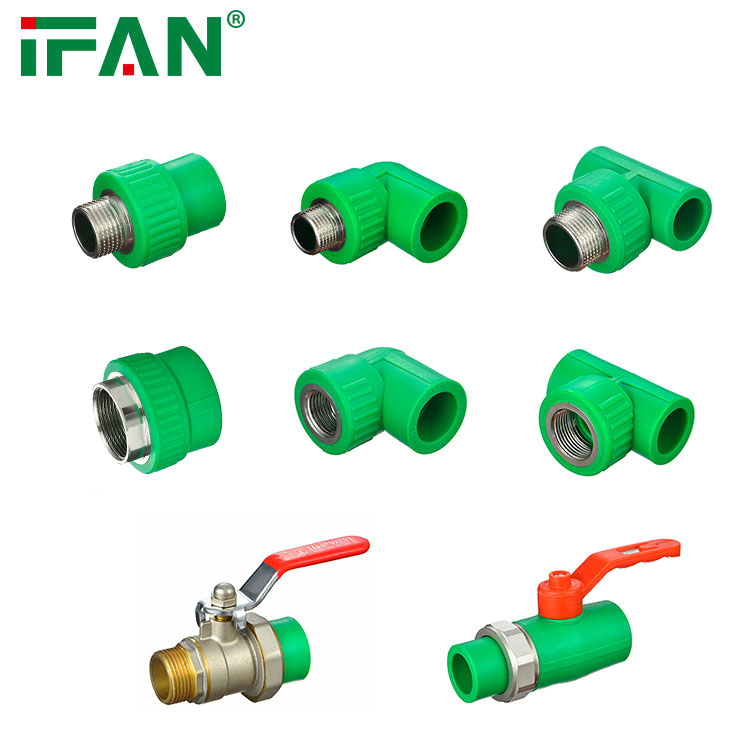
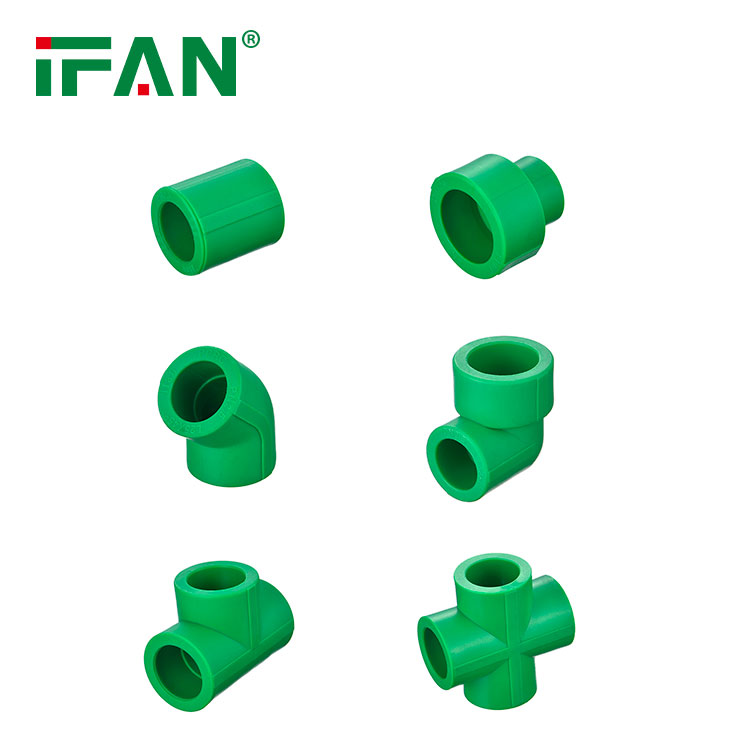
- PPR Couplings: Couplings are used to connect two PPR pipes of the same diameter, ensuring a leak-proof joint. These fittings provide a reliable and secure connection, preventing water wastage and promoting efficient water usage.
- PPR Elbows: Elbows are designed to change the direction of PPR pipes. Available in different angles, these fittings enable the smooth navigation of corners and obstacles, ensuring optimal water flow without compromising efficiency.
- PPR Tees: Tees allow for branching connections in plumbing systems, integrating three PPR pipes at right angles. These fittings facilitate efficient water distribution and are commonly used in complex plumbing layouts.
- PPR Reducers: Reducers provide a seamless transition between PPR pipes of different diameters. By ensuring efficient fluid conveyance, these fittings promote water conservation and support sustainable water management practices.
- PPR Caps and Plugs: Caps and plugs are used to seal the ends of PPR pipes, preventing water leakage and maintaining the integrity of the plumbing system. These fittings play a crucial role in water conservation by reducing wastage.
- PPR Valves: Valves enable control over water flow and pressure in plumbing systems. With the ability to regulate water usage efficiently, these fittings minimize unnecessary water consumption and contribute to sustainable water conservation.
Functionality and Benefits of PPR Fittings
- Durability: PPR fittings are known for their exceptional durability and long service life. These fittings can withstand high temperatures, pressure, and various environmental conditions, reducing the need for frequent replacements.
- Chemical Resistance: PPR fittings exhibit excellent resistance to chemicals, making them ideal for plumbing applications where corrosion or chemical reactions may occur. This ensures the longevity and reliability of the plumbing system.
- Leak-proof Joints: PPR fittings are designed to provide secure and leak-proof connections, minimizing water wastage and preventing damage to the surrounding structures. This promotes efficient water usage and reduces maintenance costs.
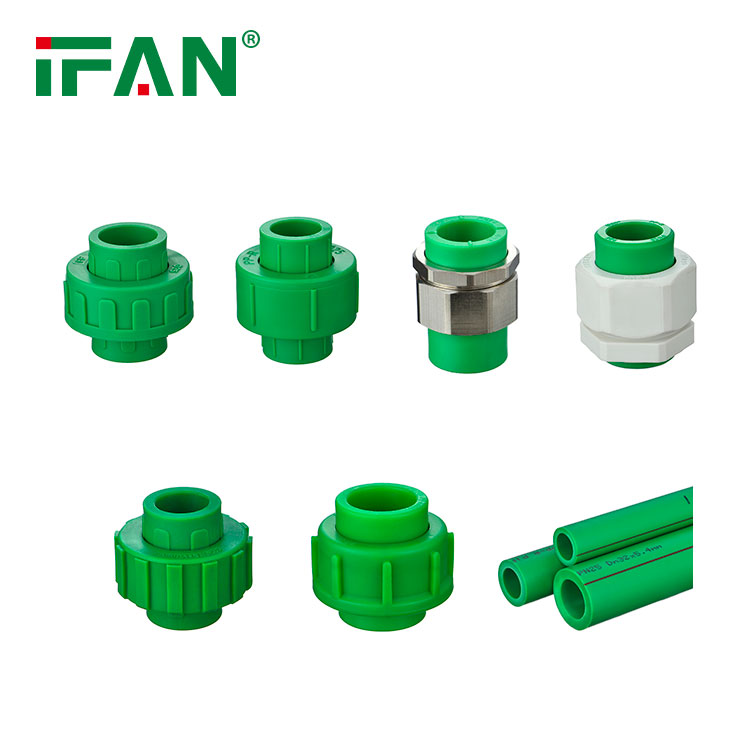
- Easy Installation: PPR fittings are lightweight and easy to install, simplifying the plumbing system setup process. The fittings can be easily connected using heat fusion or mechanical joints, saving time and labor during installation.
- Low Maintenance: PPR fittings require minimal maintenance, thanks to their durability and resistance to corrosion. This reduces the need for frequent interventions and repairs, resulting in cost savings and resource conservation.
- Hygienic and Non-toxic: PPR fittings are non-toxic and do not release harmful substances into the water supply. They are also resistant to bacterial growth, ensuring clean and safe water for consumption.
- Versatility: PPR fittings are suitable for various applications, including residential, commercial, and industrial plumbing systems. They can handle both cold and hot water, making them versatile and adaptable to different requirements.
In summary, PPR fittings are indispensable components in plumbing systems that provide secure connections, efficient water distribution, and long-lasting performance. With various types available, such as couplings, elbows, tees, reducers, caps, plugs, and valves, PPR fittings offer durability, chemical resistance, leak-proof joints, ease of installation, low maintenance, and versatility. These fittings support sustainable water management practices, promote water conservation, and contribute to the overall efficiency and reliability of plumbing systems.