Introduction
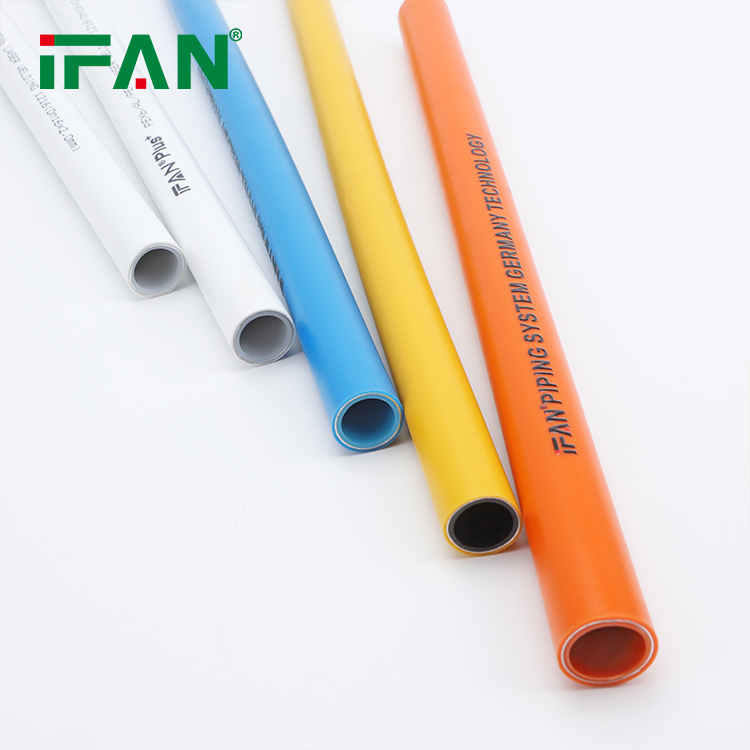
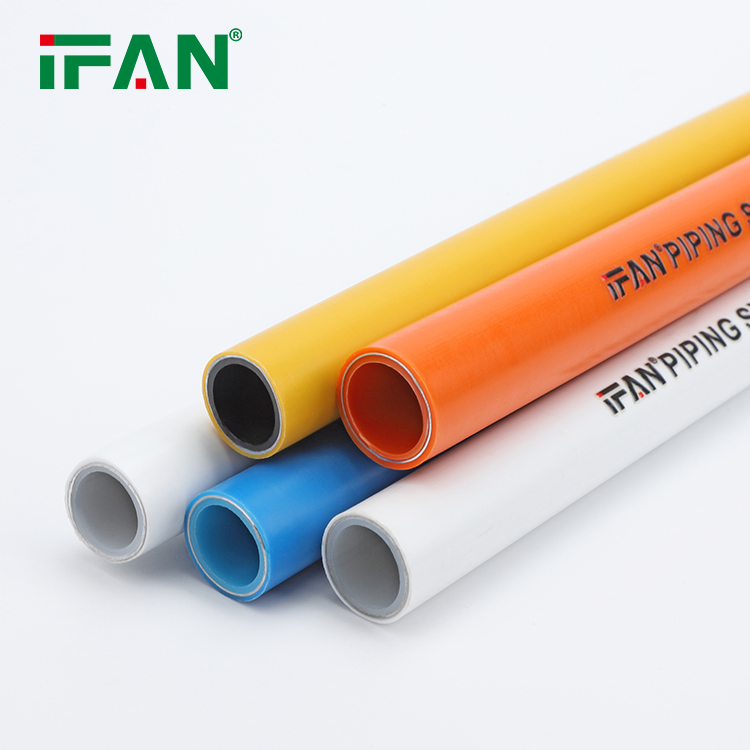
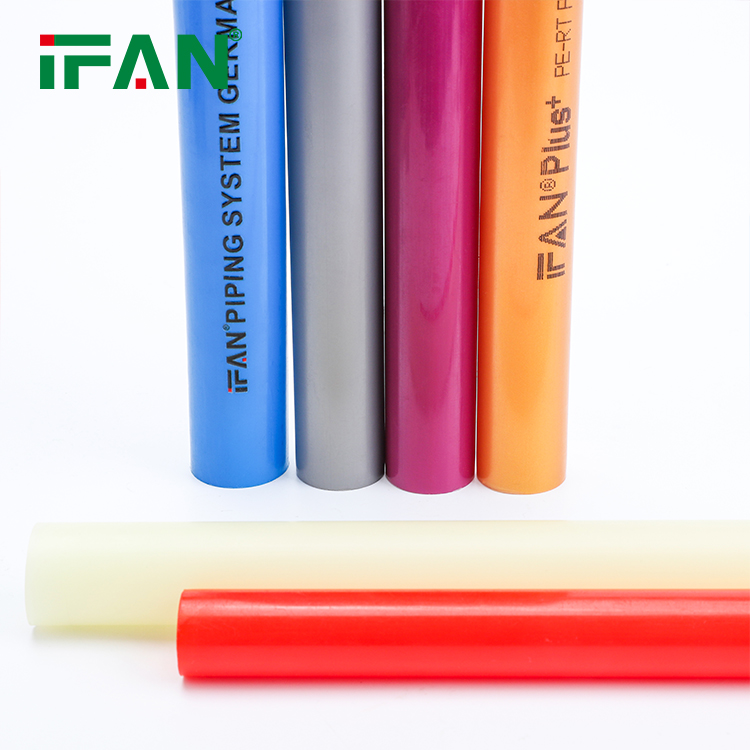
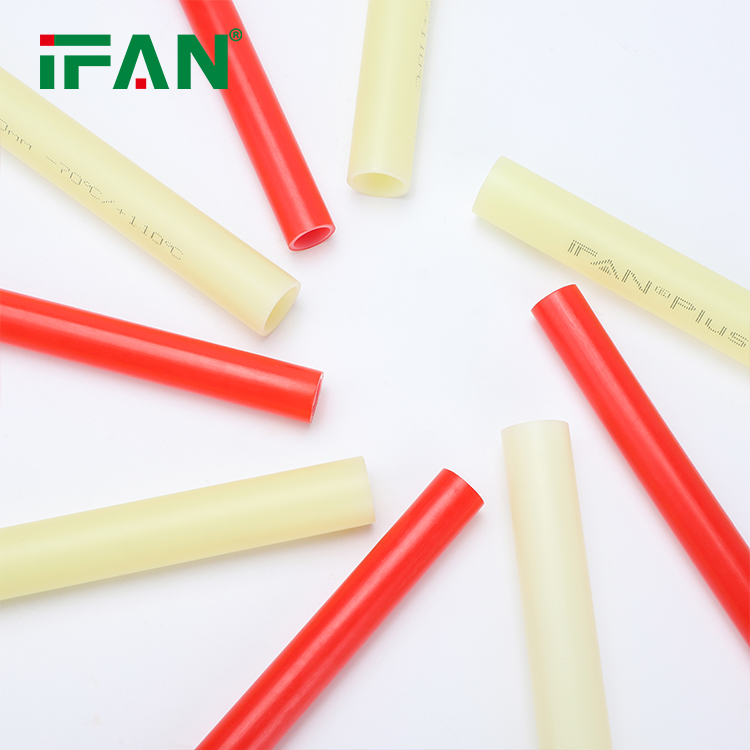
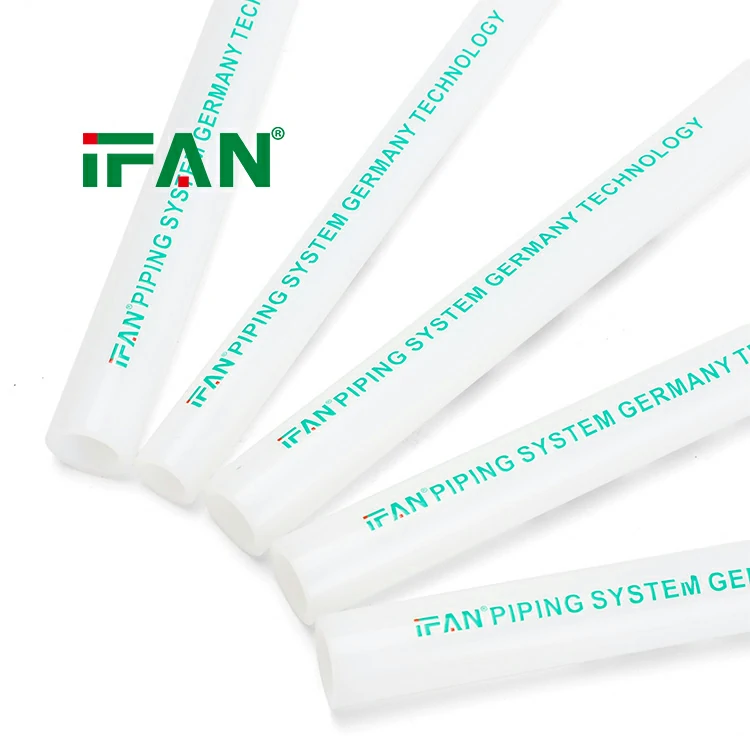
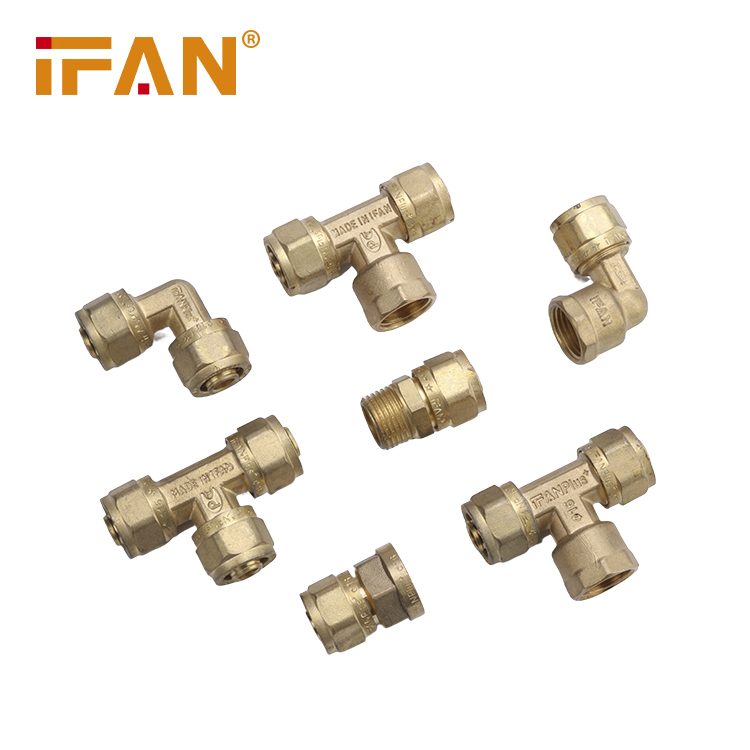
PEX (cross-linked polyethylene) compression fittings are commonly used in plumbing systems to connect PEX pipes without the need for soldering or crimping. These fittings provide a secure and reliable connection by compressing the PEX pipe onto the fitting with a compression nut and ring. In this article, we will explore the various sizes available for PEX compression fittings.
PEX Compression Fitting Sizes
PEX compression fittings are available in a range of sizes to accommodate different pipe diameters. The sizes of PEX compression fittings are typically denoted by the nominal size (NPS) or the outside diameter (OD) of the PEX pipe they are compatible with. The most common sizes of PEX compression fittings include:
- 1/2 inch: PEX compression fittings with a 1/2 inch size are designed to fit PEX pipes with a 1/2 inch outside diameter. This size is commonly used in residential plumbing systems for applications such as hot and cold water supply lines, radiant heating systems, and other general plumbing connections.
- 3/4 inch: PEX compression fittings with a 3/4 inch size are suitable for PEX pipes with a 3/4 inch outside diameter. This size is commonly used in larger residential or commercial plumbing systems where higher flow rates or increased water supply demands are required.
- 1 inch: PEX compression fittings with a 1 inch size are designed for PEX pipes with a 1 inch outside diameter. This size is commonly used in commercial plumbing applications or larger residential plumbing systems that require higher flow rates or supply larger fixtures.
- Other Sizes: PEX compression fittings are also available in other sizes to accommodate specific plumbing requirements. These sizes can include 3/8 inch, 5/8 inch, 1-1/4 inch, and larger sizes depending on the manufacturer and application.
It is important to note that the actual outside diameter of the PEX pipe may vary slightly depending on the type of PEX (PEX-A, PEX-B, PEX-C) and the manufacturer. Therefore, it is crucial to ensure that the PEX compression fittings selected are compatible with the specific PEX pipe being used.
Compatibility and Standards
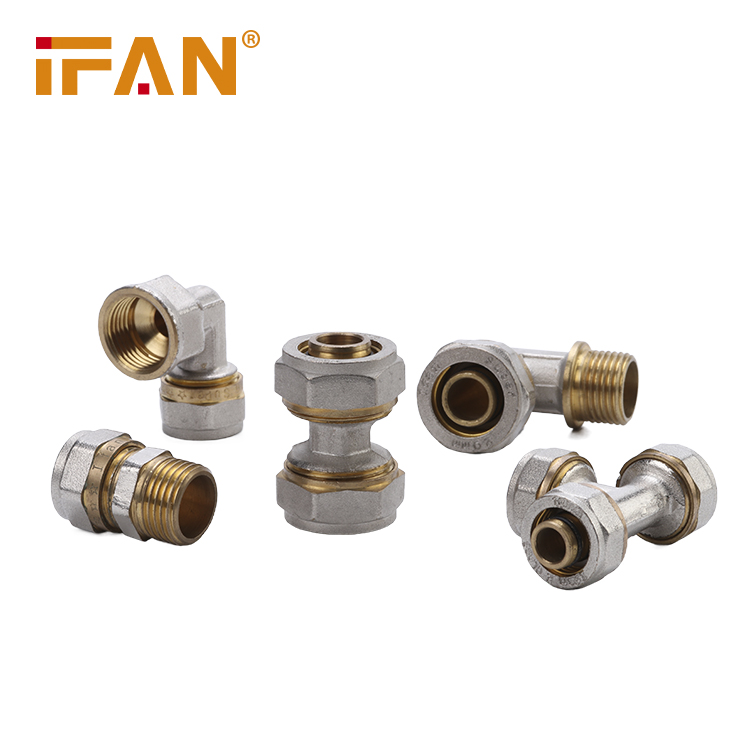
PEX compression fittings should be selected based on their compatibility with the PEX pipe material and the applicable standards for plumbing systems. The materials used in PEX compression fittings should be suitable for use with PEX pipes, and they should meet relevant industry standards such as ASTM F1807 or ASTM F1960.
It is essential to consult the manufacturer’s documentation or consult with a plumbing professional to ensure that the selected PEX compression fittings meet the necessary compatibility requirements and standards for your specific plumbing system.
Conclusion
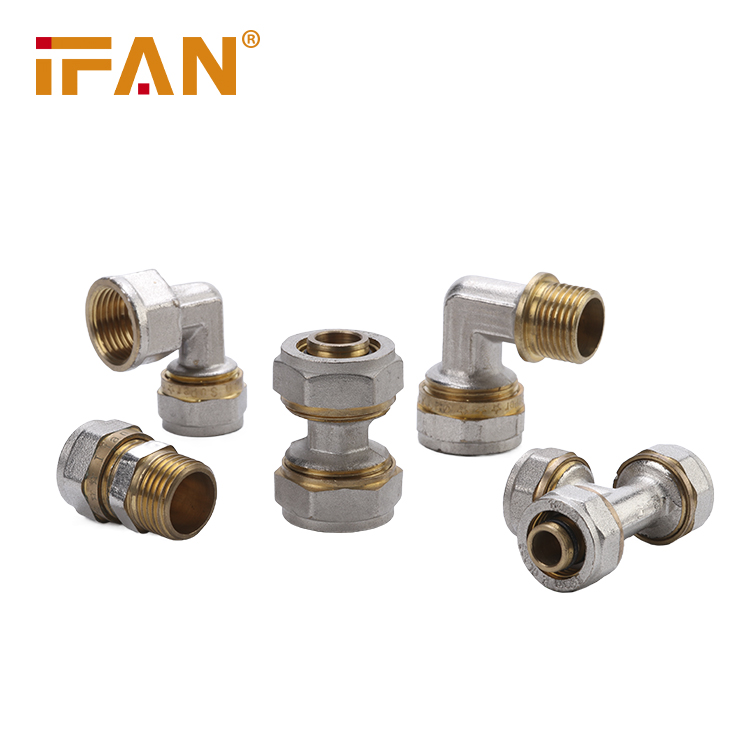
PEX compression fittings are available in various sizes to accommodate different PEX pipe diameters. The most common sizes include 1/2 inch, 3/4 inch, and 1 inch, although other sizes are also available depending on the manufacturer and application. It is crucial to select PEX compression fittings that are compatible with the specific PEX pipe material and meet the necessary industry standards. Consult with a plumbing professional or refer to the manufacturer’s documentation to ensure proper fitting selection for your plumbing system.