Why does CPVC not corrode or leak?

Why does CPVC not corrode or leak?

CPVC (chlorinated polyvinyl chloride) pipes exhibit excellent resistance to corrosion and have a low risk of leaks. Here are some key factors that contribute to the corrosion resistance and leak-proof nature of CPVC pipes:
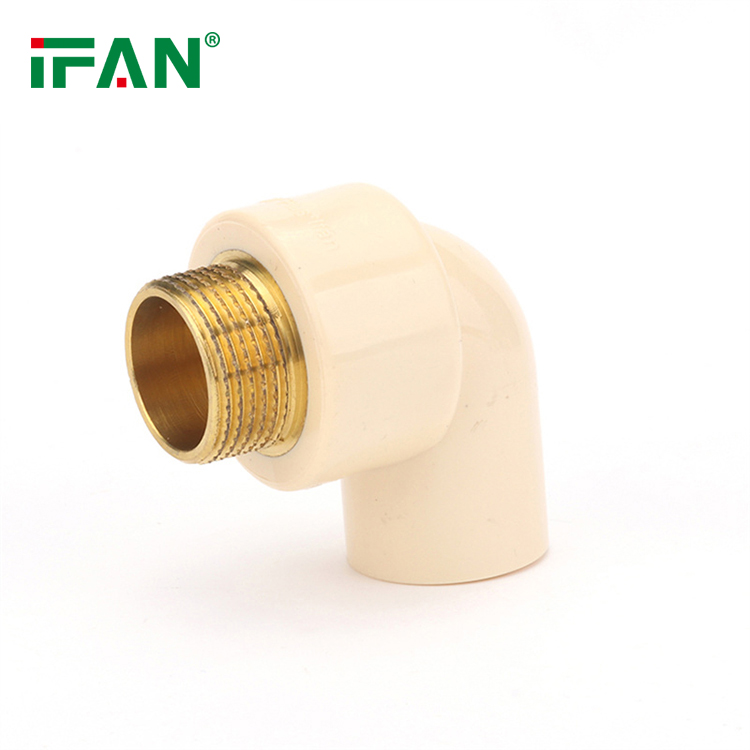
1. Chlorination Process: CPVC pipes are manufactured by subjecting PVC pipes to a chlorination process. This process involves introducing chlorine into the PVC polymer structure, which enhances the material’s resistance to corrosion and chemical degradation.

2. Chemical Resistance: CPVC pipes have excellent chemical resistance, making them resistant to the corrosive effects of various chemicals found in water and plumbing systems. They can withstand exposure to acids, alkalis, and other corrosive substances without significant degradation or risk of leaks.

3. Smooth Interior Surface: CPVC pipes have a smooth interior surface, which helps minimize friction and scale buildup. The smooth surface reduces the risk of corrosion, blockages, and pressure loss, ensuring a reliable and leak-resistant plumbing system.

4. Durability and Strength: CPVC pipes are known for their durability and strength. They have good mechanical properties and can withstand the stresses associated with normal operation and installation. This durability reduces the risk of pipe failures and subsequent leaks.

5. Heat Fusion Joints: CPVC pipes are typically joined using heat fusion or solvent cement, creating strong, leak-proof connections. Properly executed heat fusion joints ensure a secure and permanent bond between pipe sections, minimizing the risk of leaks at joints.

These factors collectively contribute to the corrosion resistance and leak-proof nature of CPVC pipes, ensuring long-term performance and reliability. However, it is important to note that proper installation techniques, regular maintenance, and adherence to manufacturer guidelines and industry standards are crucial to maintaining the integrity of CPVC pipes and preventing potential issues that could lead to corrosion or leaks.
Share:

Facebook
Twitter
Pinterest
LinkedIn

Leave a Comment

Your email address will not be published. Required fields are marked *

On Key

Related Posts

Angle Valves

Wholesale Angle Valves Supplier

Angle valves play a critical role in plumbing systems by controlling water flow with precision and safety. For contractors, distributors, and project buyers, choosing a reliable wholesale angle valves supplier directly impacts installation quality and long-term system stability. In today’s competitive plumbing market, sourcing high-quality valves at stable prices has become a key purchasing strategy

Brass Angle Valve

Brass Angle Valve with Ceramic Cartridge

A Brass Angle Valve with Ceramic Cartridge is a key plumbing component used in modern water control systems. It helps regulate water flow with precision while ensuring durability and leak resistance in residential and commercial applications. This type of valve combines brass body strength with ceramic cartridge technology, making it a reliable choice for long-term

Brass Angle Valve

Chrome Plated Brass Angle Valve

Introduction A chrome plated brass angle valve is widely used in modern plumbing systems for controlling water flow at a precise angle. It combines durability, corrosion resistance, and a clean metallic finish that fits both residential and commercial installations. Many contractors prefer this type of angle valve because it performs well under pressure and also

Lead Free Brass Angle Valves

Lead Free Brass Angle Valves

Introduction Lead Free Brass Angle Valves play an important role in modern plumbing systems where safety and durability are essential. These valves control water flow at a 90-degree angle and help reduce pressure loss in tight installation spaces. Many residential and commercial projects now require safer materials to meet strict water quality standards. Lead Free

Brass Angle Valve

Brass Angle Valve for Toilet Installation

Introduction A Brass Angle Valve for Toilet Installation plays a key role in modern bathroom plumbing systems. It controls water flow to the toilet tank and allows quick shut-off during maintenance or emergencies. Many homeowners and installers choose brass because it offers strength, durability, and resistance to corrosion in wet environments. In residential and commercial

Get Free Quote NOW