Why is CPVC so expensive?

Why is CPVC so expensive?

The cost of CPVC (chlorinated polyvinyl chloride) pipes can be higher compared to some other plumbing materials. Several factors contribute to the higher cost of CPVC pipes. Here’s why CPVC can be relatively expensive:

1. Material Cost: The raw materials used to produce CPVC pipes, including the PVC base resin and the additional chlorination process, can be more expensive compared to the materials used for other plumbing pipes. The cost of acquiring and processing these specialized materials contributes to the overall price of CPVC pipes.

2. Production Process: The manufacturing process of CPVC pipes involves additional steps, including chlorination and post-production testing, to ensure the desired properties and quality of the pipes. These extra steps add to the production cost of CPVC pipes, making them relatively more expensive compared to some other plumbing materials.

3. Quality and Performance: CPVC pipes are known for their superior performance characteristics, such as high-temperature resistance, chemical resistance, and durability. The higher cost of CPVC pipes reflects the investment in research, development, and quality control measures to deliver these enhanced properties.
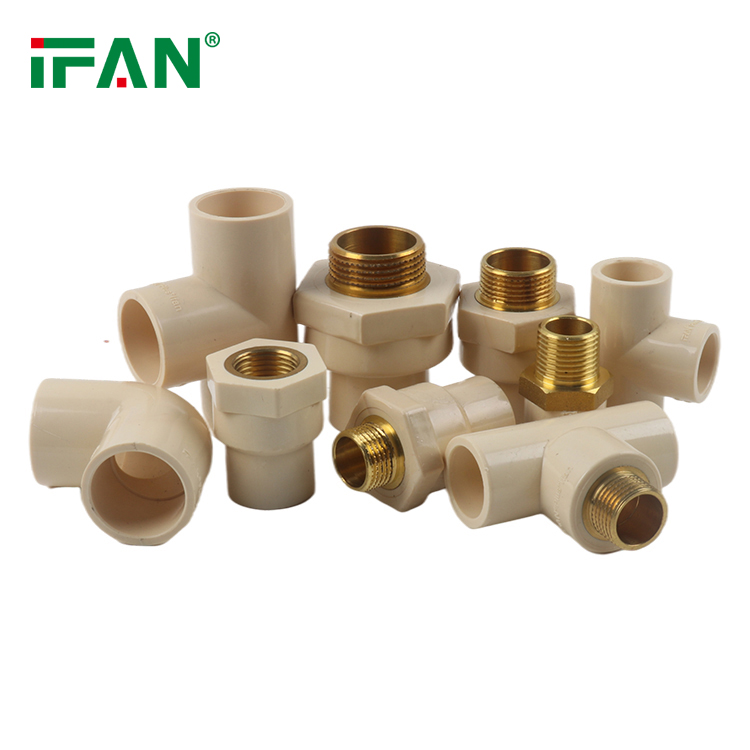
4. Certifications and Standards: CPVC pipes need to meet specific certifications and standards to ensure their suitability for various applications, such as potable water systems. The cost of obtaining and maintaining these certifications, as well as conducting regular quality control tests, adds to the overall cost of CPVC pipes.

5. Market Demand and Availability: The demand for CPVC pipes can influence their pricing. If there is limited competition or increased demand for CPVC pipes in a specific market, the prices may be higher. Additionally, factors like transportation costs and availability of CPVC pipes in certain regions can impact their pricing.

6. Installation Accessories: The cost of CPVC pipes may also include the necessary fittings, solvent cement, and tools required for installation. These accessories, although necessary for proper installation, can contribute to the overall cost of using CPVC pipes.

It is important to consider the long-term benefits and advantages of CPVC pipes when evaluating their cost. Although CPVC pipes may have a higher upfront cost, their performance, durability, chemical resistance, and longevity can provide value over time, making them a cost-effective choice for certain plumbing applications.
Share:

Facebook
Twitter
Pinterest
LinkedIn

Leave a Comment

Your email address will not be published. Required fields are marked *

On Key

Related Posts

Stainless Steel Corrugated Flexible Pipe

Stainless Steel Corrugated Flexible Pipe for Plumbing Systems

Modern plumbing systems need piping materials that are durable, adaptable, and suitable for different installation environments. Stainless steel corrugated flexible pipe offers a practical solution where conventional rigid pipes may be difficult to route or connect. Its corrugated structure allows the pipe to bend while maintaining a continuous metal wall. This flexibility can simplify plumbing

PE Electrofusion Fittings

PE Electrofusion Fittings Manufacturer for Water Projects

Water infrastructure projects require reliable pipe connections that can withstand long-term operation, changing ground conditions, and demanding installation environments. Choosing the right PE electrofusion fittings manufacturer is therefore an important decision for contractors, distributors, and water engineering companies. PE electrofusion fittings are widely used in polyethylene water pipeline systems. They connect HDPE pipes through a

HDPE Electrofusion Fittings

HDPE Electrofusion Fittings Installation Guide

HDPE electrofusion fittings provide a reliable way to connect polyethylene pipes in water supply, gas distribution, industrial piping, and underground pipeline systems. They use an integrated electric heating element to create a permanent fusion joint between the fitting and the pipe. However, a reliable electrofusion connection depends on more than the quality of the fitting.

PE Electrofusion Reducer

PE Electrofusion Reducer for Different Pipe Sizes

HDPE pipeline systems often require connections between pipes with different diameters. A main water supply line may connect to a smaller distribution pipe. An industrial pipeline may also need to reduce its diameter before reaching specific equipment. A PE electrofusion reducer provides a practical solution for these transitions. It connects two compatible polyethylene pipes of

HDPE Electrofusion Fittings

HDPE Electrofusion Fittings for Underground Pipelines

Underground pipeline systems are essential for modern infrastructure. They transport water, distribute gas, and support industrial and municipal services. Since these pipelines are buried beneath the ground, selecting reliable connection components is particularly important. HDPE electrofusion fittings for underground pipelines provide a practical joining solution for compatible polyethylene pipe systems. They use electrical heating elements

Get Free Quote NOW