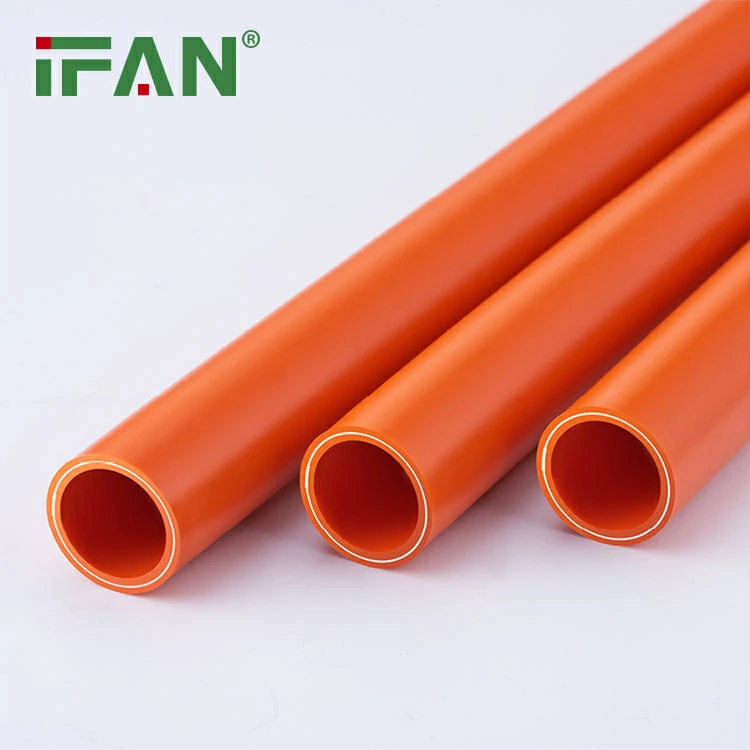
When should I use CPVC pipe?
CPVC (chlorinated polyvinyl chloride) pipes are suitable for various applications, but there are specific scenarios where they are particularly advantageous. Here are some instances when you should consider using CPVC pipes:
1. Hot Water Supply: CPVC pipes are an excellent choice for hot water supply systems. Their high-temperature resistance allows them to handle hot water efficiently and safely, making them ideal for residential, commercial, and industrial applications.
2. Plumbing Systems: CPVC pipes are commonly used in plumbing systems for both cold and hot water applications. They offer durability, corrosion resistance, and ease of installation, making them a reliable choice for residential and commercial plumbing installations.
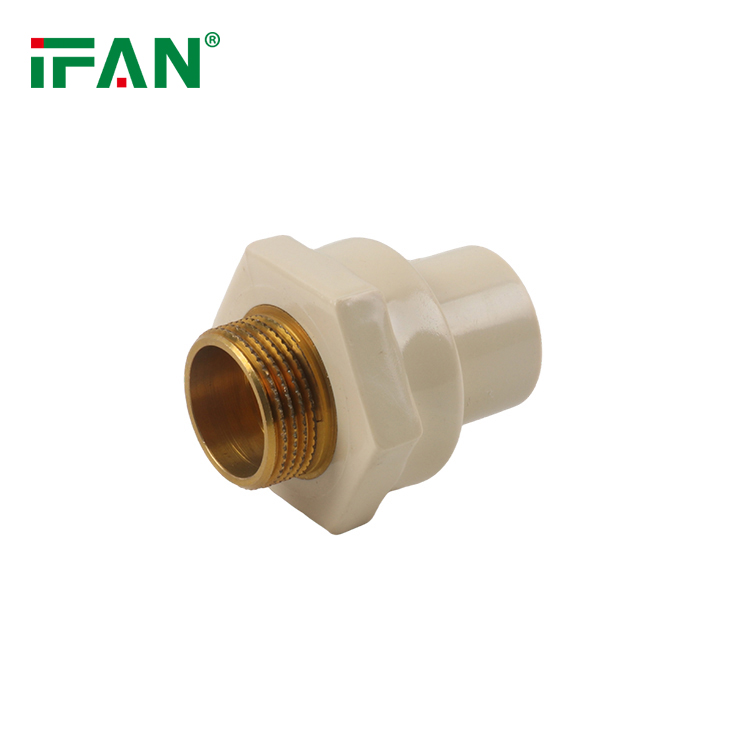
3. Water Treatment Facilities: CPVC pipes are suitable for water treatment facilities due to their chemical resistance. They can withstand exposure to disinfectants, chemicals, and aggressive substances commonly used in water treatment processes.
4. Industrial Applications: CPVC pipes find application in various industrial processes that involve the transportation of hot liquids, chemicals, or corrosive substances. Their thermal stability and chemical resistance make them suitable for industries such as chemical processing, manufacturing, and water treatment.
5. Fire Sprinkler Systems: CPVC pipes are commonly used in fire sprinkler systems due to their fire-resistant properties. They can handle the high temperatures associated with fire emergencies, ensuring effective water distribution for fire suppression.
6. Radiant Heating Systems: CPVC pipes are suitable for radiant heating systems, where heat is distributed through the floor, walls, or ceilings. The temperature resistance of CPVC allows it to handle the elevated temperatures required for efficient heat distribution.
7. Irrigation Systems: CPVC pipes are used in irrigation systems for agricultural fields, gardens, and landscaping areas. They offer durability and chemical resistance, ensuring reliable water distribution in outdoor environments.
8. Pool and Spa Installations: CPVC pipes are suitable for pool and spa installations, including water circulation, filtration, and heating systems. They can withstand the chemicals used in water treatment for pools and spas.
In summary, CPVC pipes are suitable for a wide range of applications, including hot water supply, plumbing systems, water treatment facilities, industrial processes, fire sprinkler systems, radiant heating, irrigation systems, and pool and spa installations. The temperature resistance, chemical resistance, and durability of CPVC pipes make them a reliable choice in these scenarios.