
As modern plumbing technology continues to evolve, PEX (cross-linked polyethylene) pipe has established itself as a popular choice for homeowners and professionals alike. Its versatility, durability, and resistance to corrosion make it an ideal option for various plumbing applications. There are different types of PEX pipes available, each designed for specific uses in residential plumbing systems. This article will explore the five main types of PEX pipes you are likely to encounter in homes, detailing their features, benefits, and typical applications.
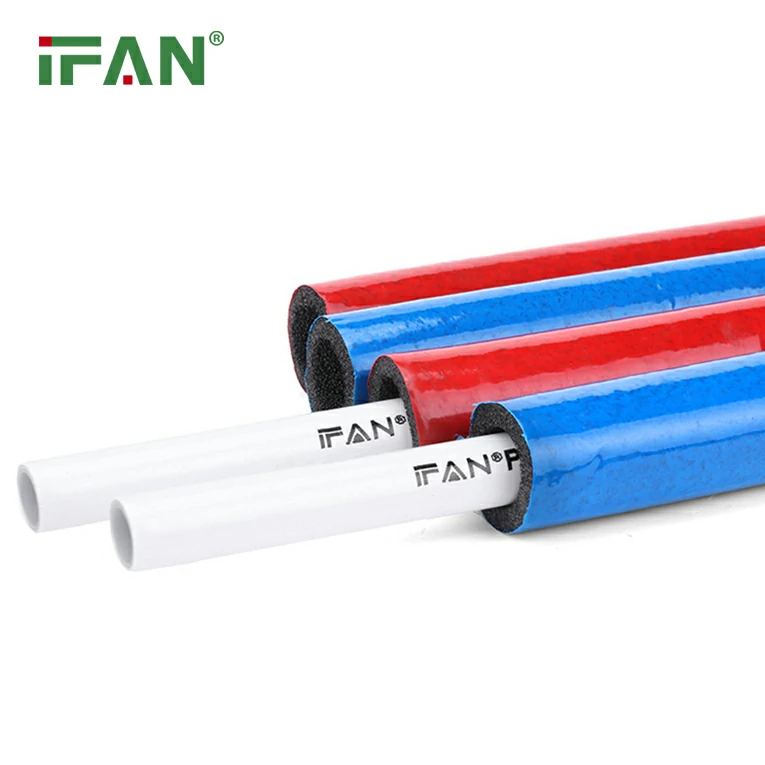
Understanding PEX Pipe
What is PEX Pipe?
PEX pipe is a flexible plastic piping material used in plumbing and heating applications. Created through the process of cross-linking polyethylene, PEX offers numerous advantages over traditional materials such as copper and PVC:
- Flexibility: PEX pipes can bend and curve, reducing the need for numerous fittings. This property simplifies installation and minimizes potential leak points.
- Corrosion Resistance: Unlike metal pipes, PEX does not corrode or rust, ensuring a longer lifespan for plumbing systems.
- Ease of Installation: The lightweight nature of PEX allows for quicker installations and reduced labor costs.
- Lower Noise Levels: PEX pipes help absorb vibrations, resulting in quieter water flow compared to traditional metal pipes.
Types of Plumbing PEX Pipes
1. PEX-A
Description: PEX-A is produced using the Engel method, which involves cross-linking the polyethylene during the extrusion process. This manufacturing method creates a highly flexible and resilient pipe that can withstand extreme temperatures and pressures.
Benefits:
- Ultimate Flexibility: PEX-A pipes can easily be bent and shaped, allowing for tight turns and loops without requiring additional fittings.
- Heat Memory: PEX-A can “remember” its original shape after deformation when exposed to heat, helping to repair minor kinks.
- Superior Resistance to Freezing: PEX-A has excellent resistance to freezing and is more durable in colder environments.
Typical Applications:
- Ideal for residential hot and cold water supply lines.
- Commonly used in radiant heating and hydronic heating systems.
2. PEX-B
Description: PEX-B is manufactured using the Silane method, which cross-links the polyethylene after production. This process makes PEX-B pipes slightly less flexible than PEX-A but still suitable for various plumbing applications.
Benefits:
- Cost-Effective: PEX-B pipes are often less expensive than PEX-A, making them a popular choice for budget-conscious projects.
- Good Flexibility: While not as flexible as PEX-A, PEX-B still offers sufficient flexibility for most applications.
- Reduced Expansion: PEX-B experiences less expansion when heated compared to PEX-A, resulting in improved performance in hot water applications.
Typical Applications:
- Used for residential plumbing, including hot and cold water lines.
- Suitable for outdoor irrigation systems and snow melting systems.
3. PEX-C
Description: PEX-C is produced using a different cross-linking method involving high-energy radiation. As a result, PEX-C has a more rigid structure compared to PEX-A and PEX-B.
Benefits:
- Stability: PEX-C pipes are less susceptible to expansion and contraction, making them a stable choice for certain plumbing applications.
- Resistant to Chemicals: PEX-C generally has higher resistance to chemicals, making it suitable for certain industrial or unique applications.
Typical Applications:
- Commonly used for plumbing applications where higher rigidity and chemicals resistance are essential.
- Sometimes employed in closed-loop systems where temperature fluctuations might affect the pipe.
4. Oxygen Barrier PEX
Description: Oxygen barrier PEX pipes have an additional layer or coating that prevents oxygen permeation. This characteristic is crucial for certain heating systems, particularly those using non-potable water.
Benefits:
- Prevention of Corrosion: The oxygen barrier helps prevent corrosion of metal components in heating systems, especially when used with iron or steel components.
- Enhanced System Longevity: By preventing oxygen infiltration, these pipes extend the life of heating systems.
Typical Applications:
- Widely used in hydronic heating systems and radiant floor heating applications.
- Commonly used in zones where metal components may be prone to corrosion due to oxygen exposure.
5. PEX-AL-PEX
Description: PEX-AL-PEX is a composite pipe made of an inner layer of PEX, a middle layer of aluminum, and an outer layer of PEX. This combination provides unique benefits not found in standard PEX pipes.
Benefits:
- Greater Stability: The aluminum layer helps prevent thermal expansion and contraction, making the pipe more stable in fluctuating heat conditions.
- Durability: PEX-AL-PEX is highly resistant to pressure and can handle various applications without compromising performance.
- Ideal for High-Temperature Applications: This type of PEX is suitable for hot water and heating applications that may exceed regular PEX limits.
Typical Applications:
- Recommended for heating systems, including underfloor heating and other applications requiring high durability and temperature resistance.
- Used in commercial plumbing systems due to its robustness and reliability.
Conclusion
Understanding the different types of PEX pipes available for plumbing is crucial for homeowners, contractors, and DIY enthusiasts alike. Each type of PEX pipe—whether PEX-A, PEX-B, PEX-C, oxygen barrier PEX, or PEX-AL-PEX—has its unique benefits and suitable applications. As the demand for versatile and efficient plumbing solutions rises, PEX continues to be a reliable choice for modern plumbing systems.
When considering which type of PEX pipe to use, it is essential to evaluate your specific application needs, budget constraints, and the environmental conditions your plumbing system will face. By selecting the appropriate type of PEX pipe, you can ensure a long-lasting, efficient, and effective plumbing system in your home.
FAQs
1. What is the main advantage of using PEX pipe for plumbing?
PEX pipe is flexible, resistant to corrosion, easy to install, and efficient for both hot and cold water applications.
2. How do I know which type of PEX pipe to use?
Choose the type of PEX pipe based on its intended use, such as PEX-A for flexibility, PEX-B for cost-effectiveness, or PEX-AL-PEX for high-temperature applications.
3. Can I use PEX pipes for outdoor applications?
While PEX is suitable for some outdoor applications, such as irrigation, it should be protected from UV exposure to prevent degradation.
4. Is PEX pipe suitable for potable water systems?
Yes, PEX pipes are approved for potable water supply, and their resistance to corrosion helps maintain water quality.
5. How do I connect PEX pipes?
PEX pipes can be connected using several methods, including crimp connections, clamp connections, and push-fit fittings, depending on the type of PEX and fittings being used.


