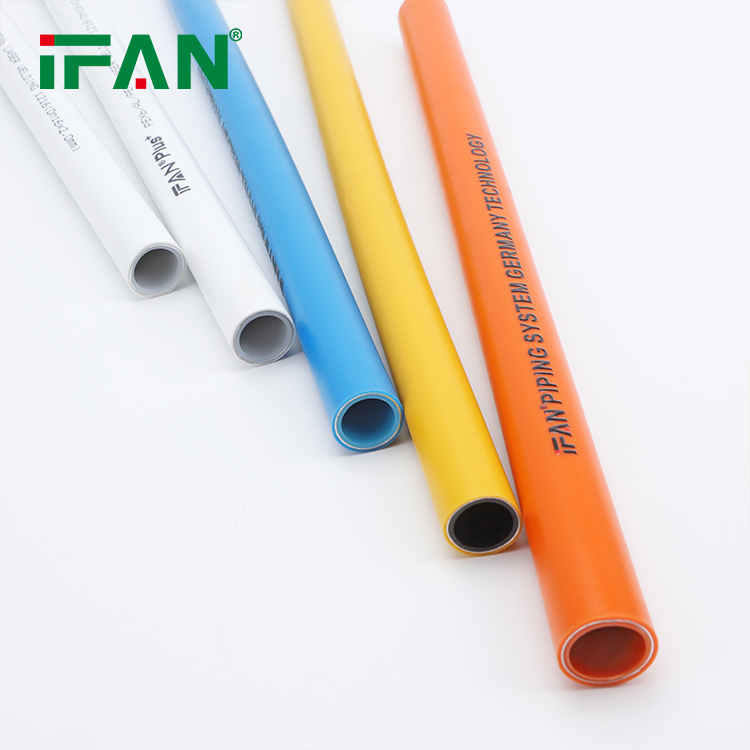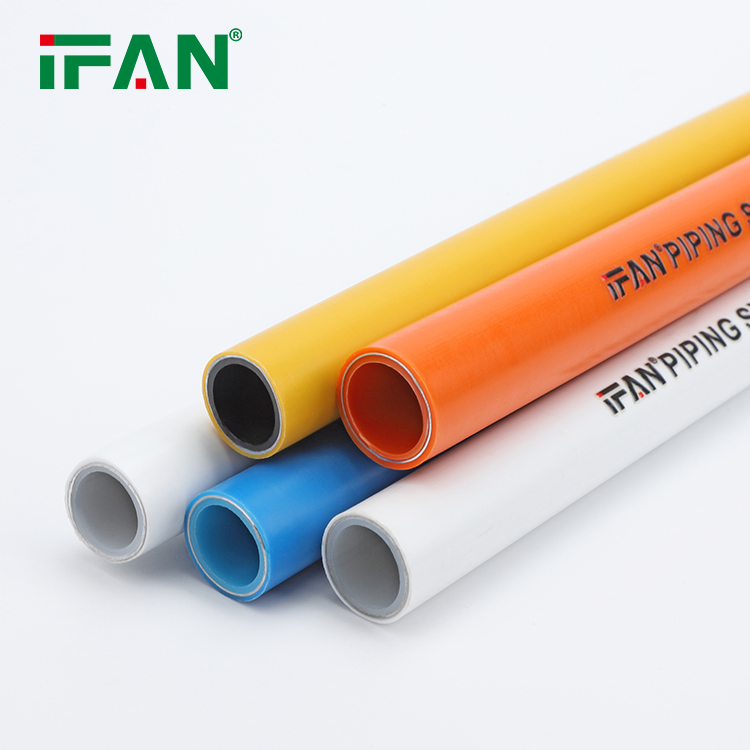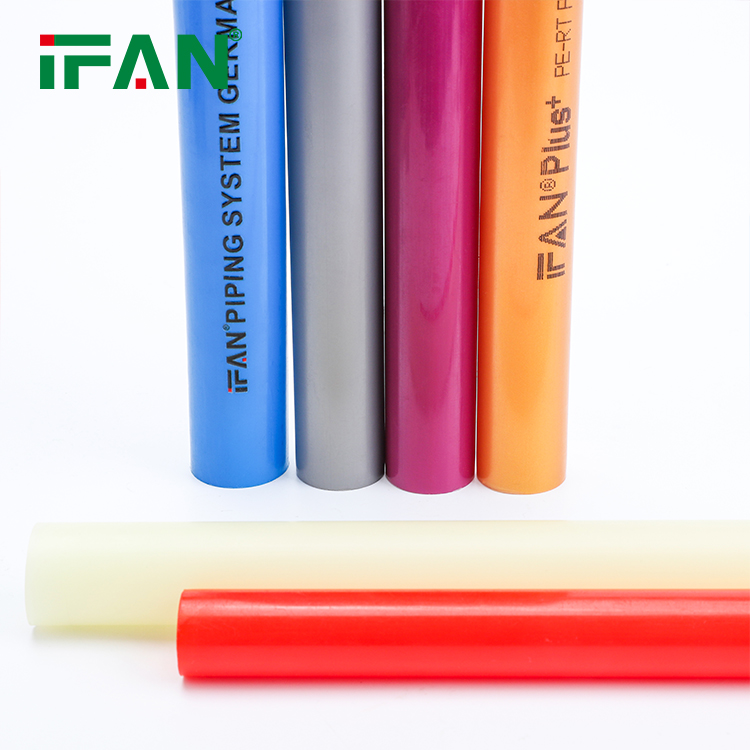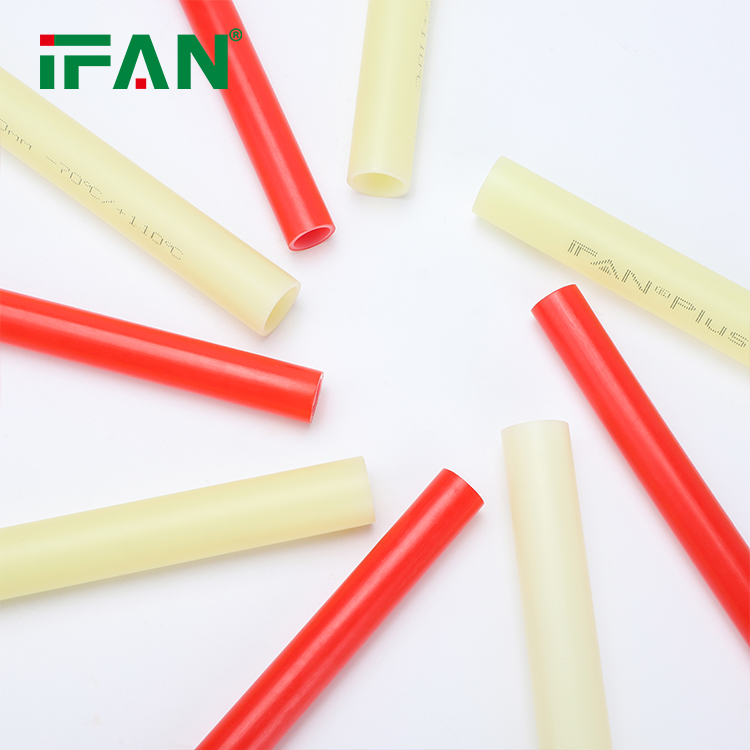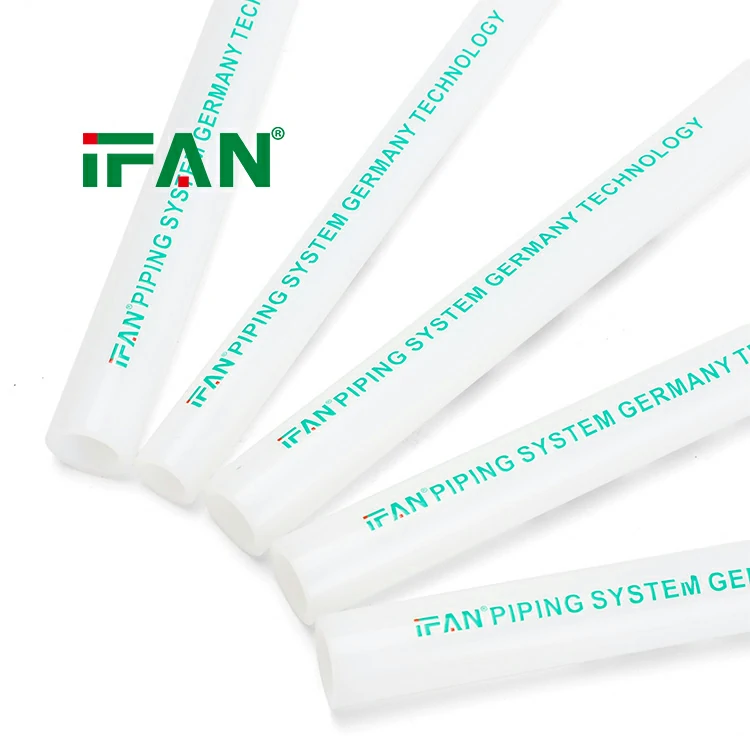
IFAN factory 30+ years manufacture experience support color /size customization support free sample.Welcome to consult for catalog and free samples.This is our Facebook Website:www.facebook.com,Click to watch IFAN’s product video.Compared with Tomex products, our IFAN products from quality to price are your best choice, welcome to buy!
1. Introduction to Brass Ball Valves and Environmental Concerns
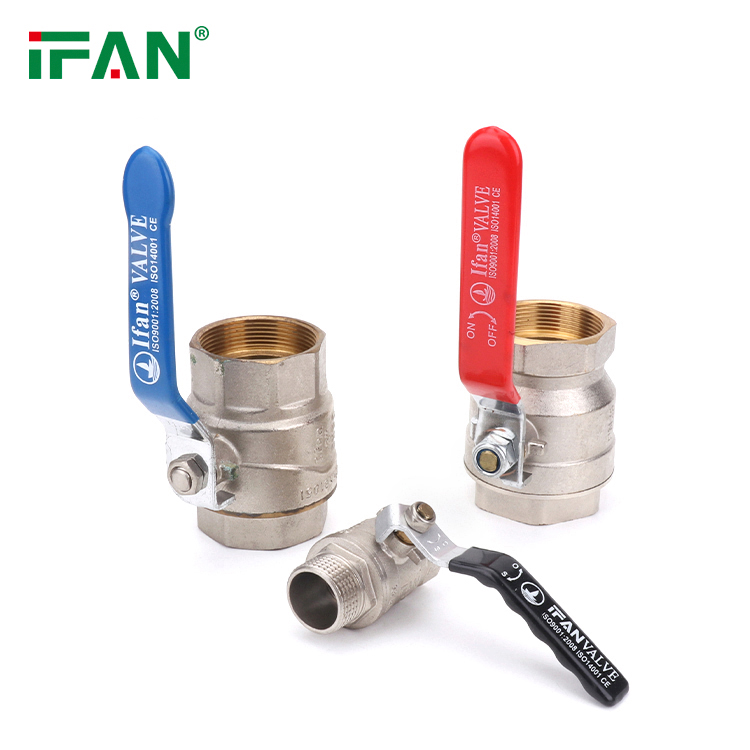
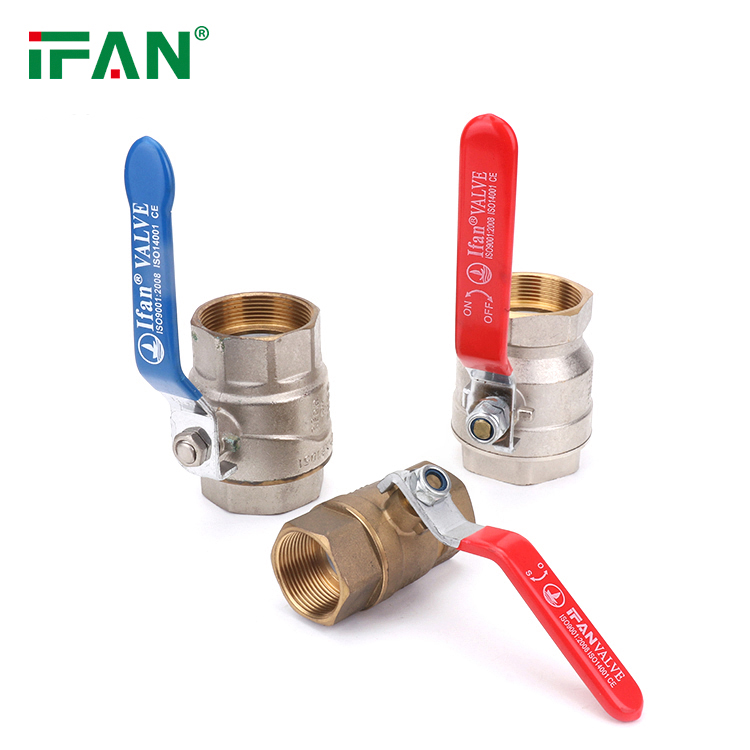
Brass ball valves are widely used in various industrial and domestic applications due to their durability and performance. However, the disposal of these valves at the end of their life cycle presents environmental concerns. Brass, an alloy primarily composed of copper and zinc, has specific environmental impacts when not managed properly. Understanding these impacts and the processes involved in the disposal and recycling of brass ball valves is crucial for mitigating adverse effects and promoting sustainability.
2. Environmental Impact of Improper Disposal
Improper disposal of brass ball valves can lead to significant environmental issues. When brass valves are discarded in landfills, the metals they contain can leach into the soil and groundwater, potentially causing contamination. Copper, for example, can be toxic to aquatic life in high concentrations, while zinc can lead to soil degradation. Additionally, the accumulation of non-recycled brass contributes to the depletion of natural resources as new raw materials need to be extracted and processed. Such practices not only harm ecosystems but also waste valuable resources that could be reused or repurposed.
3. Benefits of Recycling Brass Ball Valves
Recycling brass ball valves offers substantial environmental benefits. Brass is a highly recyclable material, and recycling helps conserve natural resources by reducing the need for virgin metal extraction. Recycling processes involve melting down the brass and reforming it into new products, which significantly lowers the environmental footprint compared to producing new brass from raw materials. Moreover, recycling reduces energy consumption and greenhouse gas emissions associated with the production of new metals. By recycling brass valves, the industry can reduce waste, lower resource depletion, and minimize environmental pollution.
4. Recycling Processes and Challenges
The recycling process for brass ball valves typically involves several stages. Initially, the valves are collected and sorted to remove any non-metal components. They are then shredded and melted in a furnace, where impurities are removed to ensure the quality of the recycled brass. The molten brass is then cast into new forms for various applications. However, recycling brass presents challenges such as the need for efficient sorting and the removal of contaminants. Additionally, the quality of recycled brass can vary, which may impact its use in high-precision applications. Addressing these challenges is essential for optimizing the recycling process and ensuring the effective reuse of brass materials.
5. Promoting Sustainable Practices and Future Directions
Promoting sustainable practices in the disposal and recycling of brass ball valves involves a combination of industry initiatives and regulatory measures. Companies can adopt eco-friendly practices by incorporating more recycled brass into their manufacturing processes and improving the efficiency of their recycling systems. Governments and environmental organizations can support these efforts through policies and incentives that encourage recycling and proper disposal. Looking ahead, advancements in recycling technologies and increased awareness about sustainability will likely drive further improvements in the management of brass waste. By fostering a circular economy, where materials are continually reused and recycled, the environmental impact of brass ball valve disposal can be significantly reduced.
In conclusion, the environmental impact of brass ball valve disposal and recycling is a critical issue that requires attention from both industry and consumers. Proper disposal and efficient recycling of brass help mitigate pollution, conserve resources, and reduce energy consumption. By addressing the challenges associated with recycling and promoting sustainable practices, it is possible to minimize the environmental footprint of brass ball valves and support a more sustainable future.