
In the world of plumbing, ensuring the integrity of water supply systems is paramount. One of the materials that have gained immense popularity in modern plumbing is PEX (cross-linked polyethylene) piping. PEX is known for its flexibility, resistance to corrosion, and ease of installation. However, as with any plumbing material, issues can arise—particularly when it comes to the connection between copper pipes and PEX fittings. This article will explore the causes of leaks that may occur in copper to PEX connections, the challenges in identifying these causes, and potential remedies available to homeowners and contractors.
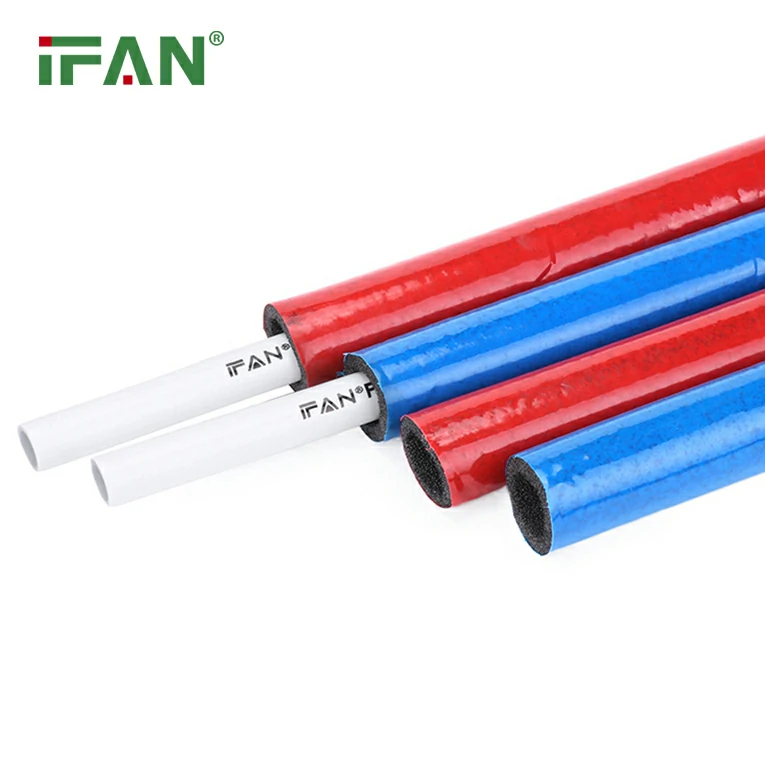
Understanding PEX Pipe
What is PEX Pipe?
PEX is a type of plastic plumbing material made from cross-linked polyethylene, typically used for various plumbing and heating applications. Its unique properties make it a favorite among builders and contractors:
- Flexibility: PEX can bend and curve, allowing easy maneuvering through walls and around obstacles.
- Corrosion Resistance: Unlike copper, PEX does not corrode, ensuring cleaner water and a longer lifespan.
- Ease of Installation: PEX piping systems require fewer fittings than traditional materials, making installation faster and cost-effective.
Advantages of PEX Over Copper
PEX offers several advantages when compared directly to copper piping:
- Cost-Effectiveness: PEX is generally less expensive than copper, both in terms of material costs and installation expenses.
- Temperature Resistance: PEX can handle temperature fluctuations well, maintaining performance in both hot and cold water applications.
- Reduced Noise: Water flow through PEX pipes produces less noise than through copper pipes, contributing to a quieter environment.
The Issue: Copper to PEX Leaks
Causes of Leaks
When transitioning from copper piping to PEX, various factors can lead to leaks. Understanding these potential causes is essential for effectively addressing and preventing future issues.
1. Improper Fittings
Fittings play a critical role in connecting copper pipes to PEX. If these fittings are not properly installed or are of poor quality, they can lead to leaks. Common issues include:
- Incorrect Size: Using fittings that are not compatible with both copper and PEX can lead to weak connections.
- Wear and Tear: Over time, fittings may wear out due to pressure changes or thermal expansions, resulting in leaks.
2. Thermal Expansion
PEX pipes can expand and contract with temperature changes. When connected to rigid copper pipes, this movement can cause stress at the connection point. If not properly addressed, this stress can lead to leaks.
3. Corrosion of Copper
Copper pipes can corrode over time, especially if they are exposed to aggressive water chemistry or harsh environments. As the copper deteriorates, it can affect the integrity of the connection, leading to leaks where the copper meets the PEX.
4. Installation Errors
Improper installation can lead to leaks. This includes inadequate cleaning of the copper surface before attaching the PEX, insufficient tightening of fittings, or failure to use the appropriate installation methods.
Challenges in Identifying the Cause
One of the primary issues with leaks at copper to PEX connections is the difficulty in pinpointing the exact cause. Plumbing systems are complex, and leaks may not always be immediately visible. Here are some challenges faced during the diagnostic process:
- Hidden Leaks: Leaks at connections can occur behind walls or under floors, making them difficult to diagnose without proper tools and expertise.
- Multiple Connection Points: Copper to PEX transitions often involve multiple fittings, complicating the identification of the leak source.
- Pressure Tests: Pressure testing may not always reveal problematic connections, particularly if the leak is small or intermittent.
Remedies and Solutions
1. Inspection and Assessment
To effectively address leaks in copper to PEX connections, a thorough inspection of the plumbing system is critical. This may involve:
- Visual Checks: Look for signs of water damage, discoloration, or corrosion at connection points.
- Pressure Testing: Conducting pressure tests can help confirm whether there are leaks present in the system.
2. Replacing Faulty Fittings
If faulty fittings are identified as the root cause of leaks, replacing them is a suitable remedy. It is vital to select high-quality, compatible fittings designed for use with both copper and PEX. Ensuring that fittings are properly installed will help prevent future leaks.
3. Addressing Thermal Expansion
For systems prone to thermal expansion issues, consider the following:
- Expansion Loops: Install expansion loops in the PEX piping to absorb movement and reduce stress at the connections.
- Flexible Connectors: Use flexible connectors between copper and PEX to allow for movement without compromising the connection.
4. Moisture Control
Helps to identify and mitigate external moisture sources that may contribute to corrosion and leaks:
- Insulation: Insulate both PEX and copper pipes to regulate temperature and reduce condensation.
- Water Chemistry: Check the water chemistry to ensure it is not overly aggressive or corrosive, which could lead to pipe deterioration.
5. Professional Assistance
For persistent or challenging leaks, enlisting the help of a licensed plumber can be invaluable. A professional will have the necessary tools and expertise to diagnose and resolve issues effectively.
Preventing Future Leaks
Routine Maintenance
Implement a maintenance plan for plumbing systems that includes:
- Regular Inspections: Conduct routine inspections for signs of wear, leaks, or corrosion at connection points.
- Testing Pressure: Periodically pressure test the system to ensure its integrity.
Education and Training
For contractors and DIY enthusiasts, understanding the importance of proper installation practices is key. Engaging in training programs or workshops on PEX plumbing can enhance skills and foster best practices, reducing the likelihood of future problems.
Conclusion
Copper to PEX pipe leaks can be frustrating for both homeowners and contractors, especially given the challenges in diagnosing the exact cause. By understanding the potential issues—ranging from improper fittings to thermal expansion—and implementing effective remedies, it is possible to mitigate leaks in plumbing systems. As the popularity of PEX pipe continues to grow, ensuring proper installation, maintenance, and inspection will be vital for long-lasting, reliable plumbing solutions.
FAQs
1. What is PEX pipe?
PEX pipe is cross-linked polyethylene piping, known for its flexibility, corrosion resistance, and ease of installation in plumbing and heating applications.
2. What causes leaks in copper to PEX connections?
Leaks can result from improper fittings, thermal expansion, corrosion of copper, or installation errors.
3. How can I prevent leaks when connecting PEX to copper pipes?
Using high-quality fittings, ensuring proper installation techniques, and addressing thermal expansion are key to preventing leaks.
4. What should I do if I suspect I have a leak in my plumbing system?
Conduct a visual inspection for signs of water damage or corrosion, and consider pressure testing the system to confirm leaks. Contact a licensed plumber for complex issues.
5. Can I use PEX in heating systems?
Yes, PEX is commonly used in hydronic and radiant heating systems due to its excellent thermal properties and flexibility.


