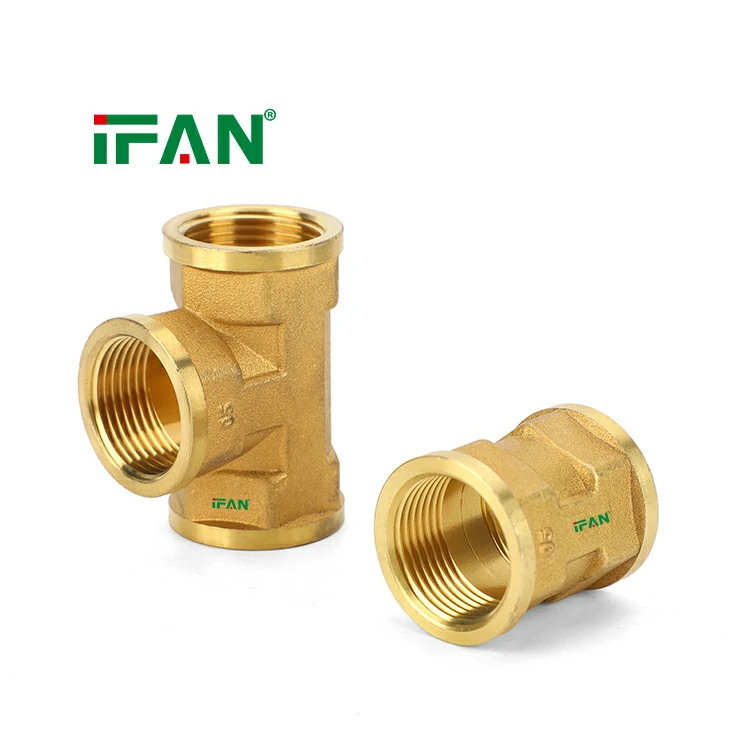
Compressed air systems need reliable components to maintain stable airflow and prevent pressure loss. Brass pipe fittings are widely used in these systems because they offer strength, durability, and good resistance to corrosion. They connect pipes, hoses, valves, filters, and other pneumatic components.
Choosing the right fitting can improve system performance and reduce maintenance work. Brass fittings are also available in many shapes and thread configurations. This makes them suitable for both simple installations and complex compressed air networks.
Why Use Brass Pipe Fittings in Compressed Air Systems?
Brass is a popular material for compressed air pipe fittings. It provides a useful balance between mechanical strength and corrosion resistance. This is important in pneumatic applications where fittings may operate under continuous pressure.
Brass fittings can handle repeated connection and disconnection without easily damaging the threads. They also maintain good dimensional stability during normal operating conditions.
Another benefit is their versatility. Brass pipe fittings are available as elbows, tees, couplings, adapters, reducers, and other connection types. This allows installers to build different compressed air layouts with fewer compatibility issues.
Brass Fittings for Pneumatic Pipe Connections
A compressed air system may contain several types of connection points. Each point needs a suitable fitting to create a secure and reliable joint.
Brass elbows are useful when the pipeline needs to change direction. Brass tees can divide airflow into different branches. Couplings connect two pipes with similar thread sizes.
Reducers are useful when a system changes from a larger pipe size to a smaller one. Brass adapters can also connect components with different thread standards or connection types.
Using the correct fitting for each connection helps maintain consistent airflow throughout the system.
Key Features of Brass Pipe Fittings
Quality brass pipe fittings for compressed air systems should meet several important requirements.
Pressure resistance is one of the most important factors. The fitting must be suitable for the working pressure of the pneumatic system.
Thread accuracy also matters. Precise threads provide better engagement and help reduce the risk of leakage.
Corrosion resistance is another advantage of brass. Compressed air systems can contain moisture, especially when air treatment is not properly managed.
Mechanical strength allows brass fittings to withstand normal installation forces and operating conditions.
Dimensional consistency helps fittings work correctly with pipes, hoses, valves, and pneumatic equipment.
Common Types of Brass Pipe Fittings
There are many brass fitting designs for compressed air applications.
Brass Elbow Fittings
Brass elbows change the direction of an air pipeline. Common angles include 45 degrees and 90 degrees. They are useful in compact installations where straight pipe routing is not practical.
Brass Tee Fittings
A brass tee creates a branch from the main compressed air line. It can supply air to multiple pneumatic devices from one pipeline.
Brass Couplings
Brass couplings join two sections of pipe. They are simple components but play an important role in extending compressed air lines.
Brass Adapters
Brass adapters connect components with different connection types or thread configurations. They are useful when integrating different pneumatic products into one system.
Brass Reducers
Reducers allow installers to transition between different pipe sizes. They can help create suitable branch lines for equipment with lower airflow requirements.
Thread Standards for Compressed Air Fittings
Thread compatibility is essential when selecting brass pipe fittings. Different markets commonly use thread standards such as BSP, BSPT, NPT, and other specifications.
A fitting with the wrong thread standard may not create a proper seal. Forced installation can also damage the fitting or connected component.
Before purchasing brass fittings, check the pipe size, thread type, connection method, and required pressure rating. These details can prevent installation problems and unnecessary replacement costs.
Preventing Air Leakage
Air leakage is a common concern in compressed air systems. Even a small leak can reduce system efficiency over time.
Proper fitting selection is the first step toward reducing leakage. The threads should match correctly, and the fitting should be installed according to the recommended procedure.
Thread sealant may also be required for certain threaded connections. However, installers should avoid excessive sealant because loose material can enter the air system.
Regular inspection is also useful. Check threaded joints, adapters, and connection points for signs of leakage or mechanical damage.
Applications of Brass Pipe Fittings
Brass pipe fittings are used across many pneumatic applications. They can be found in factory air lines, workshops, automation equipment, air compressors, and pneumatic control systems.
They are also suitable for connecting air preparation equipment. This includes filters, regulators, lubricators, gauges, and pneumatic valves.
For industrial installations, fitting quality becomes even more important. Continuous operation can place greater demands on connections and pipeline components.
In smaller workshops, brass fittings offer a practical solution for building compressed air distribution lines and connecting pneumatic tools.
How to Choose the Right Brass Fittings
Start by checking the working pressure and temperature of the compressed air system. Then confirm the pipe or hose size.
Next, identify the required thread standard. The connection type should match the existing pipeline or equipment.
The fitting shape is also important. Elbows, tees, couplings, adapters, and reducers each serve different installation purposes.
Material quality should not be overlooked. High-quality brass provides reliable mechanical performance and stable connections.
For larger projects, buyers should also consider production capacity, quality control, customization options, and delivery reliability. A consistent supplier can simplify procurement for repeated orders.
Brass Pipe Fittings from IFAN
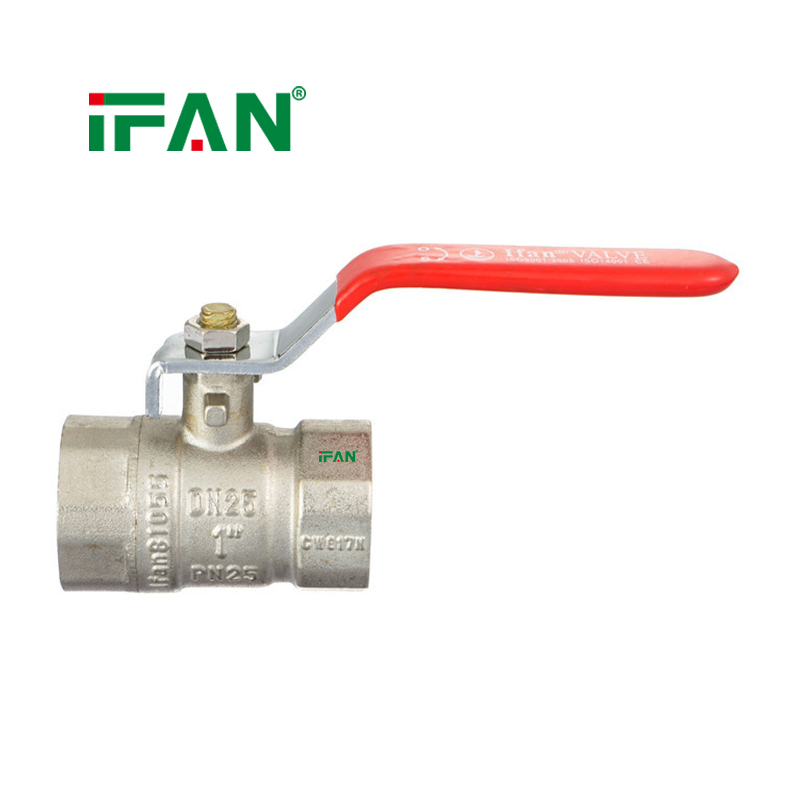
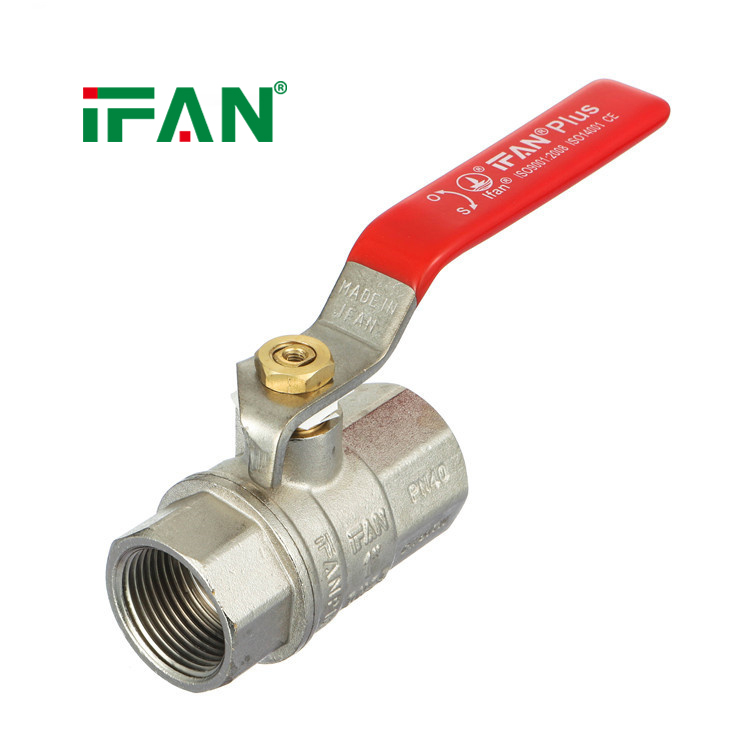
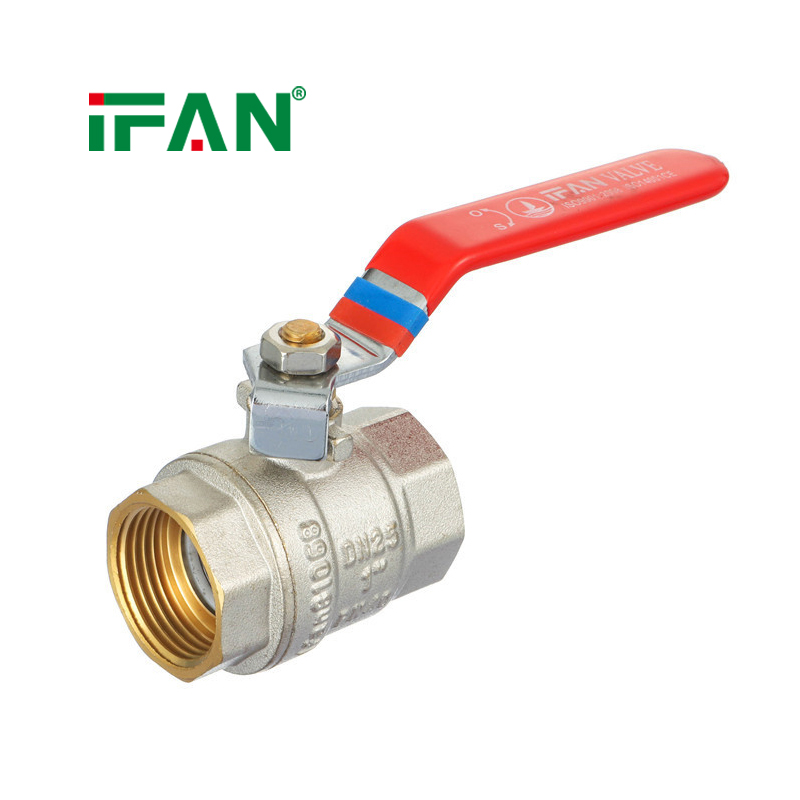
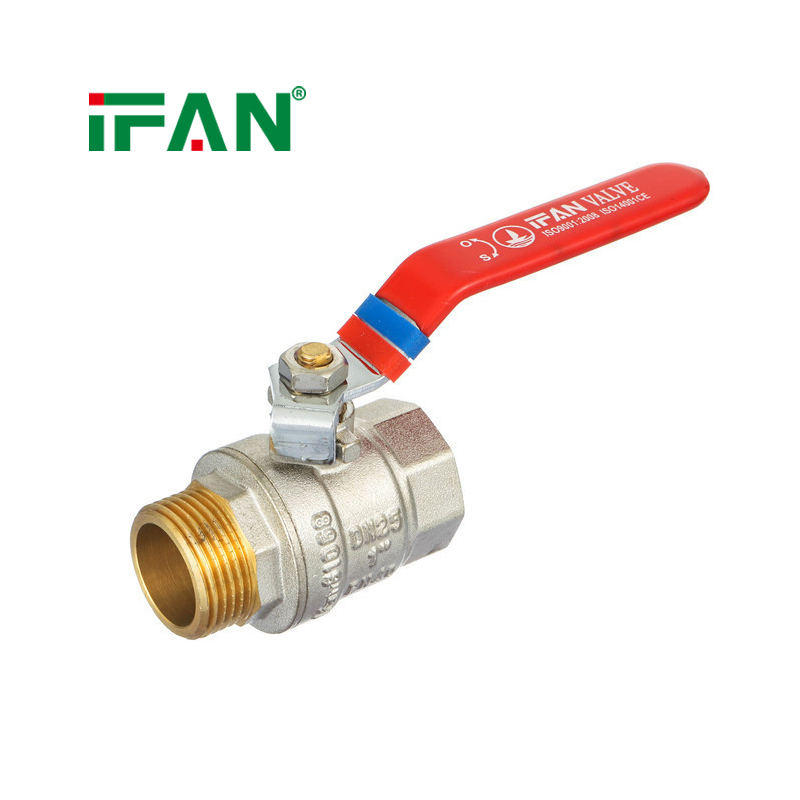
IFAN provides brass pipe fittings for plumbing, pneumatic, and industrial connection applications. With professional manufacturing capabilities, IFAN focuses on dimensional accuracy, material consistency, and dependable product quality.
Different fitting designs and connection specifications can be supplied for various project requirements. OEM and customized solutions can also help distributors and engineering companies develop products suited to their markets.
For buyers looking for a reliable brass pipe fittings manufacturer, IFAN offers a practical combination of manufacturing experience, product variety, and quality-focused production.
Conclusion
Brass pipe fittings are an important part of many compressed air systems. Their strength, corrosion resistance, and wide range of connection options make them suitable for pneumatic installations.
The right fitting should match the system pressure, pipe size, thread standard, and application requirements. Proper installation and regular inspection can further reduce leakage and maintenance issues.
For wholesalers, distributors, contractors, and industrial buyers, choosing a dependable manufacturer is equally important. IFAN offers brass pipe fittings designed to support reliable connections across different applications. With suitable specifications and consistent manufacturing, brass fittings can provide long-term value for compressed air systems.