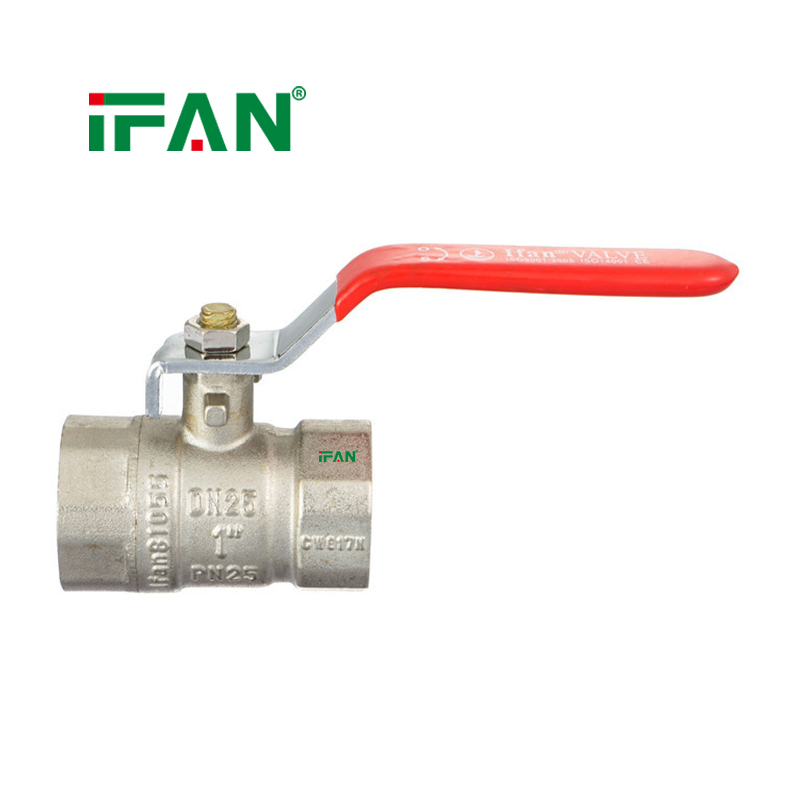
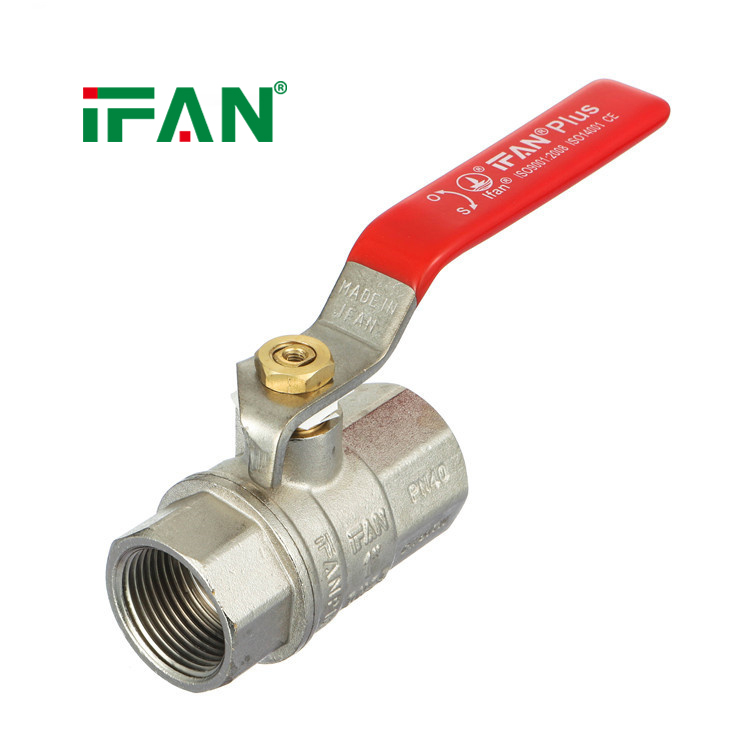
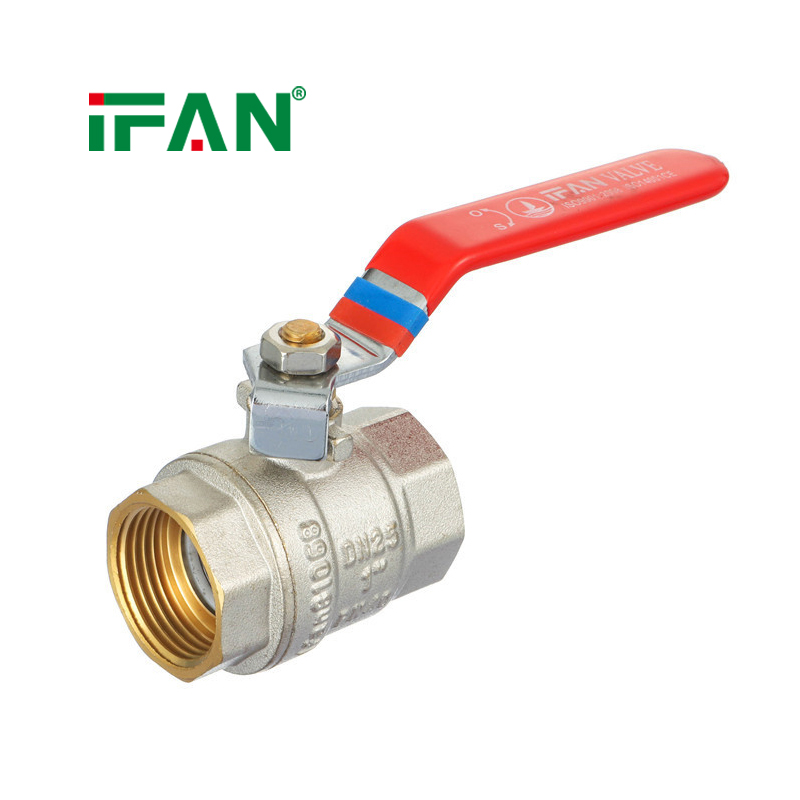
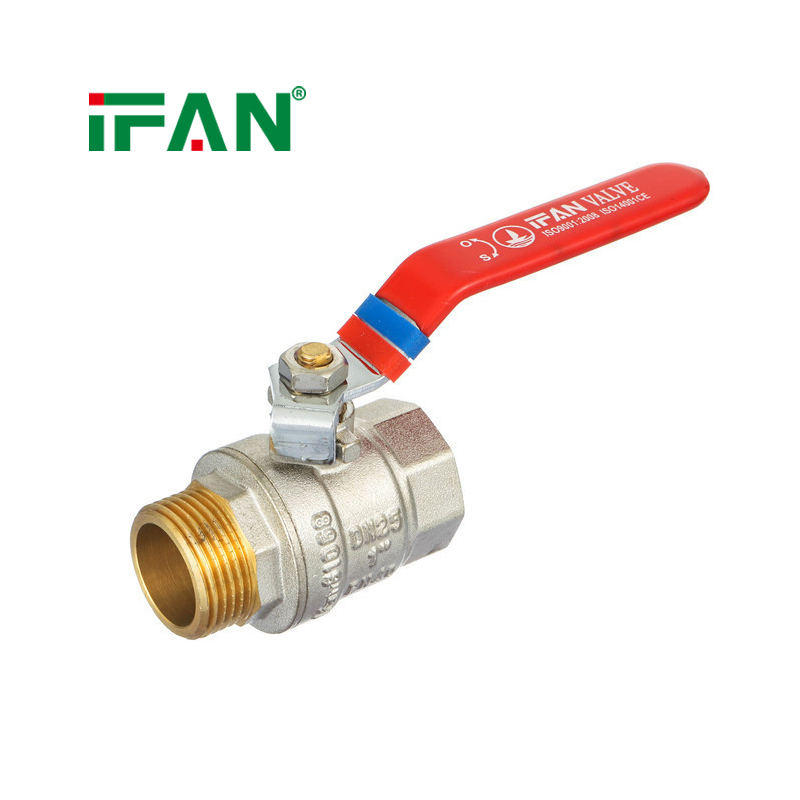
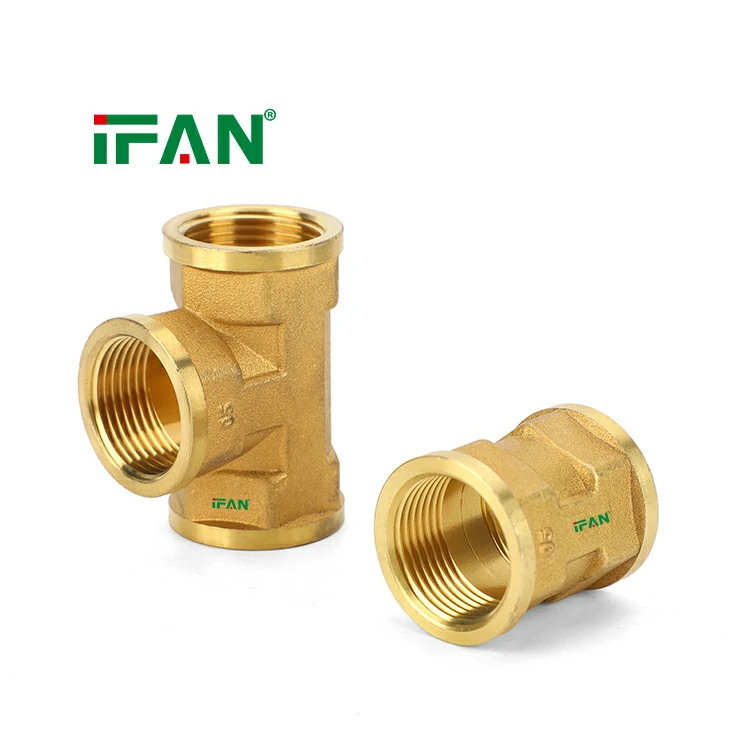
Brass threaded pipe fittings are widely used in modern plumbing systems. They provide a practical way to connect pipes, valves, pumps, and other plumbing components. Their threaded design makes installation simple and allows secure connections without complex equipment.
Brass is also known for its strength and corrosion resistance. These properties make brass threaded fittings suitable for residential, commercial, and industrial plumbing projects. From water supply lines to heating systems, they offer dependable performance in many applications.
What Are Brass Threaded Pipe Fittings?
Brass threaded pipe fittings are plumbing components made from brass with internal or external threads. The threads allow pipes and other fittings to connect firmly. Common types include brass elbows, tees, couplings, adapters, reducers, and nipples.
Threaded fittings can use different thread standards. NPT, BSP, and BSPT are common options in international plumbing markets. Choosing the correct thread type is important for creating a proper connection.
These fittings are available in many sizes. This makes them suitable for small household plumbing and larger commercial pipe networks.
Why Choose Brass for Plumbing Fittings?
Brass offers several useful properties for plumbing applications. It has good mechanical strength and can handle regular pressure changes. This is important for water supply systems that operate under different flow conditions.
Another benefit is corrosion resistance. Brass generally performs well in water environments when the correct alloy and surface finish are selected. This can help extend the service life of a plumbing connection.
Brass is also easy to machine. Manufacturers can produce accurate threads and complex fitting shapes with good consistency. Precise threads help reduce installation problems and improve connection reliability.
Common Types of Brass Threaded Fittings
There are many brass threaded pipe fittings available for different plumbing layouts. Each fitting serves a specific connection purpose.
Brass Threaded Elbows
Brass elbows change the direction of a pipe. The most common options are 45-degree and 90-degree elbows. They are useful when pipes need to pass around walls, equipment, or other obstacles.
Brass Threaded Tees
A brass tee creates a branch from the main pipe. It is often used in water distribution systems. Tees are also common in heating and process piping applications.
Brass Threaded Couplings
Couplings connect two pipes with compatible thread sizes. They are useful for extending an existing pipe run. Full-thread and reducing coupling designs are both available.
Brass Threaded Adapters
Adapters connect different pipe connection types. For example, a brass threaded adapter can connect a threaded pipe to another fitting or plumbing component. This makes adapters useful when different connection standards are present.
Brass Threaded Nipples
A brass nipple is a short piece of threaded pipe. It commonly connects two fittings with female threads. Different lengths and thread configurations are available for installation requirements.
Applications in Plumbing Systems
Brass threaded pipe fittings are used in many plumbing environments. Residential water supply is one of the most common applications. They can connect pipes to faucets, valves, water heaters, and other fixtures.
Commercial buildings also use brass fittings in water distribution networks. Hotels, offices, apartments, and retail buildings often require reliable threaded connections.
Heating systems can also benefit from brass threaded fittings. They are commonly used around boilers, pumps, valves, and other components. Their strength makes them suitable for many hot water applications.
In industrial environments, brass fittings may be used for water, compressed air, and selected fluid systems. However, the fitting material must always match the pressure, temperature, and fluid conditions.
Benefits of Threaded Connections
One major advantage of threaded pipe fittings is easy installation. Most connections can be assembled with standard plumbing tools. There is no need for welding or specialized fusion equipment.
Threaded connections are also convenient for maintenance. A fitting can usually be removed and replaced without cutting the entire pipe section. This can reduce repair time during plumbing maintenance.
Another advantage is flexibility. Threaded fittings come in many shapes and sizes. Plumbers can create different pipe configurations while keeping the installation relatively simple.
For projects that require frequent maintenance, this flexibility can be especially valuable.
How to Select Brass Threaded Pipe Fittings
Selecting the correct fitting requires more than checking the pipe diameter. Several technical factors should be considered before installation.
First, confirm the pipe size. The fitting should match the required nominal size and connection dimensions.
Next, check the thread standard. NPT and BSP threads are not interchangeable in most applications. Using incompatible threads can cause leaks or connection damage.
Pressure and temperature ratings should also be reviewed. The fitting must be suitable for the working conditions of the plumbing system.
Material quality is another important factor. High-quality brass can provide better durability and more consistent machining. For potable water systems, buyers should also verify that the brass alloy meets the required regulations and lead-content requirements.
Installation Tips for Brass Threaded Fittings
Proper installation helps achieve a reliable threaded connection. Before assembly, clean the pipe and fitting threads carefully. Dirt or metal particles can affect the connection.
Use an appropriate thread sealant when required by the application. PTFE tape or a compatible pipe sealant can help prevent leakage. The sealant should be applied according to the fitting manufacturer’s instructions.
Avoid excessive tightening. Over-tightening can damage threads or deform the fitting. Tighten the connection firmly while maintaining the correct installation practice for the selected thread standard.
After installation, inspect the connection and perform a pressure or leakage test when required. This step can identify installation problems before the plumbing system enters normal operation.
Brass Threaded Fittings vs Other Materials
Brass is only one option for threaded plumbing fittings. Stainless steel, plastic, copper, and other materials are also available.
Brass offers a useful balance of strength, machinability, corrosion resistance, and cost. Plastic fittings can be lighter and more economical in certain systems. Stainless steel can provide excellent corrosion resistance for demanding environments.
The best material depends on the application. Water quality, operating temperature, pressure, installation method, and project budget should all be considered.
Quality Matters for Long-Term Performance
The quality of a threaded fitting can directly affect plumbing reliability. Poorly machined threads may create leaks or make installation difficult. Inconsistent dimensions can also cause problems when fittings are connected to other components.
A professional manufacturer should control raw materials, machining accuracy, thread quality, pressure performance, and final inspection. Reliable production processes help ensure consistent fitting performance across large orders.
For distributors and plumbing wholesalers, stable quality is particularly important. Consistent products can reduce installation complaints and improve customer satisfaction.
Why Choose IFAN Brass Threaded Pipe Fittings?
IFAN provides brass threaded pipe fittings designed for a wide range of plumbing applications. With professional manufacturing capabilities and extensive experience in plumbing products, IFAN focuses on reliable dimensions, stable quality, and practical installation.
The product range can support different connection requirements, sizes, and plumbing configurations. This makes IFAN a suitable choice for distributors, contractors, wholesalers, and project suppliers seeking dependable brass fittings.
For custom projects, buyers can also discuss specifications, packaging, product configurations, and other requirements with the IFAN team. Choosing a reliable manufacturer can make sourcing easier and help maintain consistent product quality across plumbing projects.
Conclusion
Brass threaded pipe fittings remain a practical choice for many plumbing systems. Their strong construction, corrosion resistance, easy installation, and flexible connection options make them suitable for residential, commercial, and industrial applications.
Choosing the correct thread standard, size, material, and pressure rating is essential for reliable performance. Proper installation and regular inspection can further improve system durability.
For high-quality brass threaded pipe fittings, IFAN offers professional manufacturing support and a broad range of plumbing solutions. Whether you need standard fittings or project-specific products, IFAN can provide a dependable option for modern plumbing systems.