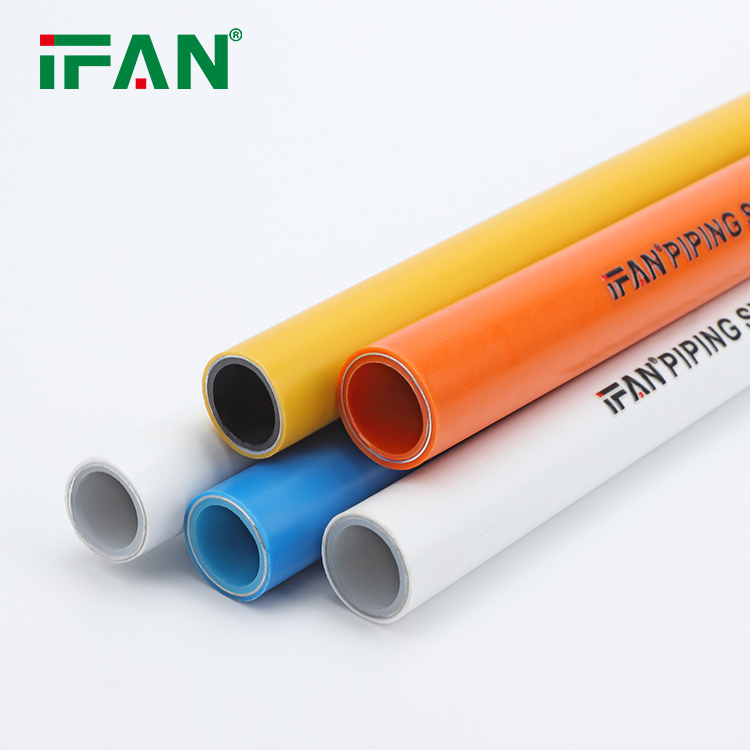
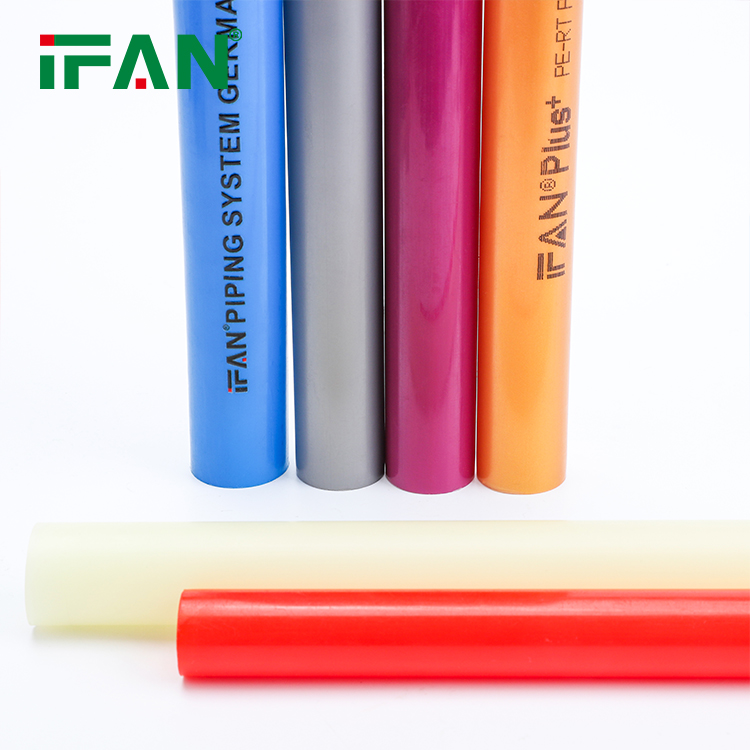
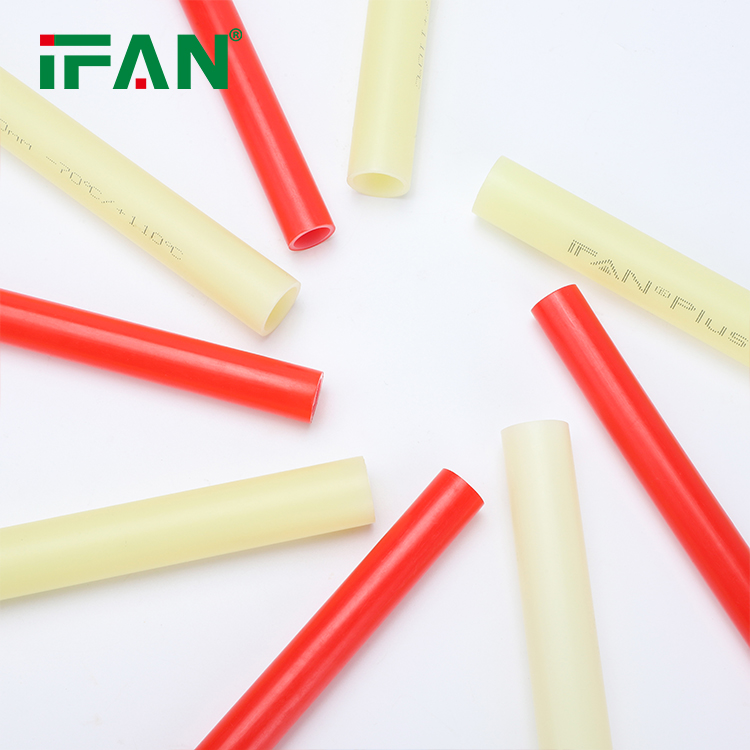
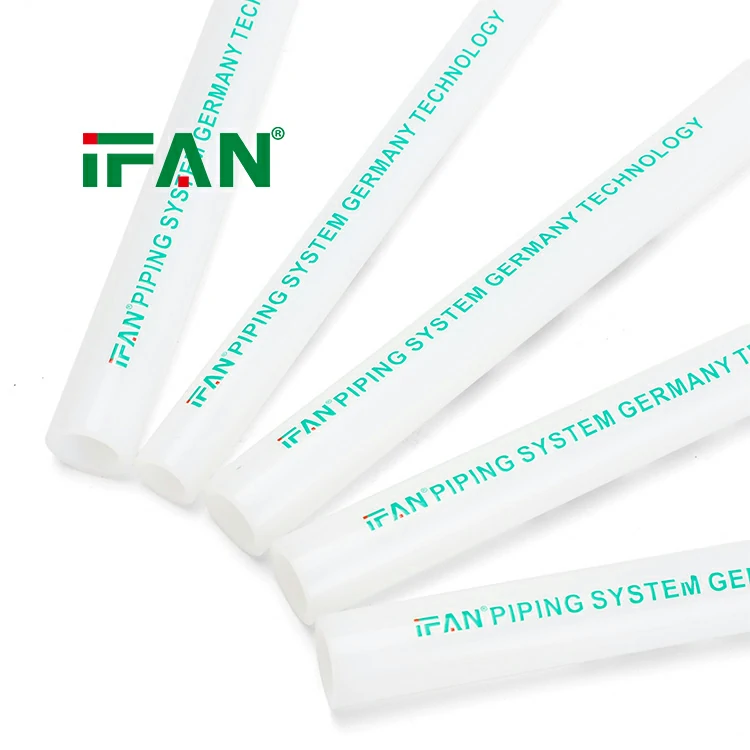
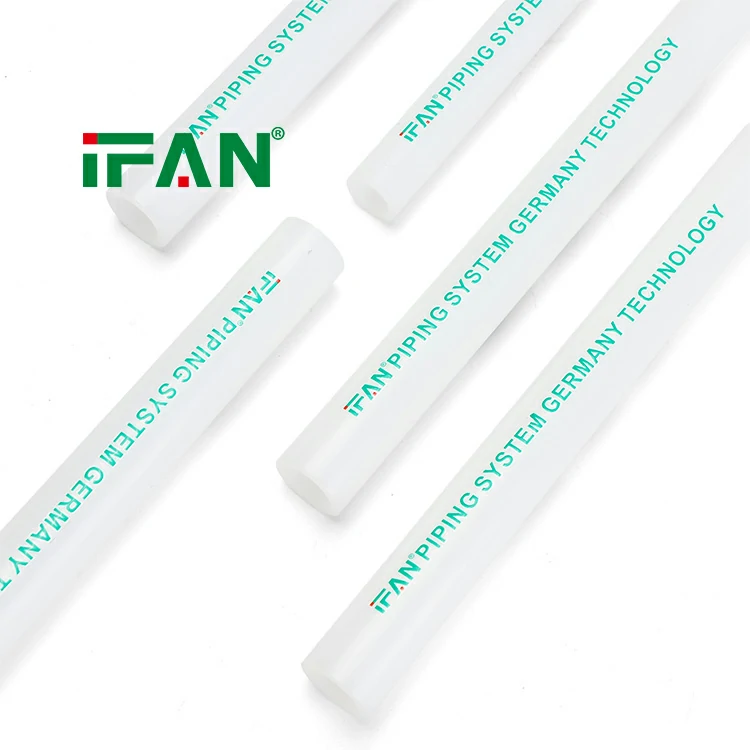
PEX-A tubing is a popular choice for modern residential plumbing systems. Homeowners and plumbing contractors value its flexibility, durability, and ease of installation. It is commonly used in new homes, renovations, and water supply projects.
Compared with traditional copper pipes, PEX-A tubing offers several practical advantages. It is lightweight and easy to route through walls, floors, and tight spaces. Its flexible structure can also reduce the need for additional fittings.
For builders and plumbing professionals, choosing the right PEX tubing can improve installation efficiency. Understanding its features and applications helps ensure a reliable plumbing system.
What Is PEX-A Tubing?
PEX-A tubing is a type of cross-linked polyethylene pipe. The letter A refers to the manufacturing method used to create cross-links within the polyethylene structure. This process helps improve the material’s resistance to heat and pressure.
PEX-A is known for its high flexibility among common PEX pipe types. It can bend around corners more easily than many rigid piping materials. This feature makes it suitable for residential water distribution systems.
The tubing is often used for hot and cold water supply. Depending on the product specification, it can also serve radiant floor heating systems. Buyers should always check the manufacturer’s technical data before selecting a product.
Benefits of PEX-A Tubing for Residential Plumbing
PEX-A tubing offers several benefits for residential plumbing installations. These advantages can help contractors complete projects with fewer complications.
High Flexibility and Easy Installation
Flexibility is one of the main reasons plumbers choose PEX-A tubing. It can follow curved routes and pass through narrow building spaces. This makes installation easier in many residential layouts.
Fewer fittings may be needed when long pipe runs can be installed continuously. Reducing connection points can also lower the number of potential leak locations.
PEX-A tubing is lightweight, so workers can carry and position it with less effort. These features make it practical for both new construction and renovation work.
Resistance to Temperature Changes
Residential plumbing systems must handle changing water temperatures. PEX-A tubing is designed for hot and cold water applications when used within its rated operating limits.
Its cross-linked structure helps the material maintain performance under suitable temperature conditions. However, the permitted temperature and pressure depend on the specific product.
Contractors should review the manufacturer’s ratings before installation. Correct product selection is essential for long-term system performance.
Resistance to Corrosion and Scale
Unlike metal pipes, PEX-A tubing does not rust. This helps avoid corrosion-related problems commonly associated with some metallic plumbing materials.
Its smooth inner surface can also help limit mineral buildup compared with rougher internal surfaces. Actual performance depends on water quality and operating conditions.
These properties make PEX-A tubing a practical option for many residential water supply systems.
Common Applications of PEX-A Tubing
PEX-A tubing can serve several functions in residential buildings. Its flexibility makes it suitable for different plumbing layouts.
Hot and Cold Water Distribution
The most common application is domestic water distribution. PEX-A tubing can supply hot and cold water to kitchens, bathrooms, laundry rooms, and other fixtures.
Its flexibility allows installers to route pipes through walls and floor spaces. This can help create an organized plumbing network with fewer unnecessary connections.
The tubing must meet local plumbing codes and the required pressure and temperature ratings. Approved fittings and installation methods are equally important.
Radiant Floor Heating
PEX-A tubing is also used in some hydronic radiant floor heating systems. The pipes carry heated water beneath the floor surface.
Its flexibility allows installers to follow planned heating circuits. This can make it easier to arrange pipe loops across different rooms.
For these systems, pipe spacing and circuit design affect heat distribution. Contractors should follow the heating system design and manufacturer instructions.
Residential Renovation Projects
Replacing old plumbing can be difficult when access is limited. PEX-A tubing can help simplify some renovation projects because it bends around obstacles.
Its relatively low weight also makes handling easier in existing buildings. Installers can often route it through accessible wall cavities and floor spaces.
Before replacing an existing system, contractors should assess the building layout. They must also confirm that the selected tubing and fittings comply with local requirements.
PEX-A vs. PEX-B: What Is the Difference?
PEX-A and PEX-B are two common types of cross-linked polyethylene tubing. Their main difference lies in the manufacturing process.
PEX-A is manufactured using the peroxide method. PEX-B typically uses the silane method. These processes produce different material characteristics.
PEX-A generally offers greater flexibility and may allow certain types of heat-assisted shape recovery. PEX-B can provide excellent performance and may be more economical in some markets.
Neither type is automatically the best choice for every project. Buyers should compare flexibility, pressure ratings, fitting compatibility, certification, and total installation cost.
For residential plumbing, the best option depends on the building design and contractor preferences.
How to Choose the Right PEX-A Tubing
Selecting the correct tubing is important for plumbing safety and performance. Buyers should evaluate several factors before placing an order.
Pipe size: Common residential sizes include 1/2-inch, 3/4-inch, and 1-inch tubing. The required size depends on water demand and system design.
Pressure rating: Confirm that the tubing can withstand the expected operating pressure. The rating must also match the intended temperature conditions.
Temperature rating: Hot water applications require tubing approved for the expected service temperature. Always follow the manufacturer’s specifications.
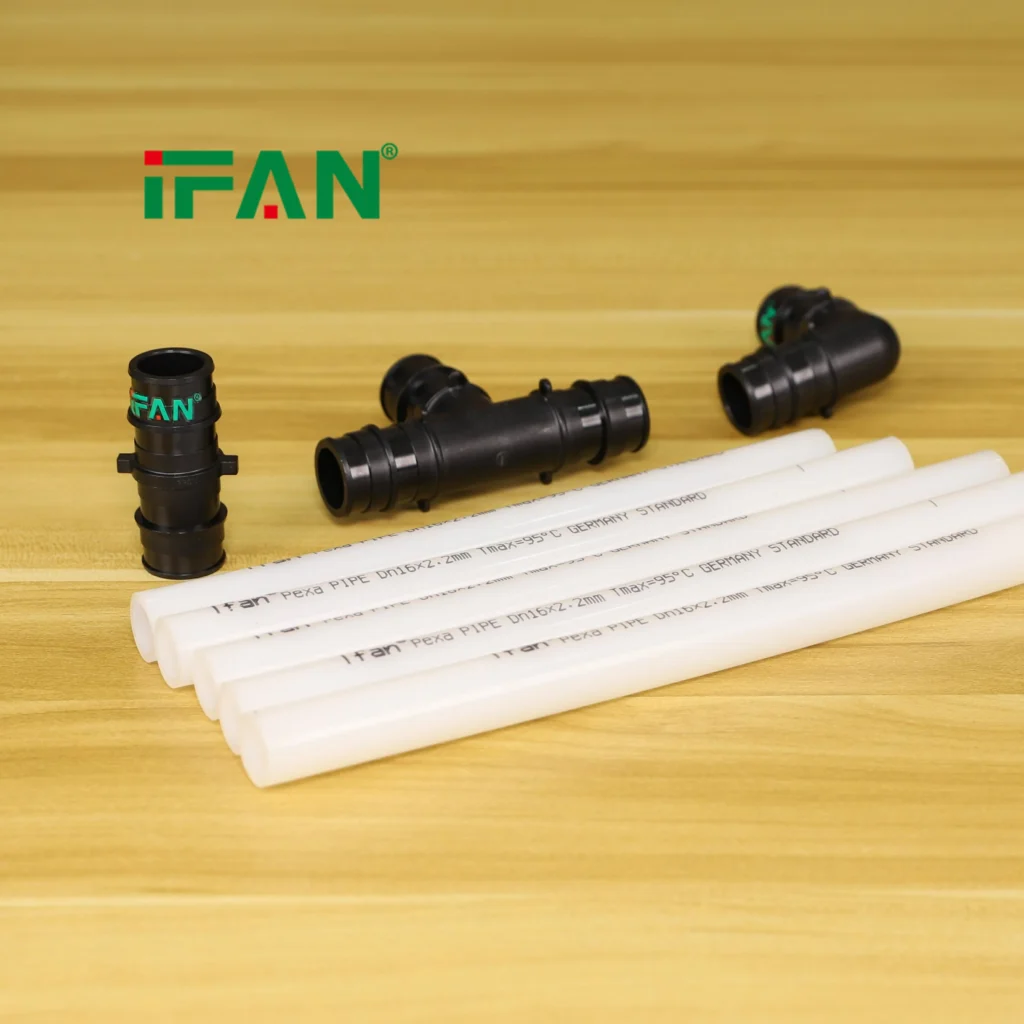
Fitting compatibility: PEX-A tubing may be used with approved expansion or other compatible connection systems. Confirm the correct fitting type and installation tools.
Certifications: Check applicable product certifications and local plumbing code requirements. Requirements can vary by country, region, and application.
Product consistency: Reliable dimensions and material quality help support smooth installation. Contractors should source tubing from manufacturers with clear technical documentation.
PEX-A Tubing Installation Tips
Proper installation helps prevent leaks and premature failures. Contractors should follow the product instructions throughout the process.
First, measure the required pipe length carefully. Use a suitable pipe cutter to create a clean, square cut.
Next, prepare the connection according to the selected fitting system. Expansion systems require compatible tools and the correct installation procedure.
Avoid sharp bends that exceed the manufacturer’s recommended limits. Support the tubing as required and allow for movement caused by temperature changes.
Before closing walls or covering pipes, inspect all connections. Conduct the required pressure test according to local codes and project specifications.
Good installation practices can reduce maintenance problems and improve the reliability of the plumbing system.
Why Quality Matters When Buying PEX-A Tubing
Product quality affects both installation efficiency and long-term performance. Poorly manufactured tubing may create problems with dimensions, material consistency, or fitting connections.
For contractors and distributors, a dependable supplier is therefore important. Consistent specifications can simplify purchasing and reduce uncertainty across multiple projects.
Wholesale buyers should also consider production capacity, packaging, delivery schedules, and technical support. These factors matter when sourcing materials for residential developments or ongoing construction contracts.
Requesting product specifications and samples can help buyers evaluate suitability before committing to a large order.
IFAN PEX-A Tubing for Plumbing Professionals
IFAN provides plumbing products and piping solutions for contractors, distributors, wholesalers, and project buyers. The company serves customers seeking practical products for residential and commercial plumbing applications.
When sourcing PEX-A tubing, buyers should consider product specifications, intended use, connection compatibility, and applicable certification requirements. IFAN can be contacted to discuss product availability, customized requirements, and wholesale purchasing needs.
For businesses building a reliable plumbing supply chain, working with an experienced manufacturer can simplify product sourcing. It can also support clearer communication about specifications, packaging, and order requirements.
Contact IFAN to learn more about PEX piping products, request product information, and discuss your residential plumbing project.
Conclusion
PEX-A tubing is a practical solution for many residential plumbing systems. Its flexibility, lightweight construction, and corrosion resistance make it attractive for modern water distribution installations.
It can be used for hot and cold water supply, selected heating systems, and residential renovation projects. However, correct sizing and installation remain essential.
Before purchasing PEX-A tubing, compare product ratings, certifications, fitting compatibility, and supplier reliability. Choosing suitable materials from a dependable manufacturer helps contractors build plumbing systems that meet project requirements and deliver reliable service over time.